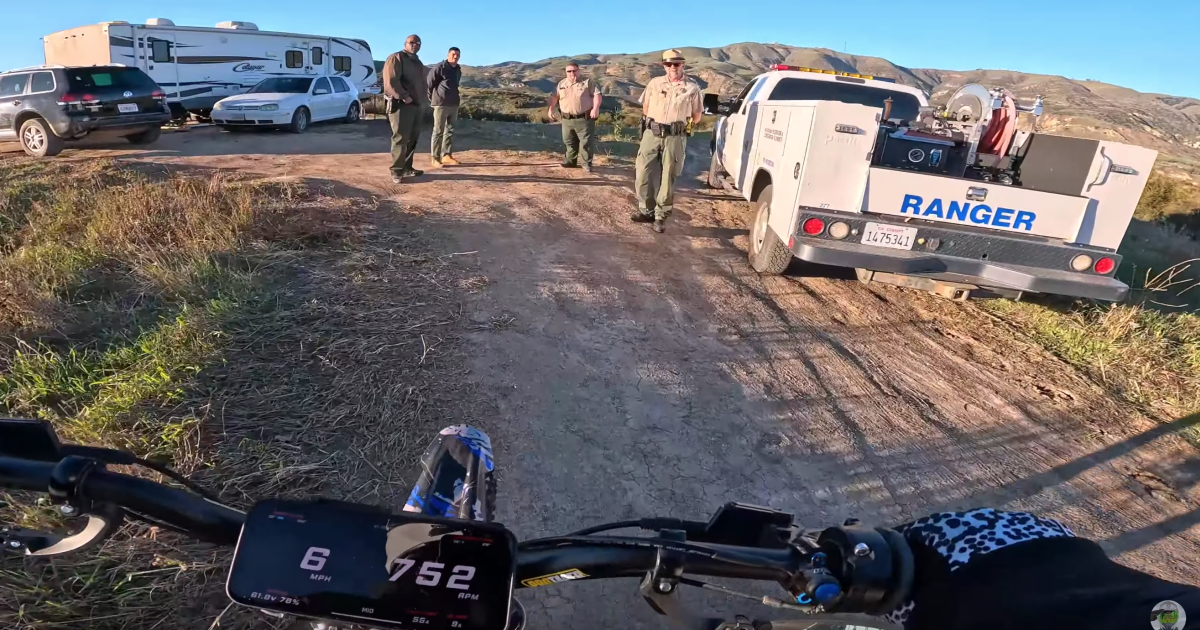
"High-powered electric mopeds and motorcycles have been flooding bike lanes, multi-use paths, and trail systems, often ridden by teenagers without helmets, licenses, or training. California's outdated vehicle code simply hasn't kept pace with how fast this technology has evolved, and manufacturers have been taking full advantage of the vague definitions to market motor vehicles as bicycles."
"Under the bill, any two or three-wheeled vehicle powered by an electric motor under 4 horsepower (3,000 watts) capable of reaching 30 mph would be redefined as a moped-a motor vehicle, not a bicycle. Motor-driven cycles with electric motors up to 3,750 watts fall under the same umbrella. Once classified as motor vehicles, these devices come with the full regulatory package."
"Unlike the recent bill enacted in New Jersey, SB 1167 is far less restrictive and actually addresses the issue at hand without condemning the popularity of e-bikes as an alternative mode of transportation."
PeopleForBikes supports California SB 1167, legislation that establishes clear legal distinctions between legitimate electric bicycles and more powerful e-motos that have exploited regulatory gaps. High-powered electric mopeds and motorcycles have proliferated in California's bike lanes, trails, and paths, often ridden by unlicensed teenagers without proper safety equipment, causing increased crashes and injuries. California's outdated vehicle code fails to keep pace with evolving technology, allowing manufacturers to market motor vehicles as bicycles. SB 1167 modernizes the vehicle code by reclassifying devices based on actual speed and power specifications. Vehicles with electric motors under 4 horsepower capable of reaching 30 mph become classified as mopeds, requiring registration, license plates, and M1 or M2 driver's licenses for operation on public roads.
Read at BikeMag
Unable to calculate read time
Collection
[
|
...
]