Legal distinctions separate low-powered, class-compliant electric bicycles from high-powered e-motos that function and are regulated as motor vehicles. Purchasing a high-powered vehicle marketed as an e-bike can trigger traffic stops, citations, and criminal or civil penalties if the vehicle requires registration or a motorcycle endorsement. Insurance policies may be voided when a vehicle is mischaracterized, leaving families financially exposed after crashes. Young riders face amplified safety hazards on high-powered machines. Consumer awareness, correct labeling, and enforcement of state vehicle statutes determine legal and safety outcomes for riders and families.
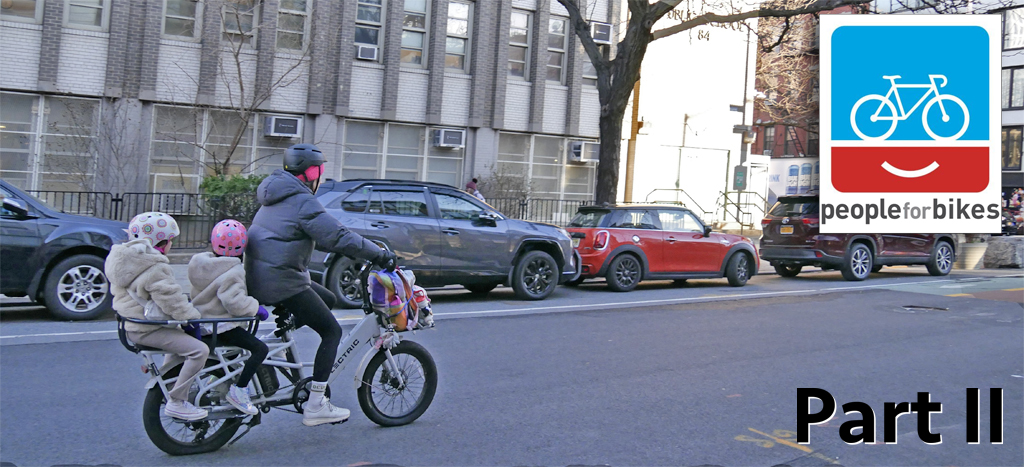
"Electric bicycles are under increasing scrutiny, often for the wrong reasons. In this three-part series, PeopleForBikes separates fact from fiction to protect the future of e-bikes in America, clarify what qualifies as a legal electric bicycle, and call out bad actors mislabeling high-powered motor vehicles as "e-bikes." This is Part II. To read the Part I, click here. Previously, we explored the critical differences between legal electric bicycles and high-powered e-motos."
"But what if you already bought one? Maybe for yourself, maybe for your child? You're riding it around the neighborhood or to school. What's the harm if it looks like a bike, right? Unfortunately, so much can go wrong. In this second installment of our series, we examine the legal, financial, and safety risks that e-moto riders and their families face every day. From voided insurance claims to fines and injuries, the implications are serious."
Read at Streetsblog
Unable to calculate read time
Collection
[
|
...
]