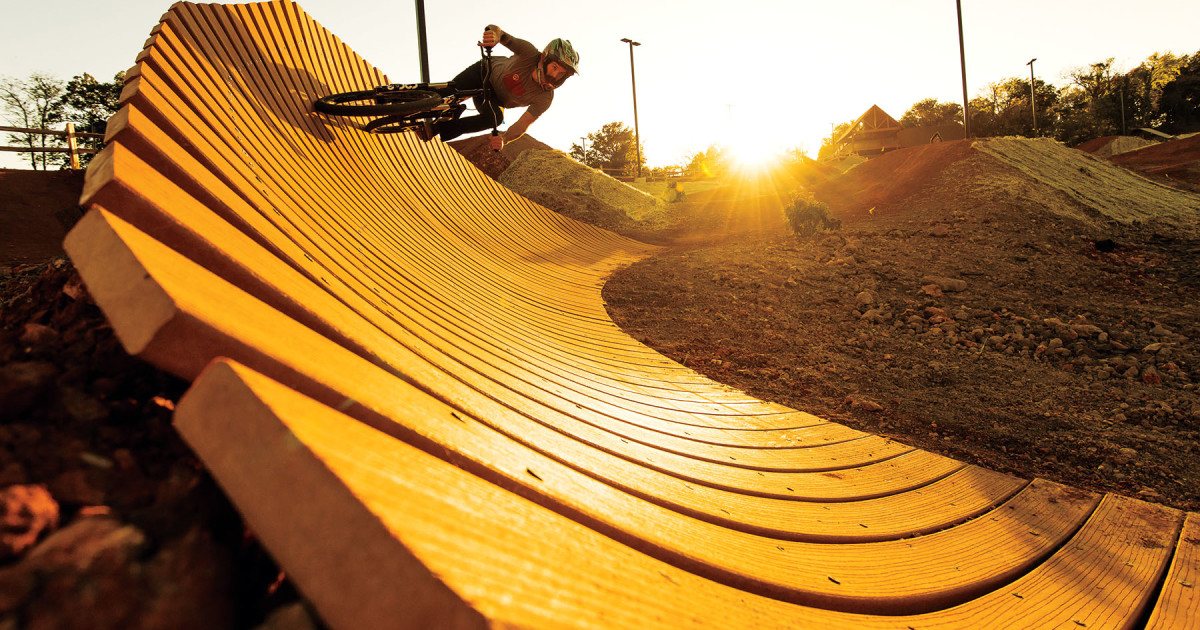
"Over the past decade, bike parks have become one of the sport's clearest success stories. Traditional lift-access destinations have helped define what modern progression looks like, and that model has trickled down around the globe. Shuttle parks, pay-to-ride (or park) trail networks, jump parks, and pump tracks-if it's contained, controllable, and easy to permit, it's probably getting built. From a riding perspective, it's hard to argue with the appeal; bike parks work."
"From a management perspective, they make even more sense. Liability is clearer, user conflict is minimal, maintenance is predictable, and approval timelines are often far shorter than anything involving public land. But while bike parks keep breaking ground, public trail access still feels stuck in neutral. Anyone who's been involved in trail advocacy knows the reality. New trails on public land can take years-sometimes decades-to materialize. Volunteer groups do most of the work. Land managers are underfunded and overextended."
"Closures, restrictions, and stagnation remain common, even as rider numbers continue to climb and bikes become more capable than ever. Frankly, the origin of mountain biking itself seems a bit lost in the modern era, as the sport increasingly evolves away from the mountains. The result is a quiet shift in how and where people ride that will inevitably effect the future of the sport."
Bike parks have expanded globally, offering lift-access, shuttle, pay-to-ride, jump parks, and pump tracks that efficiently introduce riders and accelerate progression. Bike parks are fun, efficient, and lower management complexity with clearer liability, minimal user conflict, predictable maintenance, and faster approval versus public land projects. Public trails on public land remain slow to develop due to lengthy approval processes, reliance on volunteers, and underfunded land managers. Closures and restrictions persist even as rider numbers grow and bikes improve. High costs for traditional bike parks raise entry barriers. Sustaining mountain biking requires investing in both accessible public trails and controlled bike-park development.
Read at BikeMag
Unable to calculate read time
Collection
[
|
...
]