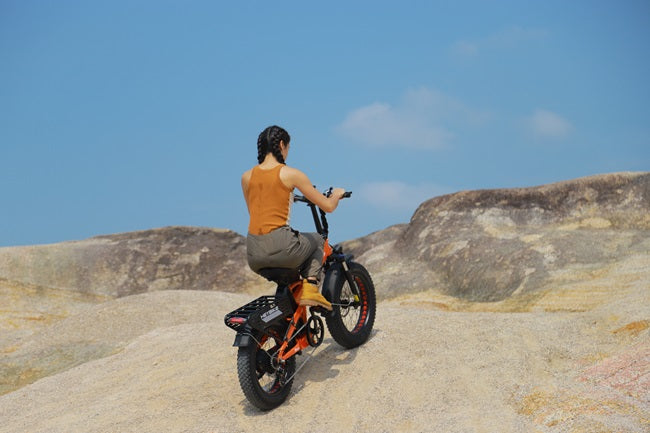
"Most mountain bikes fall into two categories: hardtail (front suspension only) and full suspension (front and rear suspension). Hardtails are typically lighter, simpler to maintain, and often cost less-making them a popular starting point. Full-suspension bikes add comfort and control on rough trails but usually cost more and require more maintenance."
"Mountain biking is a fun way to build fitness, explore new terrain, and learn a skill you can improve for years. For first-time riders, the trail can feel unpredictable-rocks, roots, loose gravel, and sudden turns are very different from riding on pavement."
"A properly sized bike helps you keep balance on uneven ground and reduces fatigue over longer rides. Mountain bike frame sizing varies by brand, so use the manufacturer's size chart and focus on a stable, comfortable fit."
Mountain biking offers fitness benefits, terrain exploration, and skill development, but presents challenges like rocks, roots, and unpredictable surfaces for beginners. Success starts with selecting appropriate equipment: hardtail bikes suit smoother trails and cost less, while full-suspension bikes provide comfort on rough terrain but require more maintenance. Proper frame sizing ensures balance and comfort on uneven ground. Wheel size selection between 27.5 and 29 inches depends on riding style. Essential safety gear and beginner riding techniques prevent crashes. Starting with easy, repeatable trails builds confidence. These fundamentals apply equally to electric mountain bikes, which offer additional range and climbing support.
Read at Heybike
Unable to calculate read time
Collection
[
|
...
]