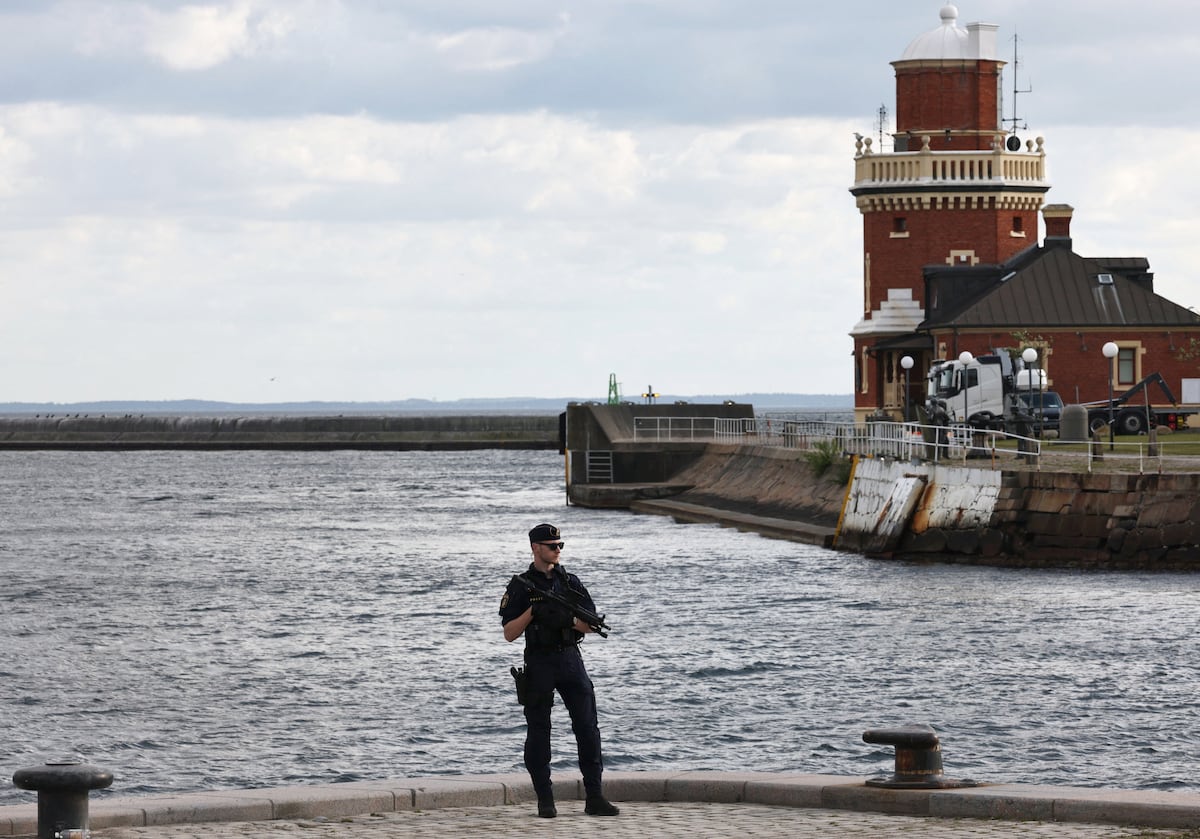
Ferries, trucks, cars, and cyclists move through the Helsingborg–Helsingr crossing with routine efficiency across a narrow strait only 2.5 miles wide. The Resund Strait, also called the Sound, is one of three gateways from the Baltic Sea to the Atlantic Ocean, alongside Denmark’s Great Belt and Little Belt. Because every vessel entering or leaving the Baltic must pass through this corridor, it carries cargo, energy, oil, data cables, and military traffic. Historically, controlling the strait brought power and wealth to Denmark through maritime tolls for centuries. After post–Cold War integration reduced its perceived importance, the strait’s strategic value has returned amid renewed Russia–NATO tensions and maritime hybrid warfare.
"Everything operates with an almost choreographed efficiency. Ferries maneuver slowly; refrigerated trucks wait their turn to board alongside cars, cyclists, and workers who cross the resund Strait as if taking a commuter train. After all, only 2.5 miles separate Swedish Helsingborg (population 114,000) from Danish Helsingr. From the waterfront, under the oblique light of northern Europe that lengthens the evenings over the water, the strait is so narrow it is hard to see it as a strategic border."
"But that maritime line, which looks ordinary on maps, is today one of the flashpoints between Russia and NATO. It is the setting of a gray, hybrid war of maritime sabotage and ghost ships. The resund Strait, also known as the Sound, is one of three gateways from the Baltic Sea to the Atlantic Ocean, along with Denmark's Great Belt and Little Belt. That means every vessel entering or leaving the Baltic cargo, energy, oil, data cables, or military passes through this corridor."
"For centuries, controlling resund meant controlling access to the Baltic, says Per Svensson, 62. Tanned from his morning walks, he downs a black coffee in a cafe near the Helsingborg ferry terminal as he recounts working for two decades on the port's ships. Now he likes to sit and watch the ferries and freighters coming and going and read about the region's history. These waters have always been ordinary to us, not a border. Now everything seems to have changed, he says, pensive."
"Historically, these straits were a source of power and wealth for Denmark, which for four centuries collected maritime tolls. In postCold War Europe, that geostrategic significance faded somewhat under decades of Nordic integration, short ferry crossings, and weekend tourism. There are no tolls today. But the strait's old strategic importance has returned forcefully amid Russian e"
Read at english.elpais.com
Unable to calculate read time
Collection
[
|
...
]