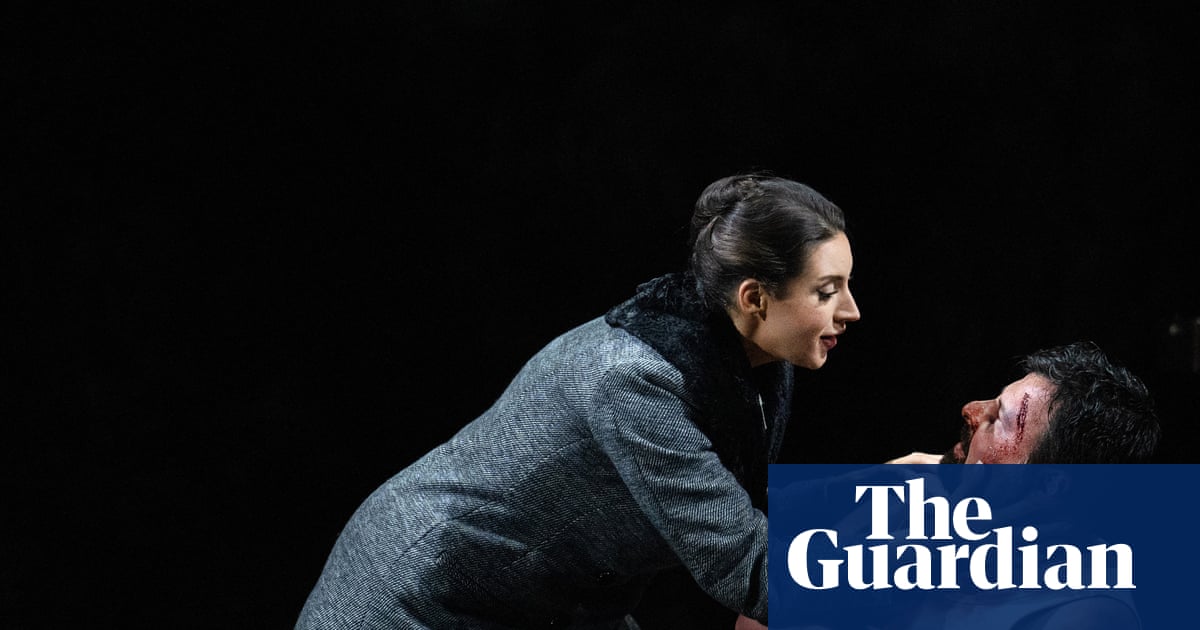
Tosca premiered in January 1900 and faced strong early resistance, including publisher doubts, critical complaints, and dismissals from prominent figures. Gustav Mahler rejected it as papal pageantry with continual chiming of bells. Critics argued that the work sounded like noise and would be forgotten, while others later called it tawdry or shabby. The opera’s distinctive approach integrated real-world sounds such as bells, screams, cannonfire, and religious chant directly into the score. This created an immersive soundscape that some contemporaries viewed as inappropriate for operatic art. Despite that suspicion, Tosca became one of the most bankable operas and remains widely performed.
"This is where Tosca parts ways with classical music's other initially reviled treasures: the opera is still treated with suspicion. In the 1950s, leading US musicologist Joseph Kerman dismissed Tosca as a shabby little shocker. More recently, in 2010 the eminent opera critic Rupert Christiansen described it as a tawdry but irresistible melodrama. Put bluntly, Tosca's most intractable problem in certain quarters is its popularity: that ov"
Read at www.theguardian.com
Unable to calculate read time
Collection
[
|
...
]