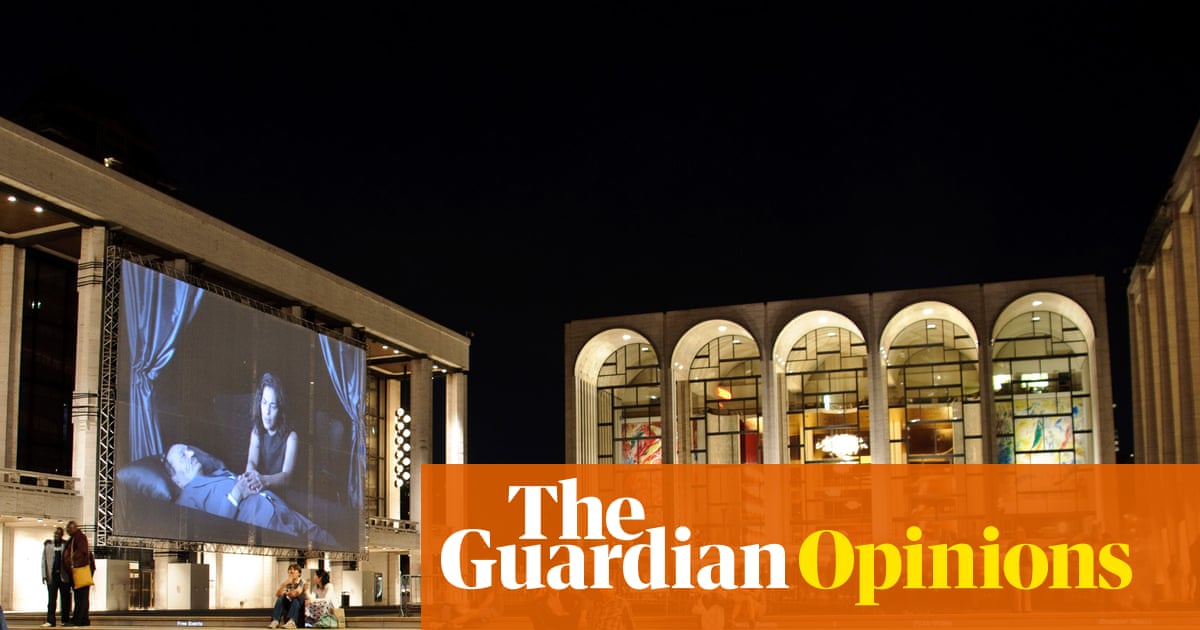
Producing opera involves extensive collaboration among various professionals, including set builders, musicians, and costume makers, necessitating substantial financial backing. Funding sources range from government support to private donations, often raising ethical concerns. The Royal Opera House and the Metropolitan Opera exemplify the struggle to balance financial needs with the implications of donor backgrounds. Baumol's cost disease illustrates the inefficiency in the arts, as the number of performers required for productions has remained constant over time, leading to increased operational costs without improved efficiency.
"Opera production is a complex endeavor that requires a vast array of professionals, from set builders to wig-makers, all of whom contribute to the final performance. This complexity necessitates significant financial resources, often sourced from government funding, corporate donations, or wealthy individuals. However, the ethical implications of these funding sources can complicate the financial landscape for opera houses."
"The concept of Baumol's cost disease highlights a critical issue in the arts: the services provided by opera companies cannot become more efficient over time. For instance, a string quartet still requires four musicians today, just as it did in the 1800s. This inefficiency translates to higher costs for opera productions, which still demand large casts and elaborate sets."
Read at www.theguardian.com
Unable to calculate read time
Collection
[
|
...
]