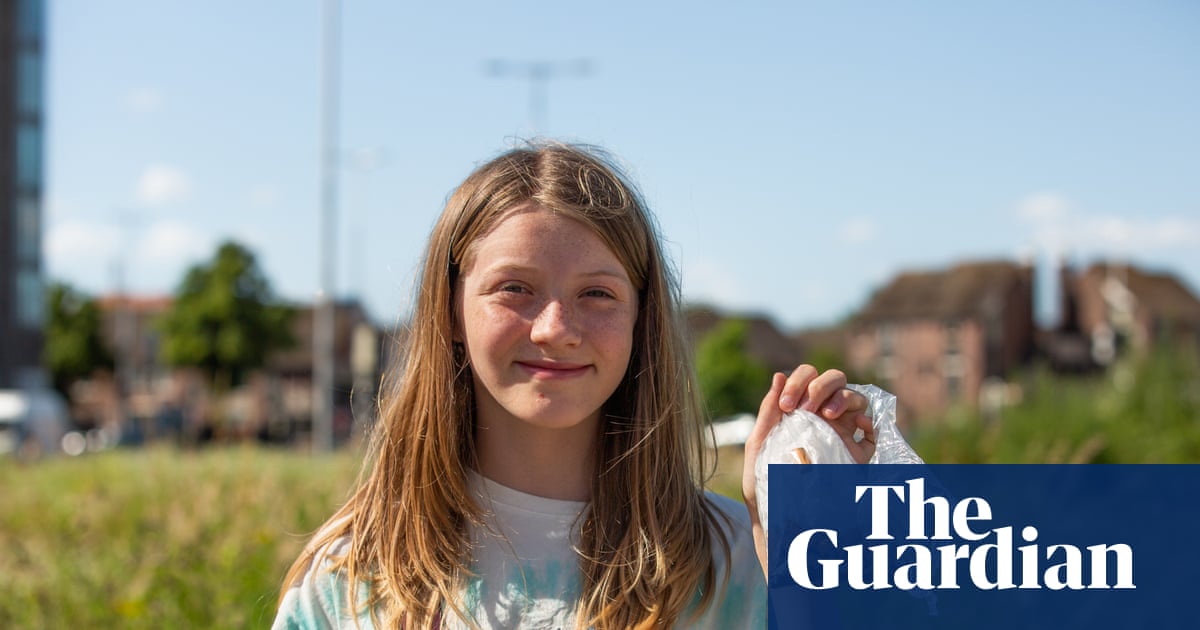
A food truck at Dutch festivals offers poffertjes and other items in exchange for cigarette butts and some plastic waste. The WasteBar uses slogans and a payment sign to encourage people to think about litter. Cigarette butts are described as the most common plastic waste worldwide, with billions produced annually and hundreds of millions in the Netherlands. The butts contain plastic, heavy metals, and toxic substances that are difficult to remove from the environment. Municipalities spend millions each year cleaning them up. The truck operates at festivals, children’s events, and business gatherings, while events like No Butts Day mobilize thousands of participants. The concept originated in Goa, India, and was brought to the Netherlands after the founder returned.
"Using cigarette butts to buy buttery Dutch pancakes? That is the deal one food truck is offering at festivals in the Netherlands as a way to get people thinking about litter. Cigarette butts are the most common form of plastic waste in the world, with more than 4.5tn butts produced every year. In the Netherlands the estimated figure is in the hundreds of millions."
"To tackle the problem, one company is accepting them as payment for a plate of poffertjes small Dutch pancakes usually eaten with mountains of butter and sugar. At the Het Vrije Westen liberation festival in Amsterdam's Westerpark this month, the WasteBar yellow truck was adorned with catchy slogans such as don't waste waste!. An adjacent sign read: Betaal hier met zwerfafval (pay here with litter)."
"At the WasteBar, butts are bucks. Poffertjes can be bought for 20 cigarettes, drinks are 10, and fruits and candies are 15. It also accepts plastic: 15 pieces for a poffertje. The WasteBar pops up at festivals, children's events and business gatherings in the Netherlands"
"Cigarette butts contain plastic, heavy metals and other toxic substances, and they can be incredibly difficult to remove from the environment. Dutch municipalities spend a reported 36m (31m) each year on cleaning them up. The problem has become so prevalent that on the first Saturday of July, thousands of people participate in No Butts Day, an annual event that began in the Netherlands but has grown internationally."
Read at www.theguardian.com
Unable to calculate read time
Collection
[
|
...
]