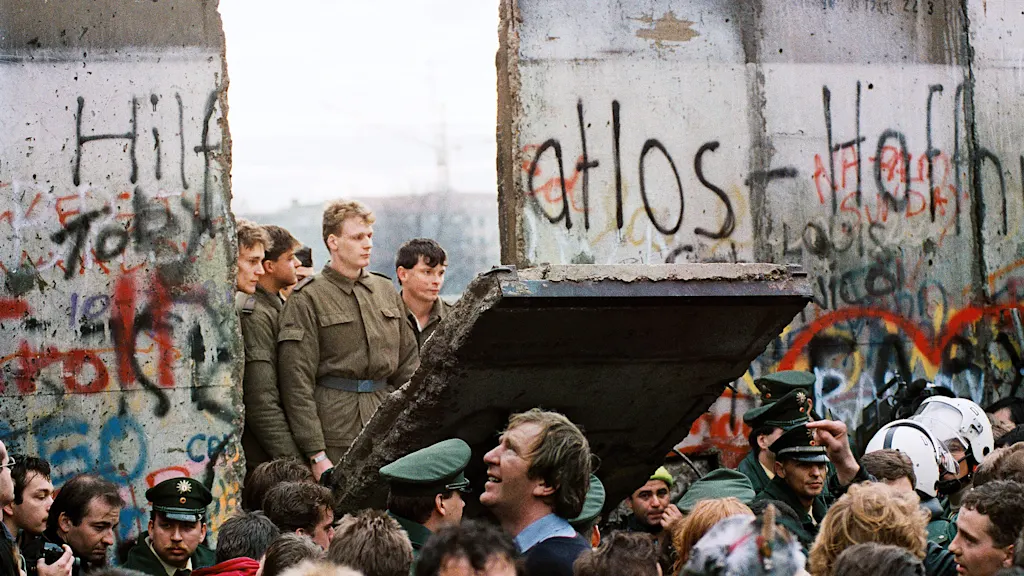
"The Cold War lasted 45 agonizing years. Daily life in the Soviet Union was a mixture of dread and horror-children taught to report their parents' whispered doubts, families queuing for hours for bread, dissidents vanishing in the night. November 8, 1989, was just another day of knowing World War III might pop off at any time. But on November 9, 1989, the Berlin Wall came down. No tanks. No gun battles. No sabotage. Just a peaceful, surreal collapse."
"The empire fell both slowly and suddenly. Gen Xers and boomers remember the disorienting feeling of watching the impossible happen on evening news broadcasts. With the benefit of hindsight and declassified records now available, we know life under Soviet rule was far worse than Cold War movies or propaganda posters ever revealed. Millions suffered in silence, unable to ask for help because everyone was incentivized to spy on their neighbors."
Life under Soviet rule combined constant fear, scarcity, and pervasive surveillance that silenced millions and incentivized neighborly spying. The Berlin Wall’s sudden, peaceful collapse on November 9, 1989 transformed dread into spontaneous joy as East and West Berliners celebrated, demolished the barrier, and shared music and graffiti. Declassified records reveal everyday deprivation and disappearances that Cold War imagery obscured. The historical example shows that entrenched, oppressive systems can unravel quickly and nonviolently, offering hope that seemingly hopeless circumstances can change. Urban reformers confronting resistant infrastructure and regulations can draw courage from rapid, unexpected societal transformations.
Read at Fast Company
Unable to calculate read time
Collection
[
|
...
]