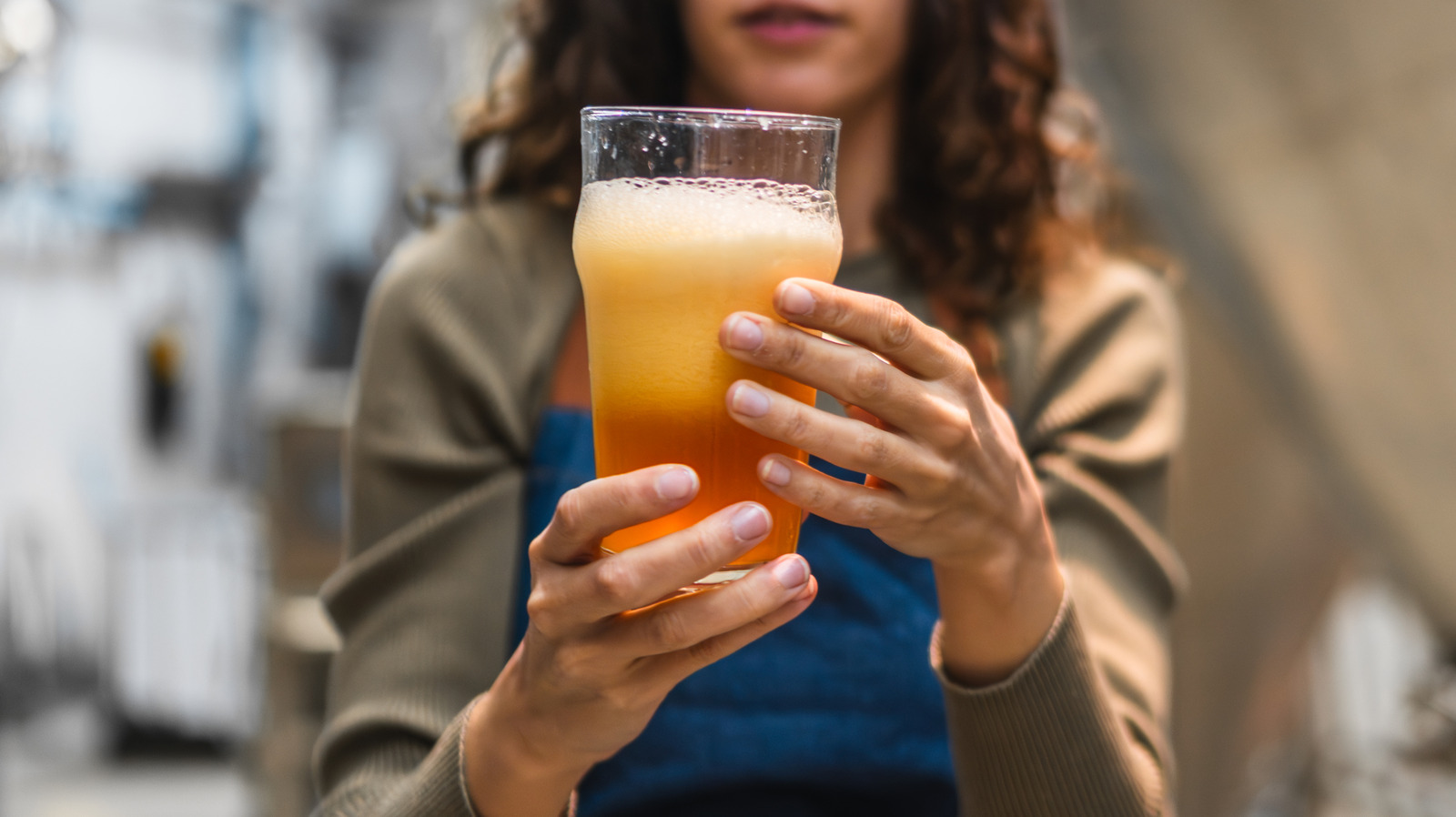
"Weekend warriors tinker with hop blends, experiment with fermentation techniques, and proudly serve their latest batch to rave reviews from their friends and family. If, let's say, you've such a talent for it that neighbors are phoning in asking if they can buy a gallon or two for their fridges, and you're seriously thinking of turning your hobby into a business - you'll need a brewer's license."
"Basically, if you own any stake in a bar, restaurant, or liquor store - even a teeny-tiny stake in one - you're barred from getting a brewer's license. Not just in New York, but anywhere. Own a slice of a tapas bar in Manhattan? Can't brew. Have equity in a wine shop in Brooklyn? Same problem. It doesn't even matter if your bar serves completely different drinks than what you'd produce."
Homebrewing is a widespread hobby that can lead hobbyists to consider commercial brewing and obtaining a brewer's license. Tied-house laws bar anyone with ownership in a bar, restaurant, or liquor store from receiving a brewer's license, regardless of the size of the stake or whether the retail outlet sells different drinks. The rule prevents manufacturers from simultaneously holding retail interests. The restriction traces to late 19th and early 20th century practices in which brewers owned tied pubs, used financial leverage to force exclusive product sales, and concentrated market power through chains of bars.
Read at Tasting Table
Unable to calculate read time
Collection
[
|
...
]