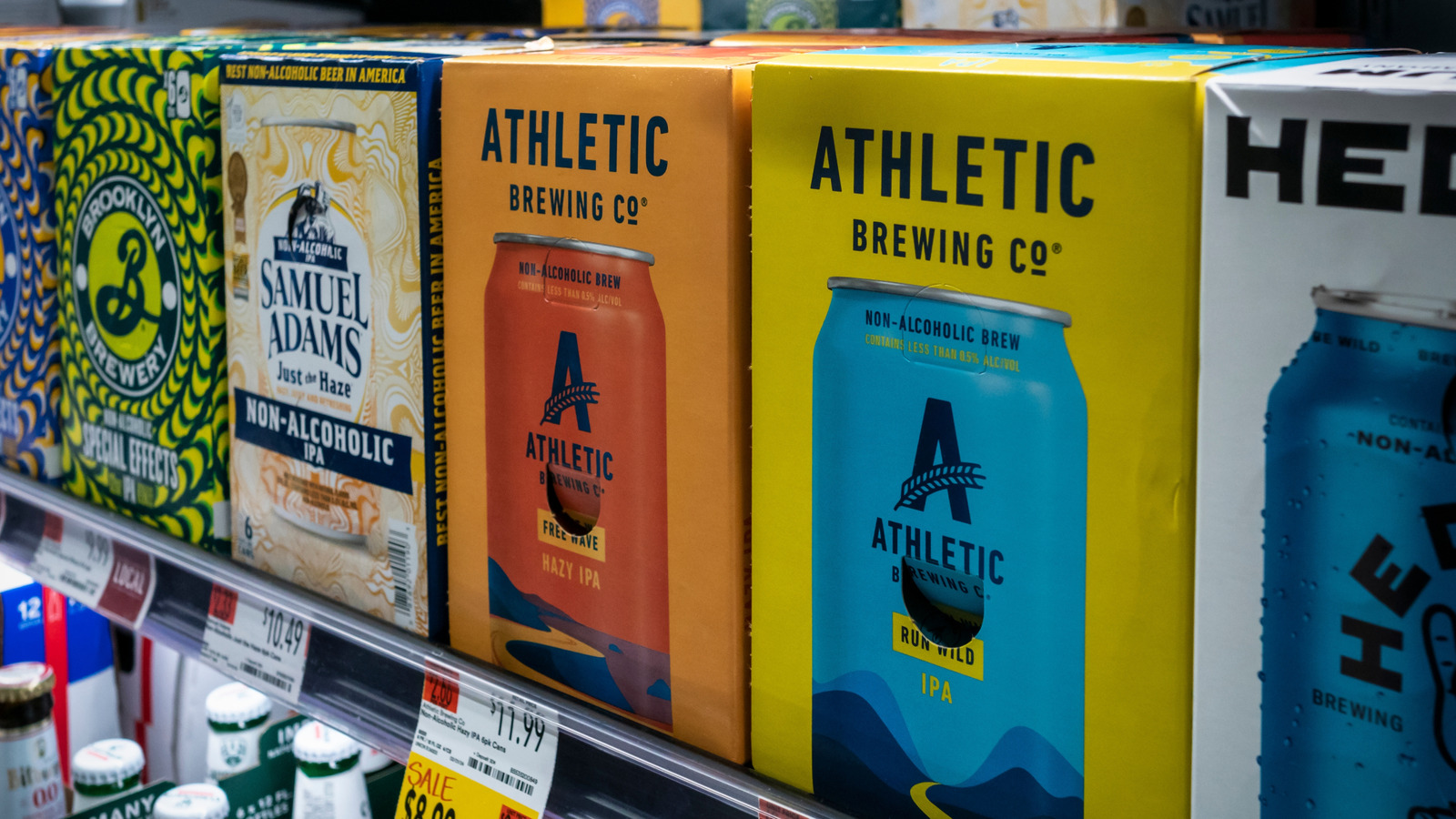
"Nonalcoholic beer is unique from even low-alcohol beer because even a little bit of alcohol goes a long way in terms of preservation. Nonalcoholic beer is made with controlled fermentation or dealcoholization. This means that brewers use modified yeast that doesn't produce alcohol, or they brew beer with alcohol then remove it."
"Without alcohol, the finished beer is more susceptible to bacteria and even pathogens. Most producers, therefore, pasteurize it, employing heat to kill any microbes in the beer. If it's unpasteurized, it'll likely only last around three months; if pasteurized, that number goes up to six."
"Nonalcoholic beer lasts about three to six months from when it's packaged if it's refrigerated. However, the optimal freshness window for nonalcoholic beer can vary based on whether it's pasteurized."
Nonalcoholic beer represents a growing category that expands beer's inclusivity for all consumers. Unlike alcoholic beer, nonalcoholic varieties have shorter shelf lives because alcohol naturally preserves beer. Brewers create nonalcoholic beer through controlled fermentation with modified yeast or by removing alcohol after brewing. Without alcohol's preservative properties, nonalcoholic beer becomes more susceptible to bacteria and pathogens. Most producers pasteurize their nonalcoholic beer using heat to eliminate microbes, extending shelf life to six months when refrigerated. Unpasteurized nonalcoholic beer lasts approximately three months. Packaging typically displays a "born on" date rather than an expiration date, making it essential for consumers to understand these timeframes when purchasing.
#nonalcoholic-beer-shelf-life #beer-preservation-and-pasteurization #beverage-storage-guidelines #craft-beer-freshness
Read at Tasting Table
Unable to calculate read time
Collection
[
|
...
]