"The traditional museum experience, pausing in front of an object, and absorbing its history visually or by reading its description, has long shaped how collectors and others relate to cultural treasures. Yet, over the last few decades, digital technology has quietly rewritten many of those rules, changing not only how collections are exhibited but also how they are documented, preserved, and even inherited."
"A virtual museum is a digital space that borrows the core functions of a physical museum, organizing, presenting, and interpreting objects, but relocating them to a screen. Instead of rooms and display cases, it relies on web pages, images, video, and sometimes immersive 3D environments to structure the observer's experience. Some of these projects are housed at current institutions, while others exist only online and have no physical galleries."
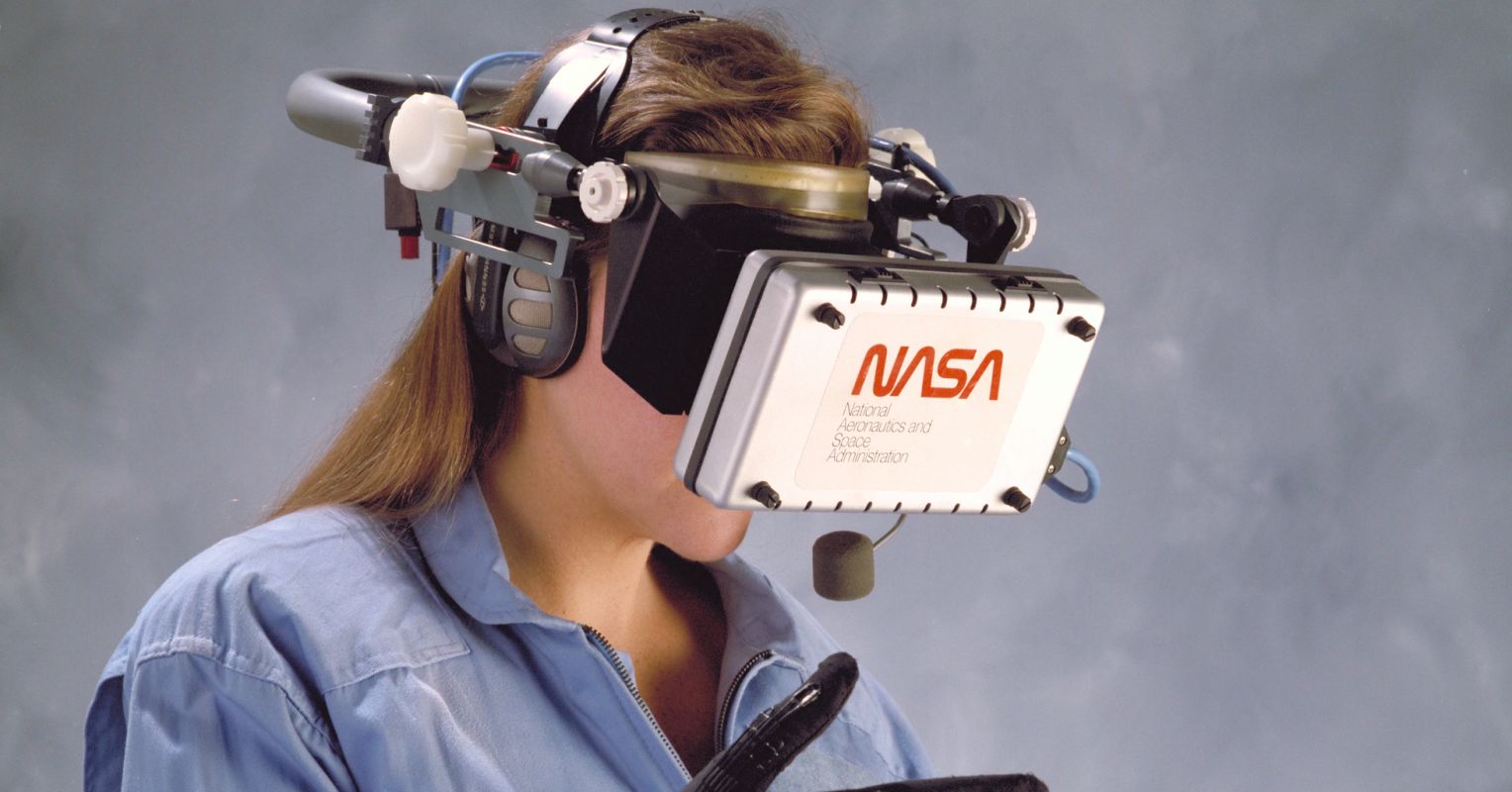
"The range of formats is broad. At one end are simple online collection pages that resemble illustrated catalogs, offering photographs, basic descriptions, and sometimes short essays. At the other end are more ambitious virtual environments where visitors can "walk" through digital galleries, rotate objects in three dimensions, or zoom so closely that surface details become visible in a way they never could in a traditional museum. The Kremer Collection falls into this latter category, presenting Dutch and Flemish paintings exclusively through virtual reality headset"
Virtual museums relocate the core functions of physical museums to digital platforms, organizing, presenting, and interpreting objects via web pages, images, video, and immersive 3D environments. Formats range from illustrated online catalogs with photographs and descriptions to fully immersive virtual galleries that allow visitors to rotate objects and zoom into surface details. Digital surrogates expand audience reach beyond what a brick-and-mortar gallery allows and reduce exposure of originals to hazards and long-term damage. Some virtual projects are extensions of existing institutions, while others exist solely online. The Kremer Collection exemplifies immersive presentation by offering Dutch and Flemish paintings through virtual reality.
Read at Psychology Today
Unable to calculate read time
Collection
[
|
...
]