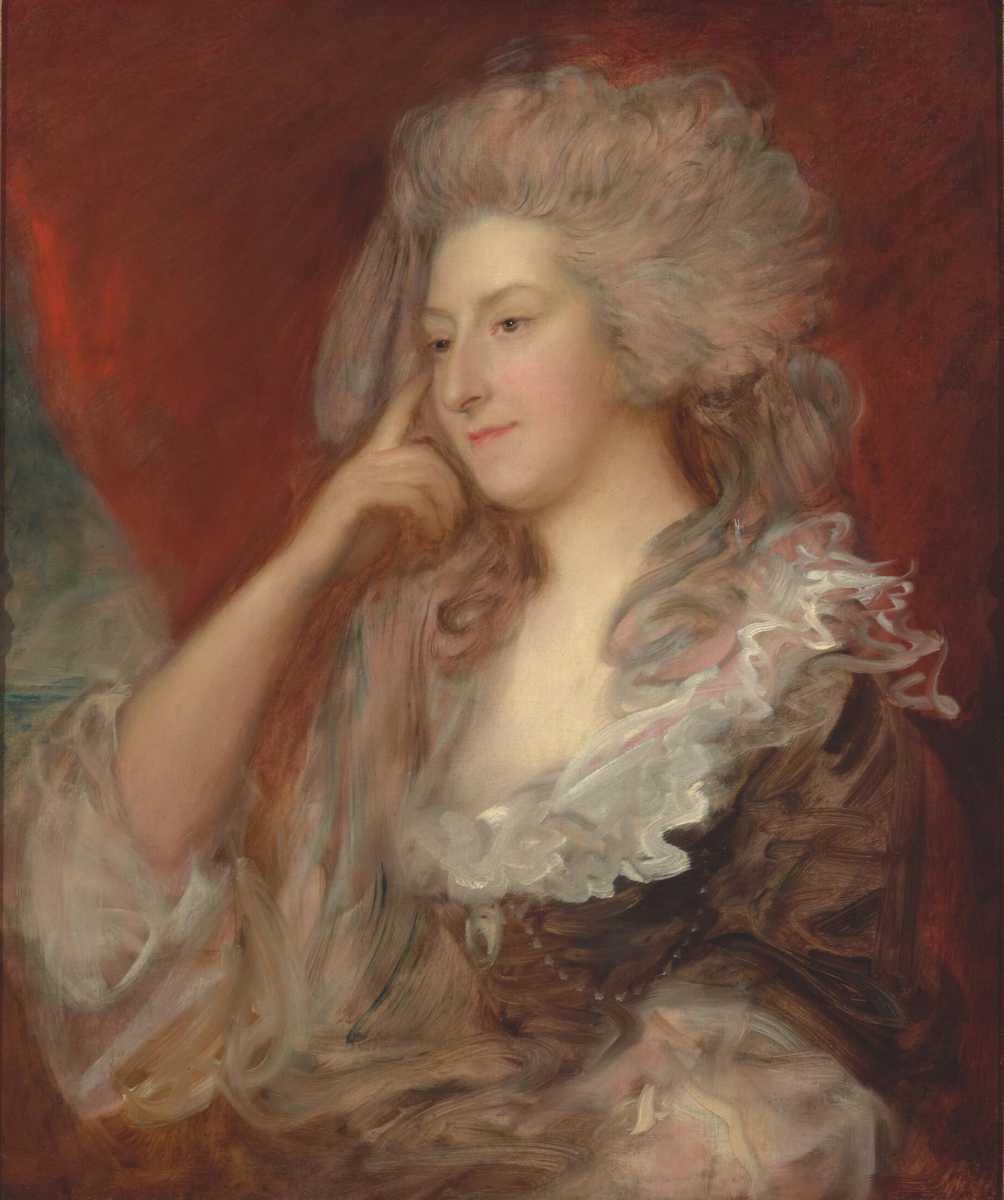
"Power, in the eighteenth century, was never subtle it was staged, dressed, and painted into permanence. At The Frick Collection, Gainsborough: The Fashion of Portraiture restores that truth with operatic force, placing Thomas Gainsborough back into the charged social theater that produced him. It was a world where lineage behaved like law, clothing operated as rhetoric, and a painted likeness could secure a family's place in cultural memory longer than any title deed."
"Gainsborough understood this machinery intimately, even as he complicated it personally marrying for love rather than rank, choosing Margaret Burr, widely believed to have been the illegitimate daughter of a nobleman, in quiet defiance of the very pedigree logic his patrons worshipped. The painter of aristocratic image did not fully submit to aristocratic rules, and that paradox gives the work an added voltage. What makes these paintings astonishing is not merely who is depicted, but how."
An exhibition at The Frick Collection centers Thomas Gainsborough's portraiture within Georgian Britain's performative hierarchy of power and fashion. Portraits functioned as deliberate social strategy: lineage operated like law, clothing acted as rhetorical statement, and a single canvas could stabilize reputation, advertise virtue, and transmit wealth across generations. Gainsborough navigated that system while defying it privately, marrying Margaret Burr despite class strictures. His brushwork renders fabric as animated language—satin that turns and exhales, lace formed by broken highlights, velvet that swallows shadow—so surface, pose, and costume together construct aristocratic image while revealing the painter's subtle resistance.
Read at www.amny.com
Unable to calculate read time
Collection
[
|
...
]