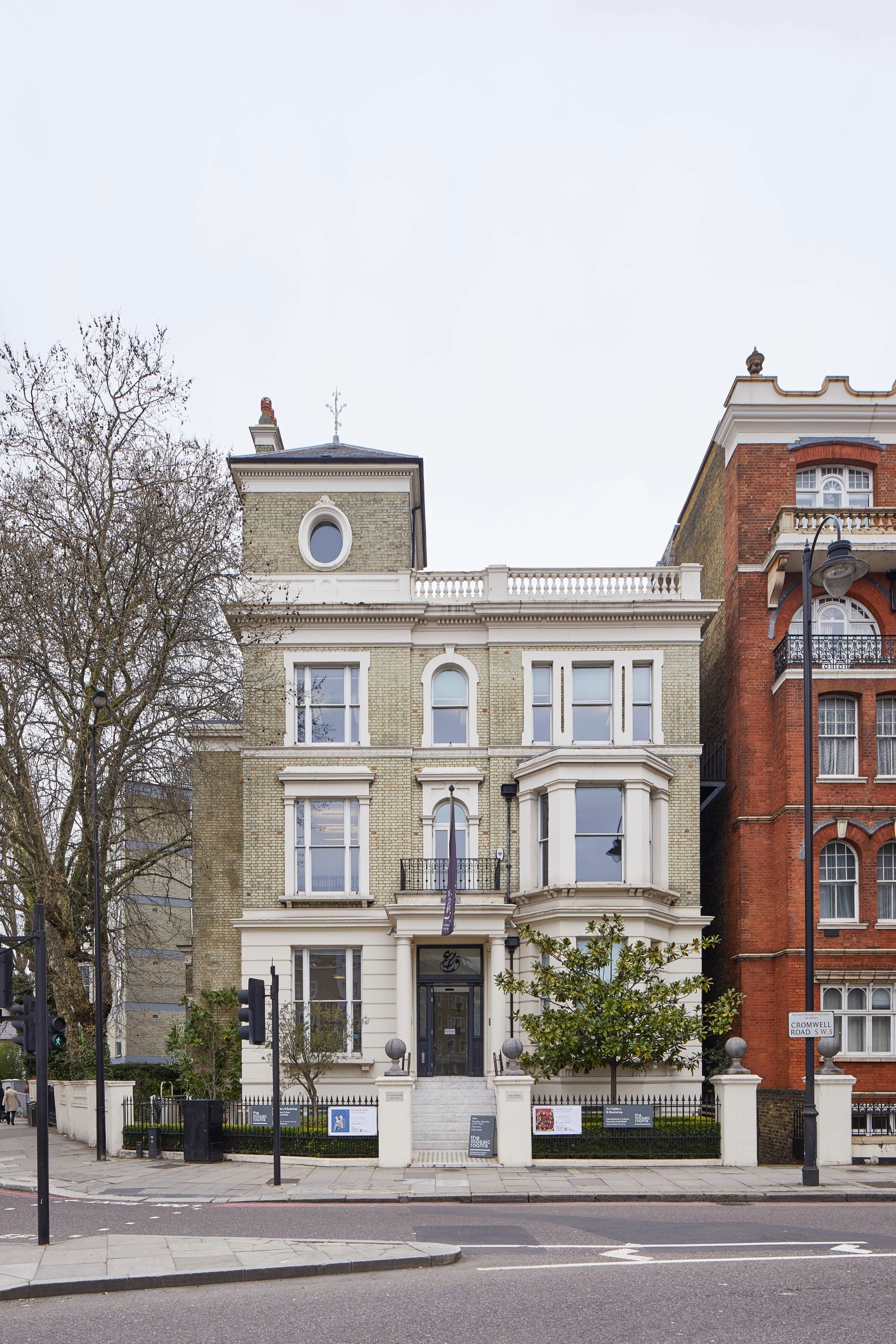
"When the Mosaic Rooms reopens on February 18, the space will boast a new entry hall, refreshed galleries and an upgraded bookshop. So what exhibitions can we look forward to post-refresh? Walking through the garden into Mosaic Rooms' new entry hall, you'll be immersed into 'Four Moons From Home', a permanent site-specific work by Palestinian architect, visual artist and academic Dima Srouji. Expect immense stained-glass windows carved in Jerusalem stone by artisans in Bethlehem."
"Film fans can also revel in the gallery's next phase, which will host the UK's first ever public solo exhibition by artist Bouchra Khalili. Titled 'Circles and Storytelling', its three films dig into the legacy of 1970s activist collective the Movement of Arab Workers and its theatre groups, led by undocumented workers advocating for social justice and the freedom of artistic expression."
"Since Earl's Court's Mosaic Rooms closed at the end of 2024, London has been without one of its finest specialised art museums. The gallery, which celebrates Arabic culture from Morocco to Syria, shut for a major refurb. But as of February, London's Arabic art devotees will be able to breathe a sigh of relief. The non-profit space has announced a date for its reopening. Even better, its refurb is looking very swish indeed."
Mosaic Rooms in Earl's Court closed at the end of 2024 for a major refurbishment and will reopen on February 18. The renovated venue features a new entry hall, refreshed galleries and an upgraded bookshop alongside a permanent site-specific work 'Four Moons From Home' by Dima Srouji with stained-glass windows carved in Jerusalem stone. The upgrade adds a Play Room for creative learning, The Salon for screenings and gatherings, and a transformed tower for experimental broadcasts. The reopening programme includes the UK's first public solo exhibition by Bouchra Khalili, exploring 1970s activist theatre and undocumented workers' struggles, and reasserts the space's role as a hub for Arabic art in London since 2008.
Read at Time Out London
Unable to calculate read time
Collection
[
|
...
]