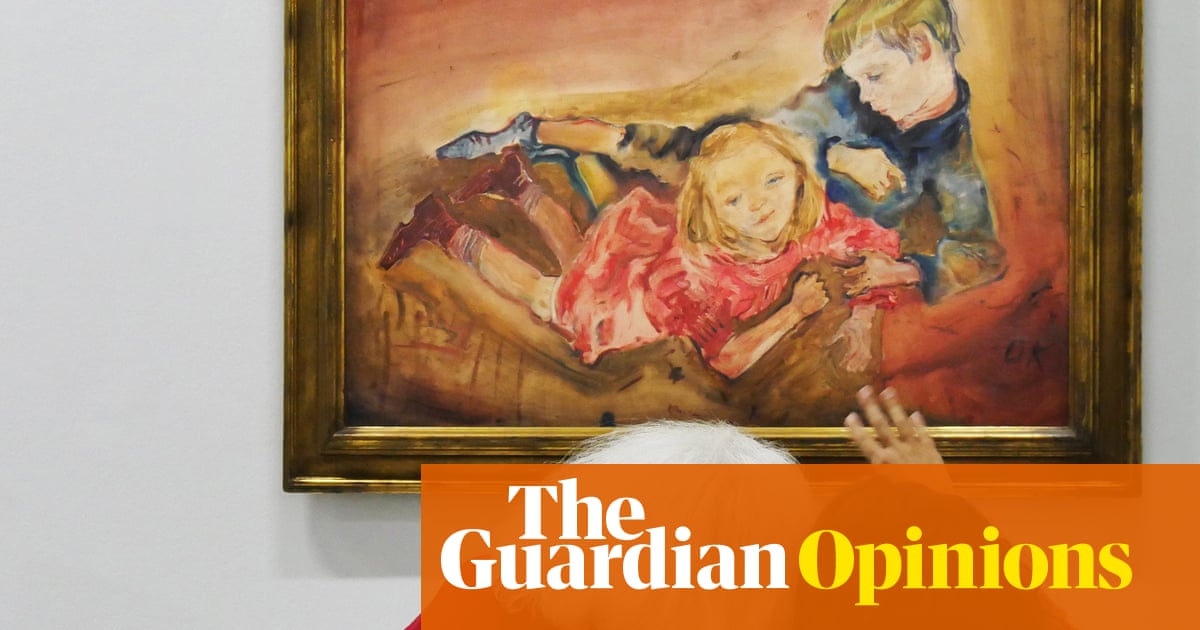
"The study, from a group of scientists at University College London, working with blood samples and survey data from the UK Household Longitudinal Study, showed that people who participated regularly in the arts aged more slowly than those who did not. The benefits were found both among people who attended concerts or exhibitions and among those who sang in choirs or painted pictures themselves. Those who undertook an arts activity at least weekly were, on average, a year younger biologically than those who did so rarely."
"The effects were more pronounced in middle-aged and older adults, and in those who were involved in more than one type of activity. The tools used, known as epigenetic clocks, are relatively new and have some controversy attached to them. Questions about correlation versus causation can be asked about the ageing-related changes to DNA and other molecules that they measure, and also about the relationship between these biological markers and behaviour."
"It might not be that going to galleries makes you age more slowly, but that people who are ageing more slowly for other reasons go to galleries more often. The researchers' call for the arts to be included in public health strategies is a bold one. Leisure facilities such as libraries and museums are widely viewed as contributing to the collective wellbeing of communities."
"But when health policy refers to lifestyle, it usually means more straightforwardly physical habits: diet, exercise, alcohol, smoking. Does this study point"
People who engage regularly in arts activities show slower biological aging than people who do not. Findings come from analyses using blood samples and survey data from the UK Household Longitudinal Study. Arts participation includes attending concerts or exhibitions and also doing activities such as singing in choirs or painting. Those who undertook an arts activity at least weekly were, on average, about a year younger biologically than those who did so rarely. Effects were stronger in middle-aged and older adults and in people involved in more than one type of activity. Epigenetic clocks measure ageing-related changes in DNA and molecules, but questions remain about correlation versus causation and whether biology drives arts participation. The results support calls to include arts in public health strategies alongside lifestyle factors.
Read at www.theguardian.com
Unable to calculate read time
Collection
[
|
...
]