"It's interesting to see how it's been used as this kind of case study of a play, versus us doing it now,"
"We have a story to actually tell, not just analyze, and it's a very different experience."
"I think the idea of surprising audiences with the deception and the reveal is not as compelling anymore. What is more compelling to us, and hopefully to our audiences, are the ideas around hope and love and what happens when our bodies are policed by other people, when our identities are weaponized against us."
"It feels like a bit of a challenge, but also an exciting opportunity. When I played Joe Pitt, it was like, 'Oh, I think that peo"
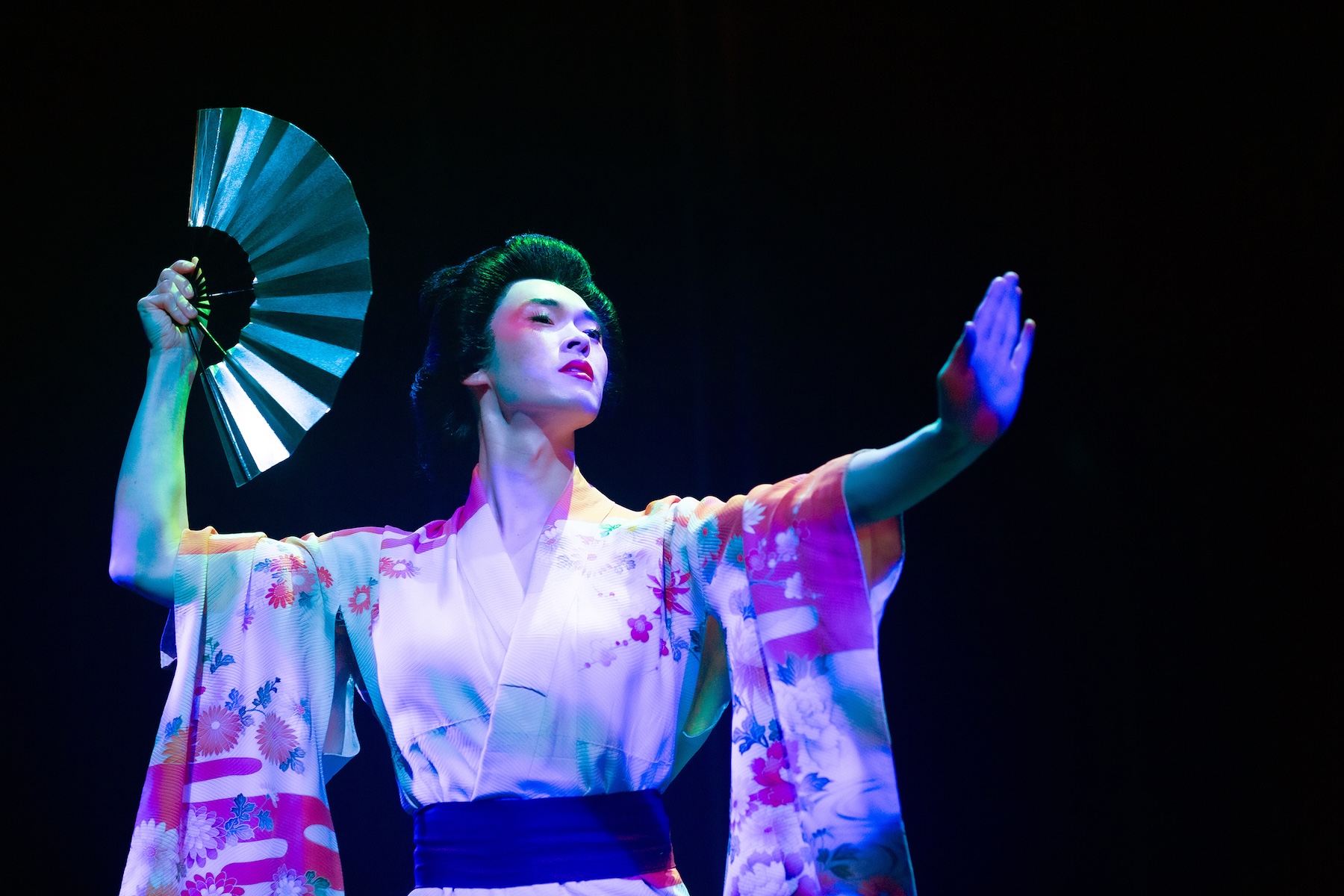
Giacomo Puccini's Madame Butterfly premiered in Milan in 1904 and David Henry Hwang reimagined it in 1988 as M. Butterfly, recasting the plot around a French diplomat's two-decade affair with a Chinese opera singer. The San Francisco Playhouse production runs through March 14, with Edrick Young portraying Song Liling. Many cast members first encountered the work in critical race or queer studies, while Young discovered it at Stanford through the Asian American Theater Project. The production intentionally shifts emphasis from the shock of Song's gender reveal toward themes of hope, love, policing of bodies, and the weaponization of identities.
Read at 48 hills
Unable to calculate read time
Collection
[
|
...
]