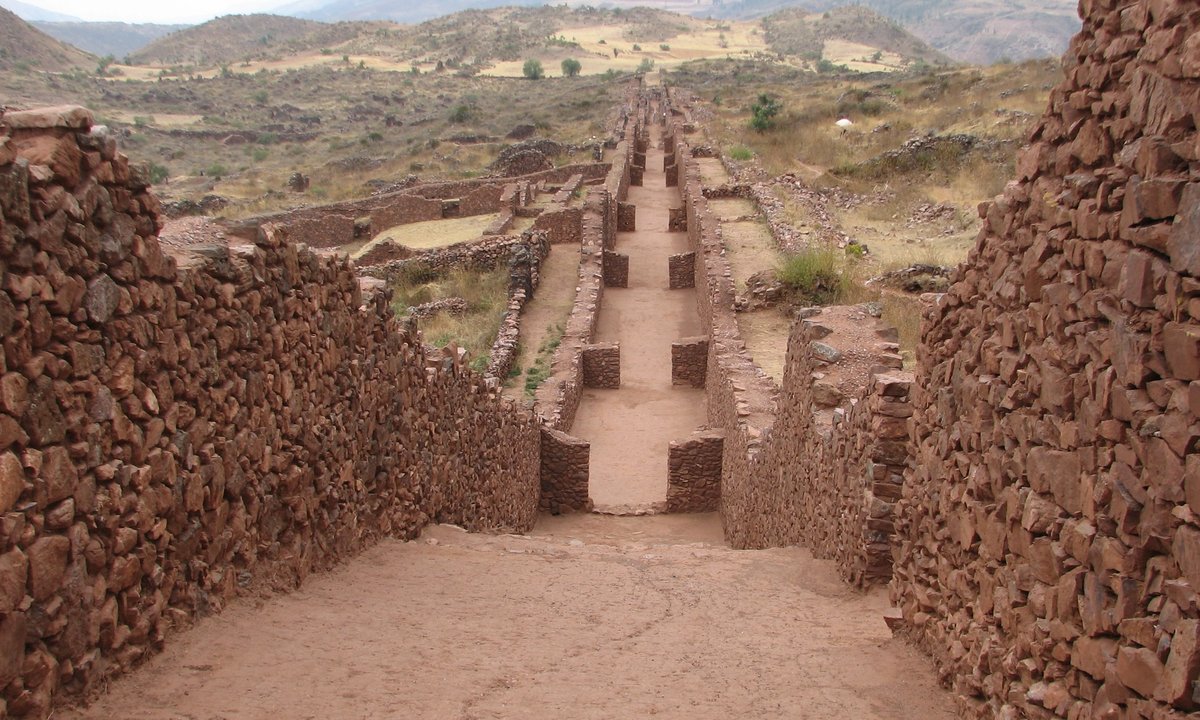
Pikillaqta, once a thriving Wari city, was abandoned around AD900 due to devastating earthquakes and a massive landslide. This natural disaster led to the city's ruin and the decline of the Wari civilization. Historically, the impact of nature on civilizations was overlooked in favor of human actions. However, advancements in technology now allow for a better understanding of how environmental changes shape history. Both sudden disasters and gradual changes can significantly influence human societies and their futures.
"Around AD900, two powerful earthquakes, perhaps in quick succession, shook Pikillaqta. At roughly the same time, there was a massive landslide. Debris flowed down the surrounding hills and into the city's buildings, in places piling up to 2.5m thick."
"For centuries, archaeologists and historians neglected nature's impact on world events in favour of human action—the rise and fall of civilisations was down to conflicts, invasions and politics, they argued, not wind and rain."
"Natural catastrophes can disrupt or even end a civilisation, but slower, more subtle and protracted changes—the ones that we hardly notice on a day-to-day basis—can be just as influential on the course of human history."
"By looking to the past, we can see how nature will shape our future. These findings can help researchers to predict the impact of environmental changes around the globe."
Read at The Art Newspaper - International art news and events
Unable to calculate read time
Collection
[
|
...
]