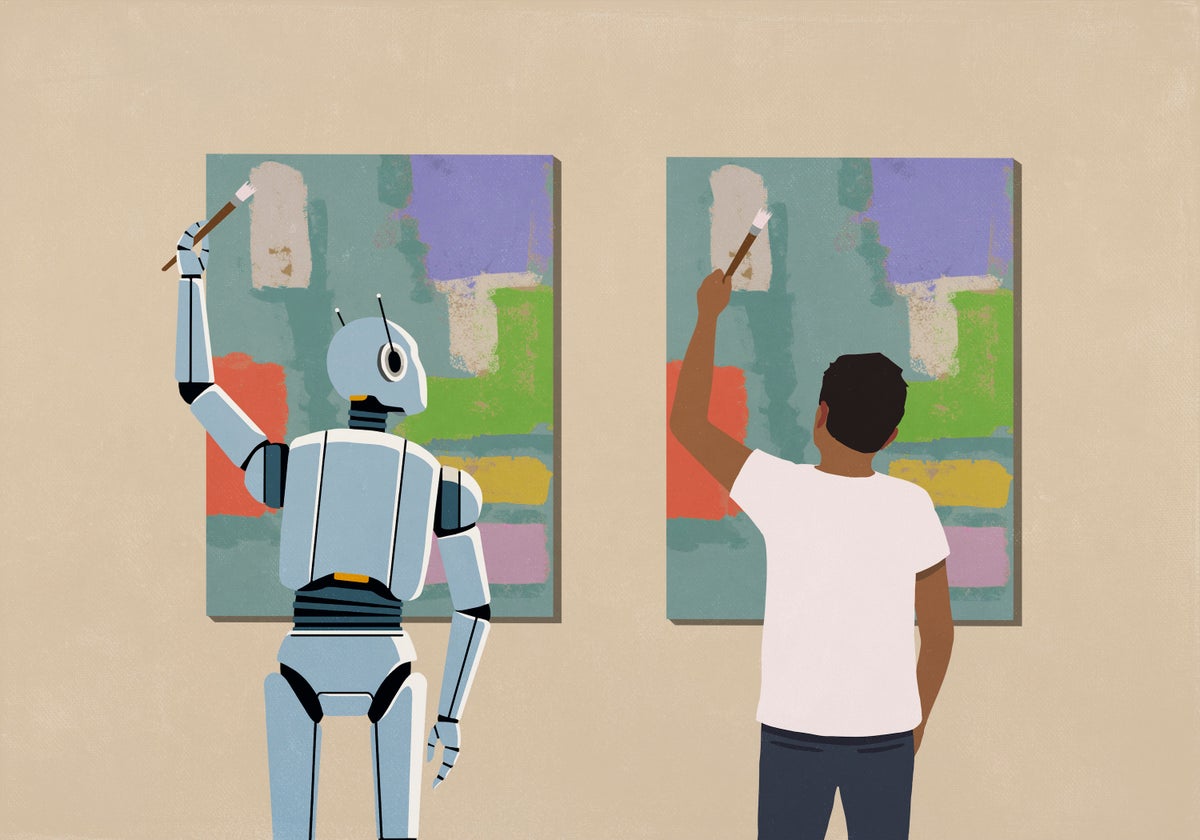
AI-generated art has sparked significant controversy, particularly following a Christie's auction featuring AI-created works. Over 6,000 artists protested that AI models were trained on copyrighted images without consent. Novelists and creative professionals express concerns about AI replacing their work. While some audiences accept AI as a creative tool, surveys reveal complicated attitudes toward AI-generated content. Research in neuroaesthetics demonstrates that increased knowledge about AI's training processes, datasets, and methods correlates with decreased comfort regarding the moral and ethical implications of AI art. This knowledge gap between public understanding and actual AI technology has become increasingly important as the technology rapidly expands into creative industries.
"More than 6,000 artists protested that the AI models used to create these works had been trained on copyrighted images without creator consent. While the auction house had argued that the works demonstrated human agency in the age of AI, critics saw the event as an example of an industry rushing to commercialize technology built on uncompensated creative labor."
"My colleagues and I have found that the more people learn about how AI's back end works—the datasets, training process, prompting—the less comfortable they are with the moral considerations surrounding these creations and the value of AI-generated pieces."
"A report released last November found that more than half of novelists surveyed in the U.K. thought AI could end their career. And audiences seem to have complicated feelings about the technology, too. As one survey found, many Americans are okay with AI as a tool for creative professionals but not as a replacement for their work."
#ai-generated-art #copyright-and-intellectual-property #creative-labor-ethics #public-perception-of-ai #neuroaesthetics
Read at www.scientificamerican.com
Unable to calculate read time
Collection
[
|
...
]