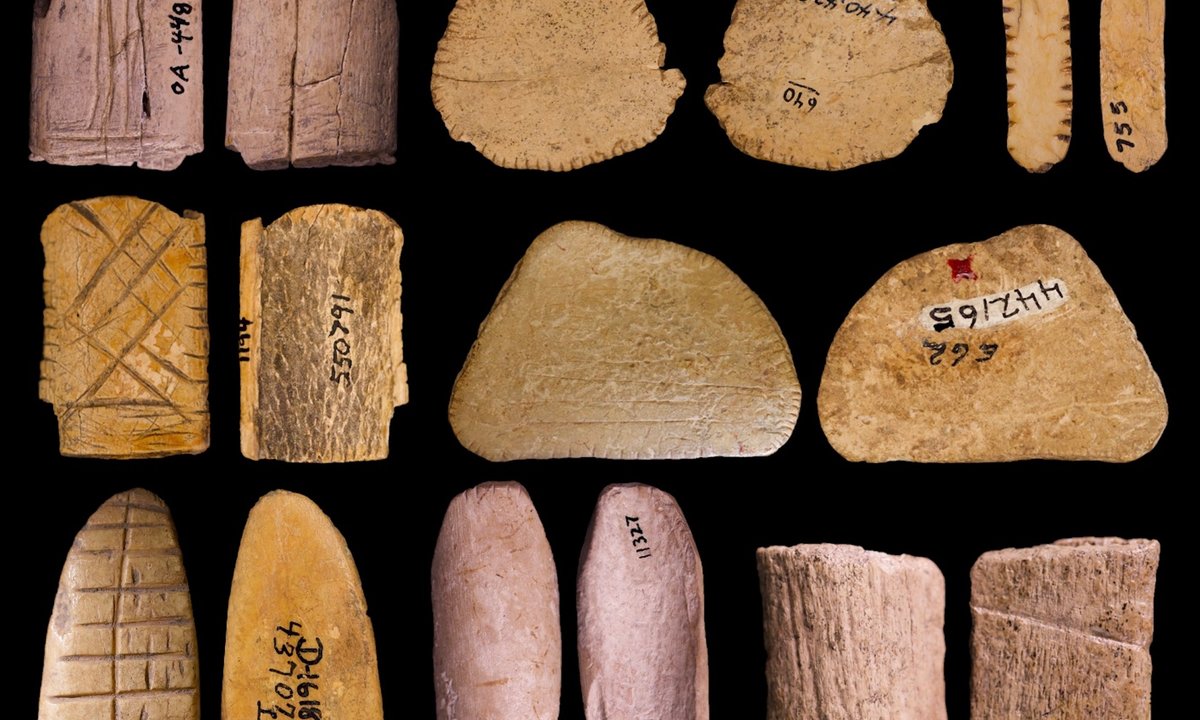
"Historians have traditionally treated dice and probability as Old-World innovations. What the archaeological record shows is that ancient Native American groups were deliberately making objects designed to produce random outcomes and using those outcomes in structured games thousands of years earlier than previously recognised."
"According to my research, Native Americans have been making dice (two-sided versions, called 'binary lots' with dual outcomes) and using them in games of chance and for gambling from the end of the last Ice Age, through colonialism, and continuing to the present day."
A Colorado State University study reveals that Native American hunter-gatherers on the western Great Plains created the earliest known dice over 12,000 years ago. These artifacts, found at archaeological sites in Wyoming, Colorado, and New Mexico, predate the earliest Old-World dice by over 6,000 years. Research indicates that dice and games of chance have been integral to Native American culture for millennia. The study reclassifies older artifacts previously misidentified, highlighting the long-standing tradition of gambling and chance games among Native Americans.
Read at The Art Newspaper - International art news and events
Unable to calculate read time
Collection
[
|
...
]