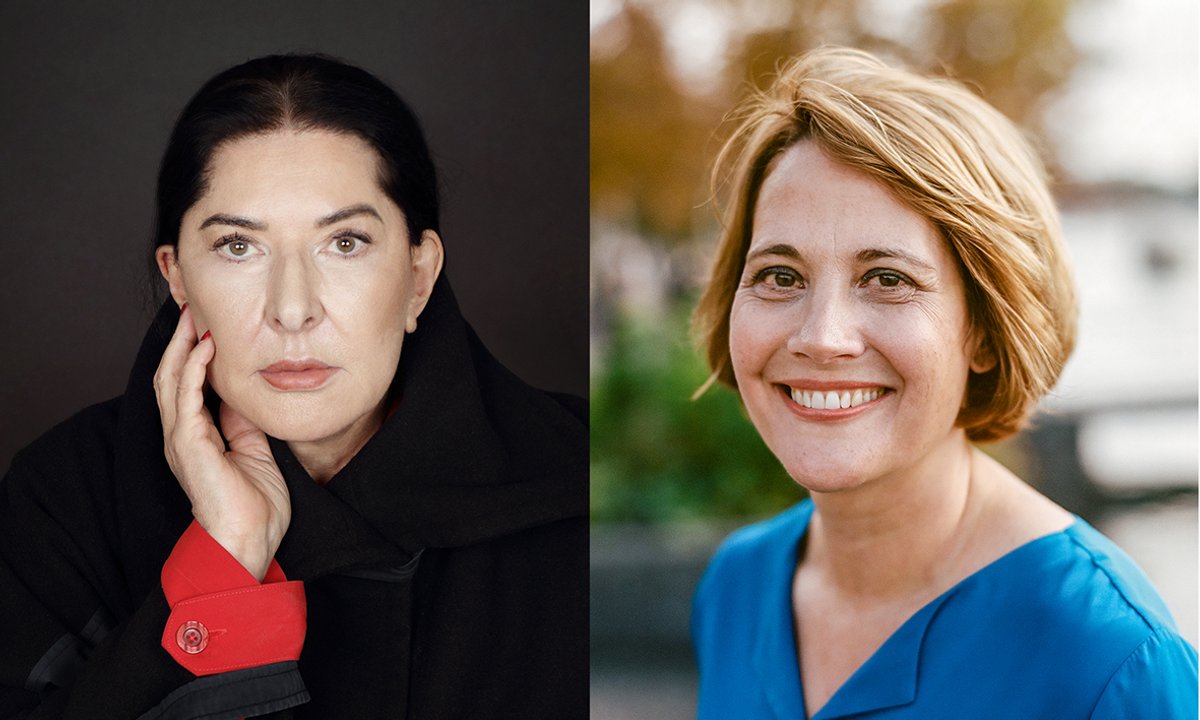
The World Economic Forum incorporates arts and culture to ensure progress remains human, connected and reflective rather than defined solely by economic or technological metrics. Joseph Fowler, WEF head of arts and culture, centers the programme on three pillars: Human Presence in the Digital Age; Tradition and Innovation; and Connection and Collaboration. The curatorial approach pairs intellectual rigour with immersive artistic experience. Participants include eco-artist Thijs Biersteker, multimedia technologist Ronen Tanchum, and French street artist JR. Marina Abramović debuted THE BUS at Davos, inviting participants to step away from schedules and framing reflection as a prerequisite for progress. Curator Mirjam Varadinis highlights interest in art beyond museum walls.
""Within the forum's mission, arts and culture play a vital role: they help ensure that progress is not defined solely by economic metrics or technological advances, but by our capacity to remain human, connected and reflective as we navigate an increasingly complex world," says Joseph Fowler, WEF's head of arts and culture. His programme is anchored around three guiding pillars, "Human Presence in the Digital Age", "Tradition and Innovation", and "Connection and Collaboration", Fowler adds. "Together they form a curatorial vision that pairs intellectual rigour with deeply immersive artistic experience.""
"Furthermore, the godmother of performance art, Marina Abramović,unveiled a new work on Monday entitled THE BUS at Davos this year, marking her debut at the forum. This piece, which invites participants to step away from the forum schedule and the demands of modern life, may prove challenging. "However, as Abramović reminds us, reflection is 'not the opposite of progress but its prerequisite', making her work a meaningful intervention in the high-intensity environment of the World Economic Forum," Fowler says."
Read at The Art Newspaper - International art news and events
Unable to calculate read time
Collection
[
|
...
]