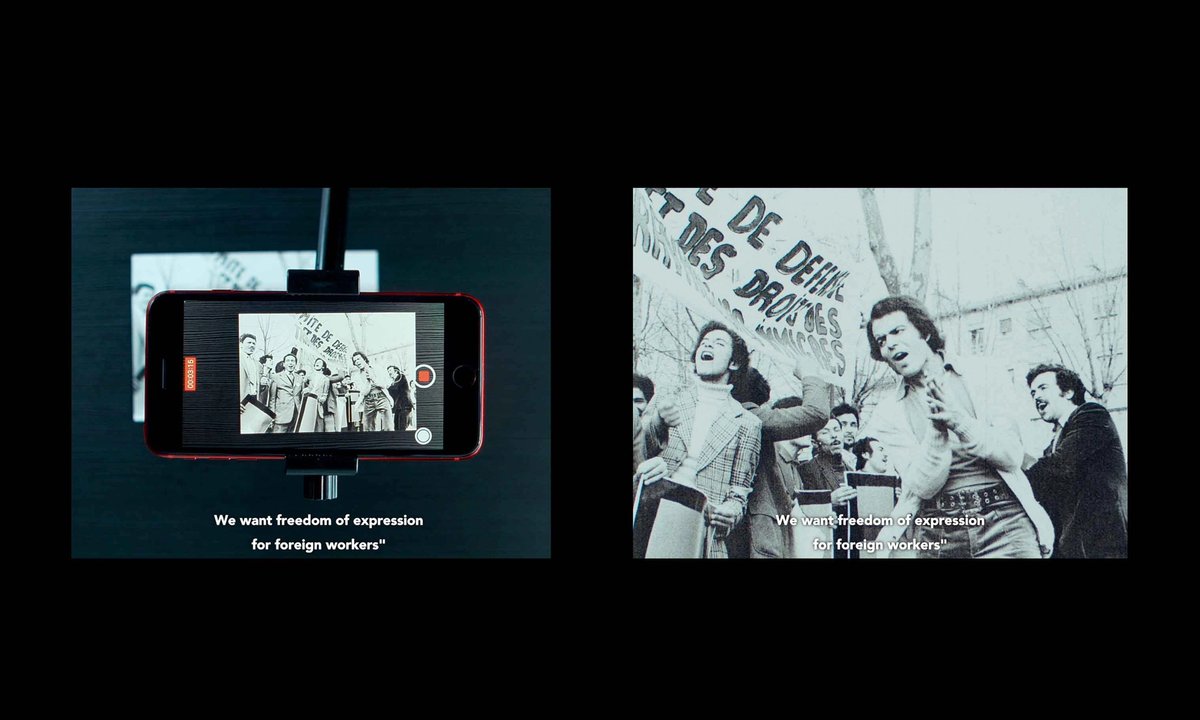
"London's Mosaic Rooms is reopening on 18 February after a year-long refurbishment, with new facilities, a new charitable status and a new director. But the organisation's focus, says its director Pip Day, remains the same: art and culture from the Arab world and beyond. Since the Mosaic Rooms launched in 2008 it has been a consistent platform in the UK for major artists from the Arab region, such as Heba Y. Amin, Sandi Hilal and Alessandro Petti, and Mohammed Omar Khalil."
"A permanent commission of stained-glass windows by Dima Srouji will greet visitors on their way to the new entrance, now via the garden, which has been redesigned as a space of congregation. The work, Four Moons from Home (2026), refers to the seasons of the year and recalls the qamariya -or "half-moon" windows-that are a traditional mode of architectural decoration across the Arab world, and particularly in Yemen and the artist's native Palestine."
Mosaic Rooms reopens on 18 February after a year-long refurbishment, adopting a new charitable status and appointing a new director while maintaining its focus on art and culture from the Arab world and beyond. Since 2008 it has served as a UK platform for major artists from the Arab region, and its audience has expanded reflecting shifting attitudes towards Arab culture and growing curiosity about art from the Global South. Renovation funded by the A.M. Qattan Foundation reconfigures the 19th-century building and adds a recording suite, a salon for workshops and lectures, a playroom, an expanded bookshop and improved gallery access. The garden entrance features Dima Srouji’s stained-glass commission Four Moons from Home, which references qamariya half-moon windows and evokes seasons and connections to Yemen and Palestine. A solo show by Bouchra Khalili inaugurates the refurbished galleries with three video installations exploring the Arab Workers' Movement (MTA).
Read at The Art Newspaper - International art news and events
Unable to calculate read time
Collection
[
|
...
]