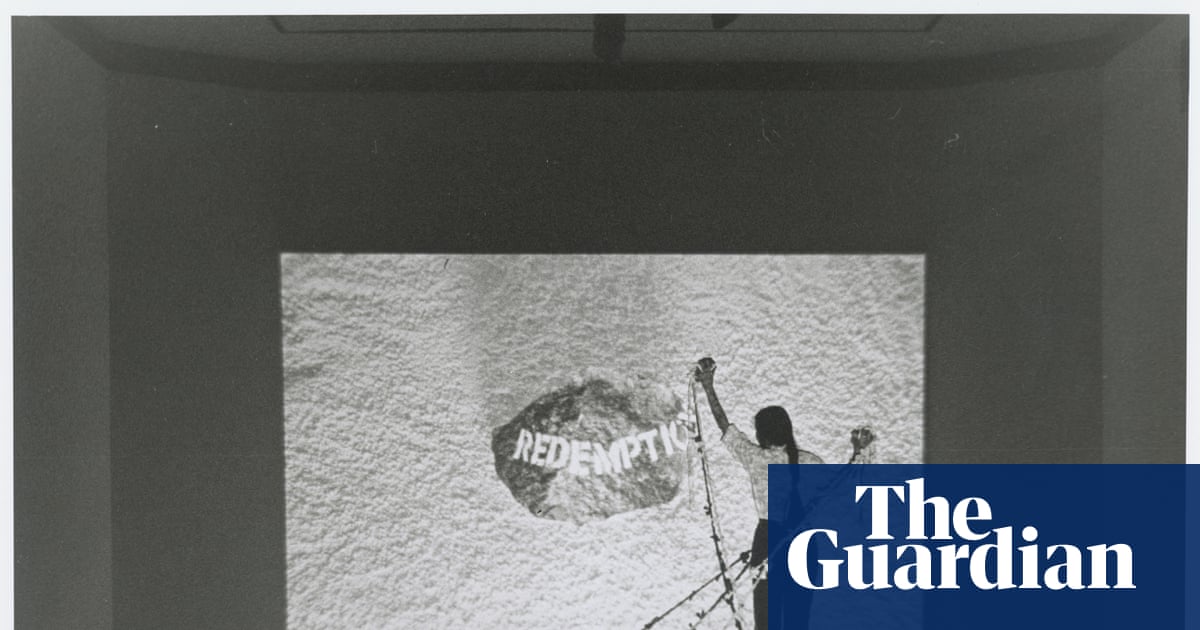
"Born in South Korea in 1951, Cha and her family immigrated to the United States when she was 12. The family found their way to the Bay Area, where Cha became a standout student, eventually earning four separate degrees at UC Berkeley, working at the Berkeley Art Museum and becoming a fixture of the northern California avant-garde art scene throughout the 1970s."
"If there's one thing the late avant-garde artist Theresa Hak Kyung Cha is known for, it's almost certainly her experimental 1982 book Dictee, a hard-to-classify work that has become a mainstay of college curriculums and ambitious writers. Poet Juliana Spahr has described the work as part autobiography, part biography, part personal diary, part ethnography, part auto-ethnography, part translation, noting that it collages multiple voices American, European, and Asian so as to build a history."
Theresa Hak Kyung Cha gained renown for Dictee while producing a varied, experimental body of work across media. Dictee combines autobiography, biography, diary, ethnography, auto-ethnography, and translation, collaging American, European, and Asian voices to build history. The Berkeley Art Museum retrospective, Theresa Hak Kyung Cha: Multiple Offerings, emphasizes Cha’s broader practice and influence and aims to decenter Dictee to reveal richness from the early 1970s onward. Cha published Dictee in fall 1982 and was raped and murdered shortly afterward. The Berkeley Art Museum acquired Cha’s art and archives in 1992 after an exhibition inspired her heirs to donate the materials; subsequent shows occurred during the 1990s.
Read at www.theguardian.com
Unable to calculate read time
Collection
[
|
...
]