"During the closing ceremony on Saturday, February 21, Syrian-Palestinian filmmaker Abdallah Al-Khatib, whose 2026 film Chronicles from the Siege won the best first feature award, gave an acceptance speech that fervently advocated for a free Palestine. He closed his monologue by specifically accusing the German government of being 'partners in the genocide in Gaza by Israel.'"
"Lebanese filmmaker Marie-Rose Osta, who won best short film for Someday a Child (2026), used the pulpit to explain that Israel had repeatedly violated its ceasefire agreements with Gaza and Lebanon, and, in reference to her film's narrative, that 'no child should need superpowers to survive a genocide empowered by veto powers and the collapse of international law.'"
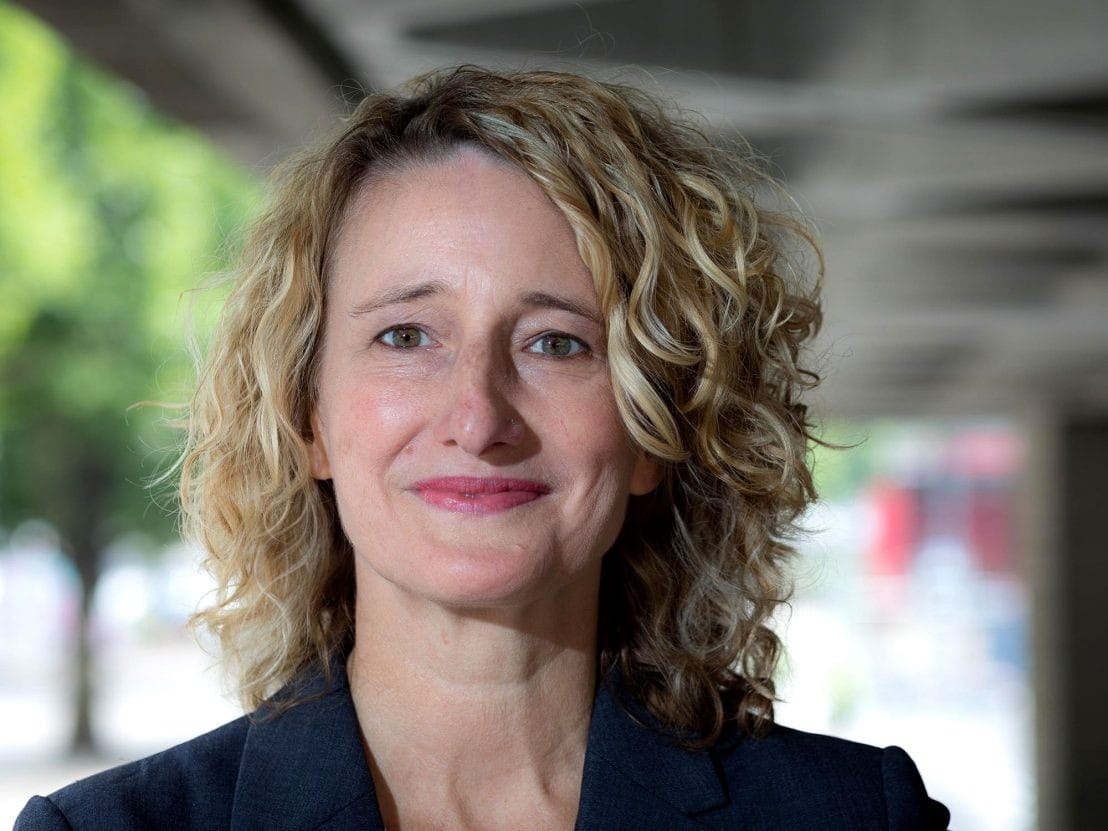
"Amid speculation that Berlinale Director Tricia Tuttle could be ousted as the event executives navigate the next steps, hundreds of film professionals have come to Tuttle's defense in an open letter regarding the festival's institutional independence."
The Berlin International Film Festival faced controversy when multiple award winners used their acceptance speeches to criticize Israel and Germany. Syrian-Palestinian filmmaker Abdallah Al-Khatib, who won best first feature for Chronicles from the Siege, advocated for Palestinian freedom and accused Germany of being complicit in Gaza's genocide. Lebanese filmmaker Marie-Rose Osta, winner of best short film, criticized Israel's ceasefire violations and referenced genocide in her remarks. German Environment Minister Carsten Schneider protested and left the event. Festival Director Tricia Tuttle's position is now uncertain as executives respond to the backlash. Hundreds of film professionals have signed an open letter defending the festival's institutional independence and artistic freedom.
#film-festival-controversy #artistic-freedom #israel-palestine-criticism #berlin-international-film-festival #institutional-independence
Read at Hyperallergic
Unable to calculate read time
Collection
[
|
...
]