"The Codex Azcatitlán, long believed to date to the mid-16th century, was redated in 2017 by the scholar María Castañeda de la Paz to the second half of the 17th century. Alongside the Mexica migration, it depicts Indigenous rulers, Spanish conquest and the early years under colonial rule. "Azcatitlán was based on previous models, including the Boturini, and reflects Indigenous dynamics in New Spain," Castañeda says. "It belongs to a group of codices likely made in the same San Sebastián Atzacoalco workshop to fabricate the noble lineage mainly of Don Diego García, who lived there, securing prestige in a largely illiterate community.""
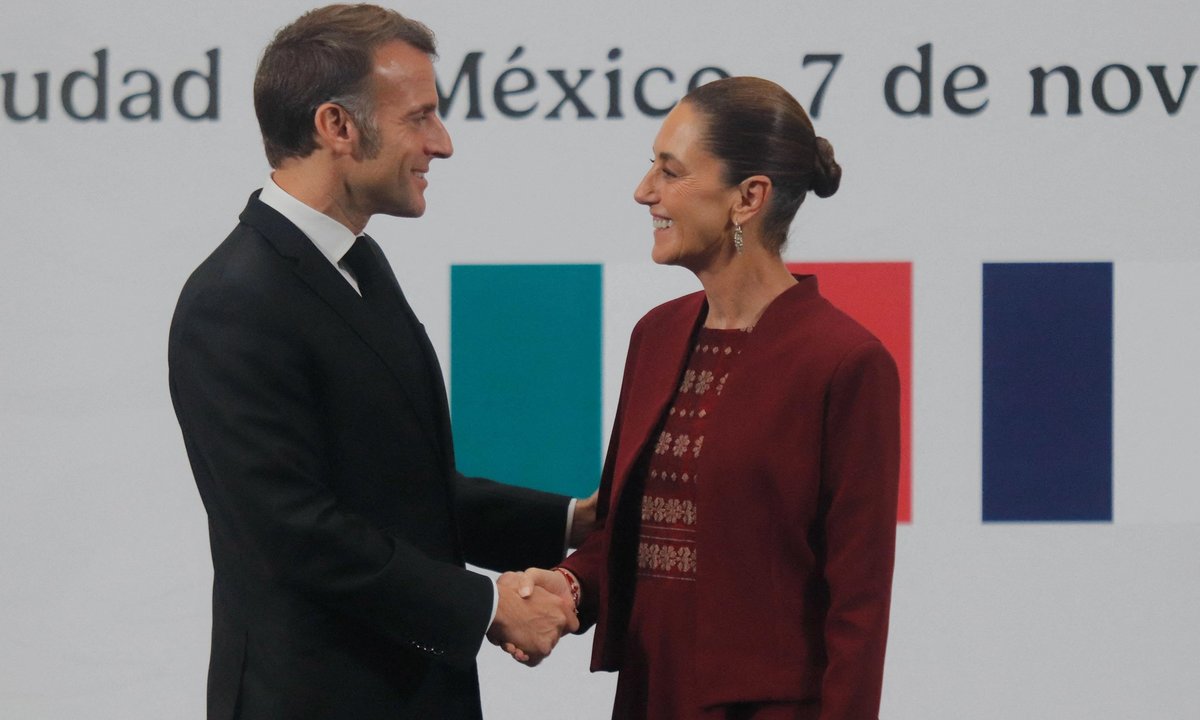
"During French President Emmanuel Macron's visit to Mexico in November, he and Mexican President Claudia Sheinbaum agreed to simultaneous loans of two colonial-era codices: the Codex Azcatitlán, held in the Bibliothèque Nationale de France since 1898, and the Codex Boturini, kept in Mexico's Biblioteca Nacional de Antropología e Historia. Both are rarely exhibited and seldom travel due to conservation concerns."
France and Mexico arranged simultaneous loans of two colonial-era codices: the Codex Azcatitlán from the Bibliothèque Nationale de France and the Codex Boturini from Mexico's Biblioteca Nacional de Antropología e Historia. Both codices are rarely exhibited and seldom travel because of conservation concerns. The loans coincide with a cultural programme marking 200 years of bilateral relations and have energized a campaign for restitution of Mexican codices, including the Codex Borbonicus in Paris. The Codex Boturini narrates the Mexica migration from Aztlán to Tenochtitlan and has remained in Mexico since 1825. The Codex Azcatitlán was redated to the late 17th century and depicts migration, Indigenous rulers, conquest and early colonial rule.
Read at The Art Newspaper - International art news and events
Unable to calculate read time
Collection
[
|
...
]