"I feel like diving into the turmoil of New York. My work will benefit from that shock. The Barcelona-born artist was enamoured by the US city, by the turbulence of the subway, the luminous skyscrapers. He resolved to visit, to be in direct, personal contact with the ideas stirring there."
"The exhibition draws out those crosscurrents, the fervour of those freeing themselves, pushing the boundaries of post-war art. There's so much vitality in this moment. The show is the first in-depth study of Miró's engagement with US artists, featuring works alongside Jackson Pollock, Lee Krasner, Helen Frankenthaler, Alexander Calder and Barnett Newman."
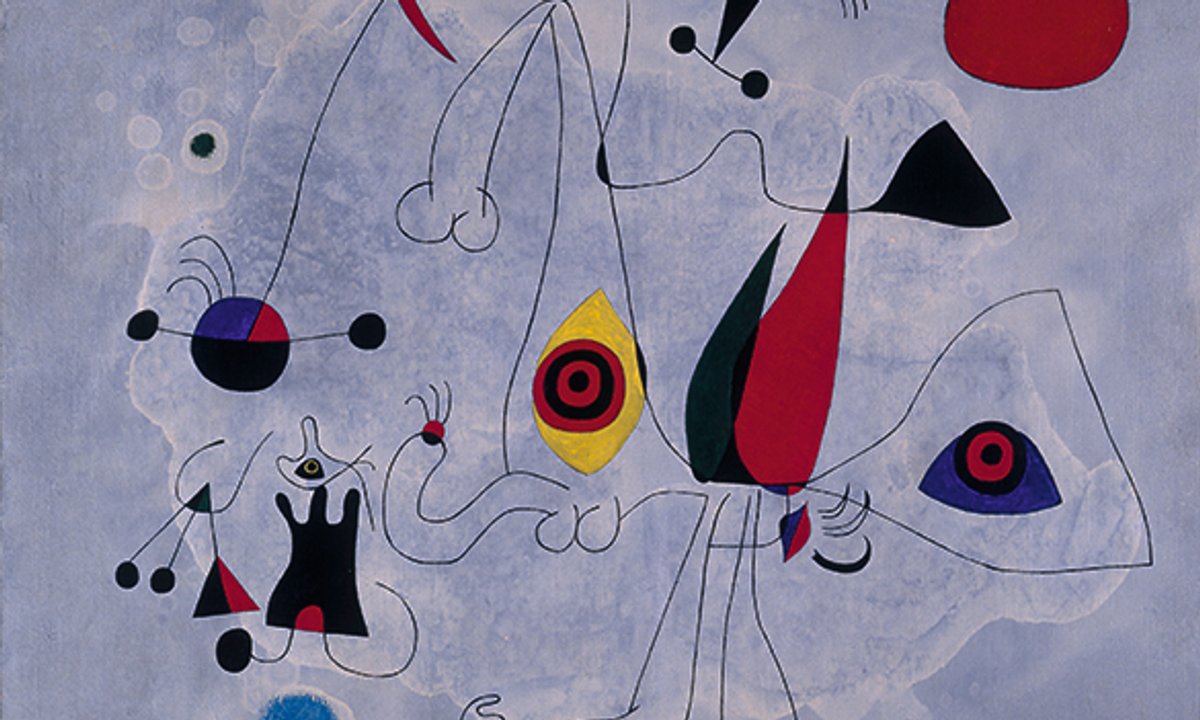
"Krasner said she was mad for Miró, each painting a little miracle. Miró's distinctive vision featured pencil-thin tendrils that dip and whirl, jaundiced eyes floating against grounds of ochre and powder blue. From his compositions, he sought poetry, a delicacy of touch, a world of real unreality that captivated American artists."
Joan Miró, a Barcelona-born artist, sought direct engagement with New York's artistic turbulence in 1947, believing the experience would transform his work. His visit coincided with a vital moment in post-war art when American artists were pushing creative boundaries. The Phillips Collection exhibition showcases Miró's paintings, sculptures, works on paper, and films alongside contemporaries including Jackson Pollock, Lee Krasner, Helen Frankenthaler, Alexander Calder, and Barnett Newman. By the 1940s, Miró had achieved international recognition with a Museum of Modern Art retrospective and numerous US commissions. His distinctive style—featuring delicate tendrils, floating eyes, and ochre and powder-blue grounds—created what he called a world of poetic unreality that profoundly influenced American artists like Krasner.
#joan-miro #post-war-art #transatlantic-artistic-exchange #abstract-art #american-and-catalan-artists
Read at The Art Newspaper - International art news and events
Unable to calculate read time
Collection
[
|
...
]