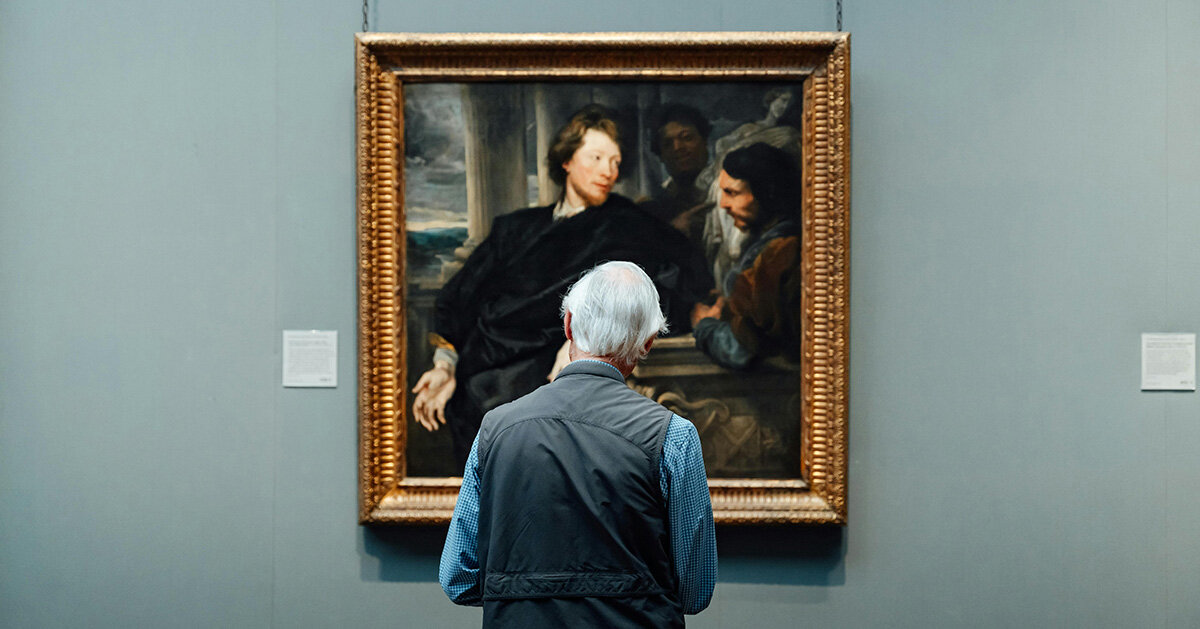
"What if engaging with art functioned as a measurable health intervention rather than cultural enrichment? In her most recent book, Art Cure: The Science of How the Arts Transform Our Health, Daisy Fancourt argues that engagement with the arts functions as a health intervention. Drawing on decades of neuroscience, epidemiology, immunology, and behavioral science, the UCL professor positions the arts as a foundational component of well-being, a 'forgotten fifth pillar' alongside diet, sleep, exercise, and nature."
"Trained in both music and medicine, she began her work inside hospitals, where she observed patients' anxiety easing and pain perception shifting during singing sessions and arts-based activities. These experiences pushed her beyond observation and into explanation. Her doctoral research in psychoneuroimmunology examined how artistic engagement alters stress hormones, immune responses, and neural activity, translating what many intuitively sense about art into quantifiable data."
Engagement with the arts functions as a measurable health intervention and a foundational component of well-being alongside diet, sleep, exercise, and nature. Evidence from neuroscience, epidemiology, immunology, and behavioral science shows that artistic activities produce measurable changes in stress hormones, immune responses, and neural activity. Arts participation supports childhood brain development, enhances resilience against dementia, aids recovery after brain injury, and reduces loneliness and frailty. Cultural participation operates as both a biological and social resource that influences individual physiology and community functioning. Arts-based programs have scaled from clinical pilots to population-level public health interventions.
Read at designboom | architecture & design magazine
Unable to calculate read time
Collection
[
|
...
]