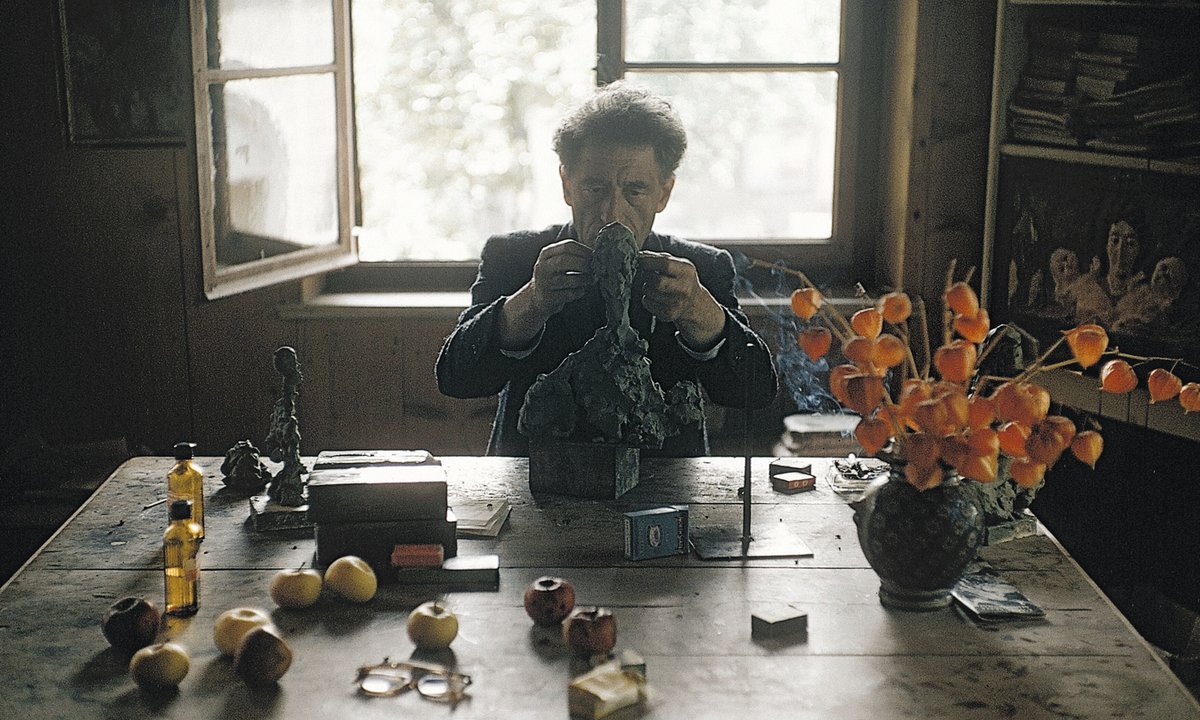
"Think of Alberto Giacometti and most of us will first conjure the Parisian avant-garde and existential angst. But there was another side to Giacometti, one rooted in his birthplace, the remote Swiss Alpine village of Stampa. Initially eager to escape the shadow of his father, Giovanni, who was also an artist, Giacometti followed that well-trodden path of youth, escaping the provinces for the glittering metropolis of Paris in 1922."
"But, from the 1950s onwards Giacometti returned more and more often to the Swiss valley, starting to work in his father's studio which had once felt stultifying. "He didn't want to be seen as the son of a Swiss painter or a boy from the Alps, but as a Parisian artist at the centre of the international avant-garde... And yet, the pull of Stampa and of the Engadine endured,""
Alberto Giacometti left Stampa for Paris in 1922 to establish himself within the international avant-garde, distancing himself from his father Giovanni and provincial origins. From the 1950s onward he increasingly returned to the Swiss valley and began working in his father's studio. The works produced in the Alps portray his mother, wife, villagers and the local landscape and are distinct from Paris and Geneva output. Alpine pieces reduce mountains and faces to essential forms that balance fragility and endurance. Around 20 paintings, sculptures and drawings of family and Bregaglia Valley landscapes date from 1918 through the 1950s and appear in a Hauser & Wirth show.
#alberto-giacometti #stampa-swiss-alps #family-portraits #alpine-landscapes #hauser--wirth-exhibition
Read at The Art Newspaper - International art news and events
Unable to calculate read time
Collection
[
|
...
]