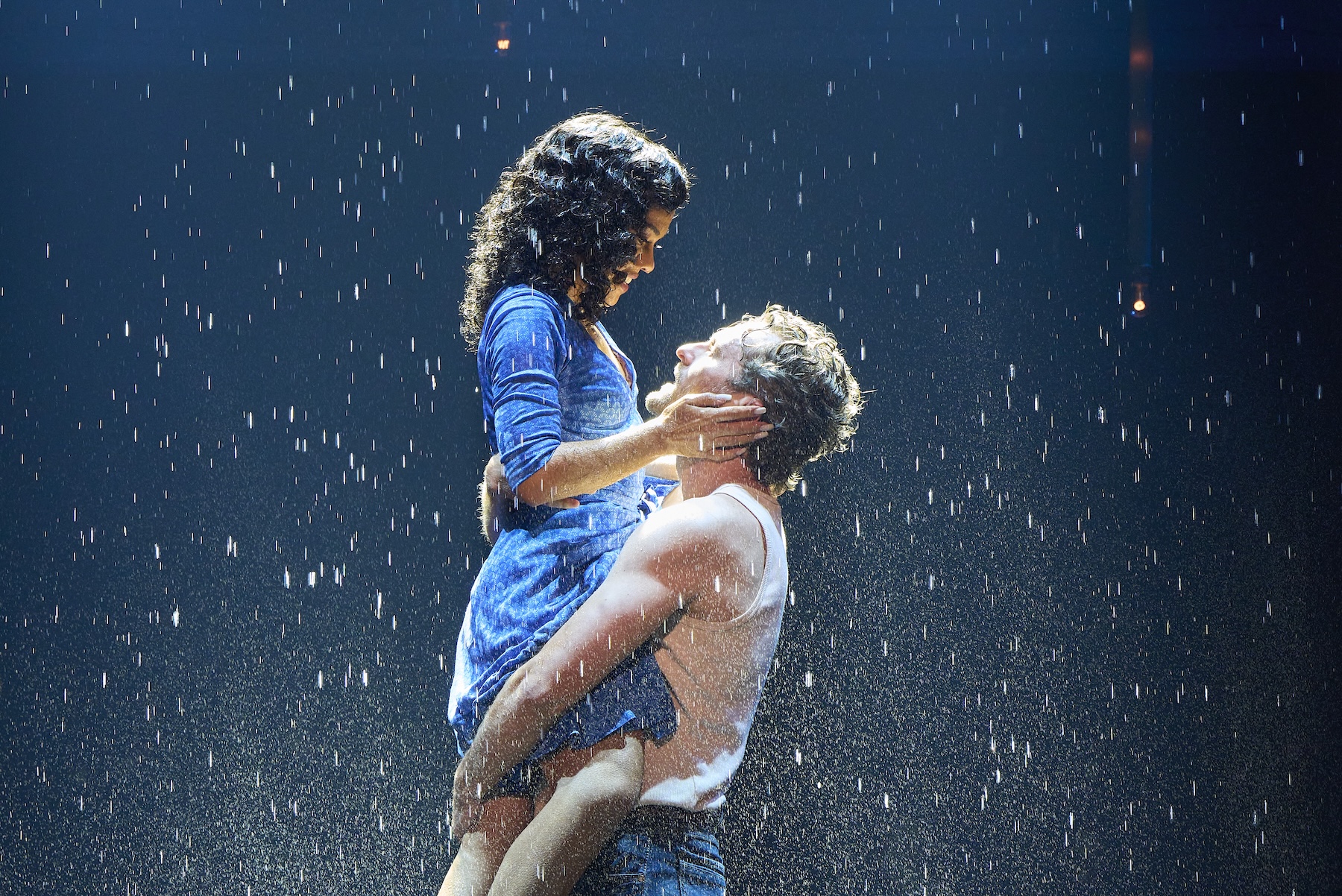
"Like every symbiosis, the relationship between audience and performer can turn toxic. I'm sure many of you have heard about how-ongoing pandemic be damned-with major concerts revved up again, post-shelter crowds regularly throw things at the performers. (Not that the practice is anything new. Hell, just last week, I mentioned Rite of Spring, the ballet so incendiary in its day that opening-night audiences nearly destroyed the Théâtre des Champs-Élysées.)"
"Theatre is an art, and art is emotional. No form of art is truly apolitical, and neither is the patron observing it. Consciously or not, artist and patron approach one another in the hopes of seeing where they meet or diverge. But with the exception of some performance art, there's the unspoken agreement between the two that, regardless of reaction to the work, an invisible line won't be crossed."
"One such character was played by actor Ole Lagerpusch, who got a reaction he didn't expect: while he was reciting his character's bigoted rant, audience members began to hiss and jeer. Then, they tossed objects at Lagerpusch. Then, some of them hopped on stage, apparently inspired to drag him off. Fortunately, he wasn't injured-and managed to deliver his final line; "The future belongs to us.""
Venue safety and dramatic substance collide when audience reactions escalate into physical assault. Theatre embodies emotional and political tensions, creating an unspoken contract that spectators will not cross certain lines. Historical examples include hostile reactions to Stravinsky's Rite of Spring. A recent Bochum production of Tiago Rodrigues' Catarina, or the Beauty of Killing Fascists, provoked hissing, jeering, object-throwing, and stage incursions against actor Ole Lagerpusch while he delivered a bigoted rant; he was not injured and finished with the line; "The future belongs to us." Rising right-wing politics in Germany frames the context for such volatile responses.
Read at 48 hills
Unable to calculate read time
Collection
[
|
...
]