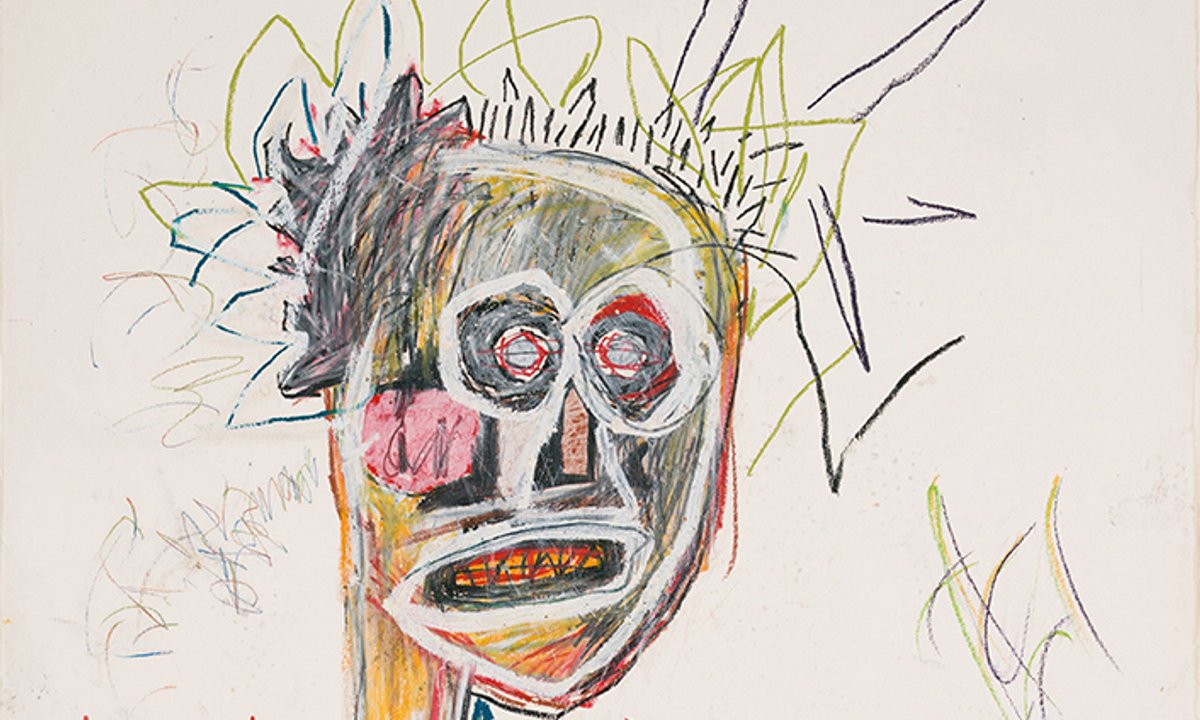
"When a 22-year-old Jean-Michel Basquiat (1960-88) was asked how he typically began a piece, his answer was simple: "I suppose I would start with a head." That instinct-almost a reflex-sits at the core of a remarkable group of early works on paper that remained largely unseen during his lifetime. The Basquiat: Headstrong exhibition, which opens this month at the Louisiana Museum of Modern Art in Denmark, is set to become the first comprehensive showing devoted to the artist's depictions of the human head."
"Many of these drawings appear to have been made on the studio floor; smudges, dirt and even the faint marks of sneaker soles linger on their surfaces. Oil sticks, already a familiar tool to the artist, were often the sole medium. Basquiat kept many of these sheets close-so close, in fact, that several of them were hidden away in his studio, shielded from public view for years."
"It was not until 1990-two years after his death-that these works reached a wider audience, when Robert Miller Gallery in New York mounted an exhibition of 142 works on paper, including 27 of the heads. The curator John Cheim, who organised the show, recalled sifting through the estate's holdings and being struck by these unfamiliar, forceful images. Their boldness, he felt, suggested that Basquiat "retained them because he thought that they were special"."
Jean-Michel Basquiat frequently began drawings with a head, producing a striking group of early works on paper chiefly from 1981 to 1983. Many drawings were created on studio floors, bearing smudges, dirt and sneaker marks, often rendered solely in oil stick. These head images remained private; several sheets were hidden in his studio and escaped photocopy incorporation used elsewhere. Public exposure increased in 1990 when Robert Miller Gallery exhibited 142 works on paper, including 27 heads. Curator John Cheim found the head drawings unfamiliar and forceful, believing Basquiat retained them because he considered them special. Museum curators initially responded skeptically.
Read at The Art Newspaper - International art news and events
Unable to calculate read time
Collection
[
|
...
]