"There was quite a buzz in the salerooms. Auctions the previous week in Paris had produced some eye-catching numbers, including €12.4m for a Guido Reni David and Goliath. Were these signs of an Old Master breakthrough? As ever with a market that spans four centuries of shifting tastes, the signals were mixed. At Sotheby's, an exquisite late 15th-century Flemish triptych discovered in a Dorset almshouse made £5.7m,"
"Christie's top lot was a superb Gerrit Dou, A Flute Player, which made £3.8m. In real terms that's a return of more than 500% on the 3,500 guineas it made when it last sold in 1894. But, as they never tell you in the auction rooms, the value of your bid can go down as well as up. At Bonhams, a Roman capriccio by Giovanni Paolo Panini last sold in New York in 2005 for $320,000 made just £44,800."
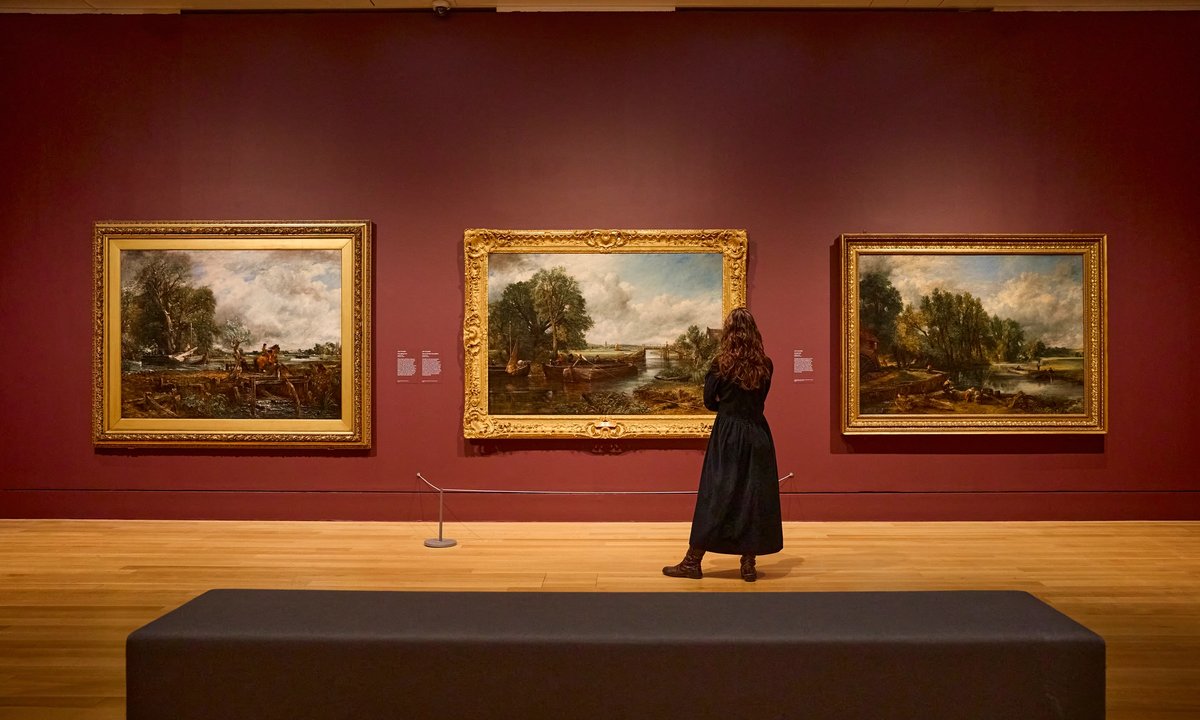
A trip to London combined attendance at Old Master sales with a visit to Tate Britain's Turner and Constable exhibition. Auction results were mixed: high-profile successes included a late 15th-century Flemish triptych making £5.7m and a Gerrit Dou fetching £3.8m, while notable failures included a Giovanni Paolo Panini capriccio selling for only £44,800. Historic returns can be dramatic, as with Dou's work surpassing its 1894 price by over 500%. The Tate show is praised as a proper blockbuster, though some exhibition labels—especially about Constable—receive criticism.
Read at The Art Newspaper - International art news and events
Unable to calculate read time
Collection
[
|
...
]