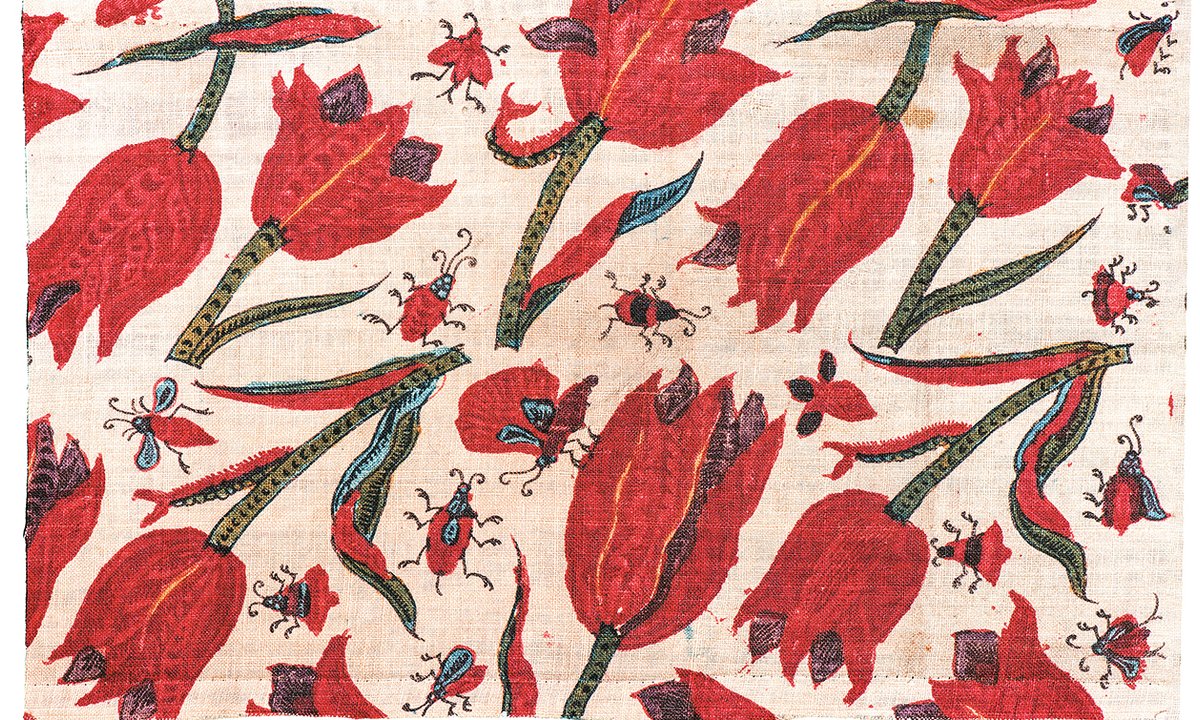
The book presents pre-modern Indian block-printed cloths from a major textile collection, focusing on their diversity and long-distance trade. Chintz is described as an indigenous art form whose meanings and uses shifted over time, including references to spray-like speckling effects and ivory-colored cotton dyed or painted with red and indigo pigments. In the 17th and 18th centuries, chintz palampores and related textiles decorated homes across multiple continents, reflecting extensive maritime connectivity. The history is difficult to reconstruct because everyday textiles often survive only a few generations and many makers came from oral traditions, leaving their identities largely unknown. The result is a complex picture of formulaic patterns enriched by minute variations.
"This handsomely illustrated book, based on one of the world's largest textile collections, sheds light on a little-understood category of global art: the intricate, astonishingly varied block-printed cloths that were designed in pre-modern India and sent out for over a thousand years on maritime trade routes to Japan, Indonesia, France and Britain."
"Today, we may be tempted to associate "chintz" with cushions, curtains and chairs, but Chintz: Indian Cotton Textiles from the Karun Thakar Collection tells a story of indigenous artistry, trade and cultural exchange that contains within it a potted history of pre-modern global connectivity. Through the collected essays of 12 leading scholars of Asian textiles, we learn of the extraordinary diversity underlying an ancient export industry that has cast a long shadow on global fashion."
"The book uncovers a rich and disappearing history, since textiles-particularly those designed for specific, everyday use-do not tend to last more than a few generations, putting their inception and historical development out of reach. As they are the products of predominantly oral societies, we also know next to nothing of the unnamed, enigmatic makers who introduced boundless, minute variation to highly formulaic traditional patterns."
""The word 'Chintz' in Hindi denotes 'spray' and a 'splattered' or 'speckled' effect," writes Thakar as he excavates little-appreciated Indian views of Indian textiles. Perhaps the most common application of the word is to lengths of ivory-coloured fabric, usually cotton, dyed or painted with pigments of red and indigo. In this guise, in the 17th and 18th centuries, chintz palampores -a word derived from the Hindi for bed-cover-"decorated homes on every continent, making Indian chintz makers among the most influential in art and design history"."
Read at The Art Newspaper - International art news and events
Unable to calculate read time
Collection
[
|
...
]