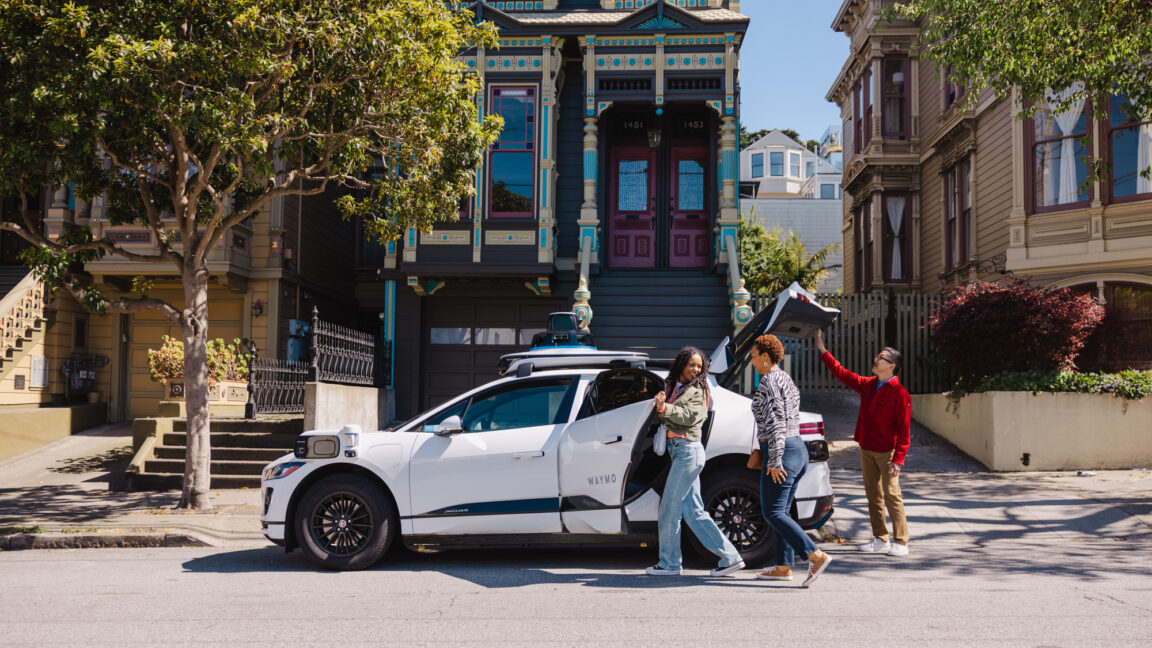
"Autonomous vehicles have a lot of potential. As long as you program them right, they won't speed, won't break traffic laws, and won't get drunk, high, abusive, or violent. And the technology has been getting much more capable, even as some of the hype has died down, taking some of the related companies with it. Waymo still easily leads the field and is already operating commercially in six cities across America, with a dozen more (plus London) coming soon."
"Soon, Waymo will begin deploying its sixth-generation Waymo Driver, using upfitted Zeekr Ojai minivans, adding to the Jaguar I-Paces that have become so common on San Francisco streets and to its fleet of Hyundai Ioniq 5 electric vehicles. It has upgraded the cameras, lidar, and radar, meaning the cars can better sense their environments at night and in inclement weather. There are even microphones that can pick up sounds like sirens to better inform the robotaxi of the direction the emergency vehicle(s) are coming from."
Autonomous vehicles can obey traffic laws and avoid human vices when properly programmed. The technology has grown more capable even as some hype faded. Waymo leads and operates commercially in six U.S. cities with a dozen more, including London, coming. Waymo vehicles can drop off and pick up passengers at Phoenix and San Francisco airports. The company will deploy a sixth-generation Waymo Driver in upfitted Zeekr Ojai minivans, adding to Jaguar I-Pace and Hyundai Ioniq 5 fleets. Sensor upgrades include improved cameras, lidar, radar, and microphones that detect sirens, enhancing night and bad-weather sensing. A persistent limitation is inability to close a passenger-left-open door, preventing movement if no one is nearby to assist.
Read at Ars Technica
Unable to calculate read time
Collection
[
|
...
]