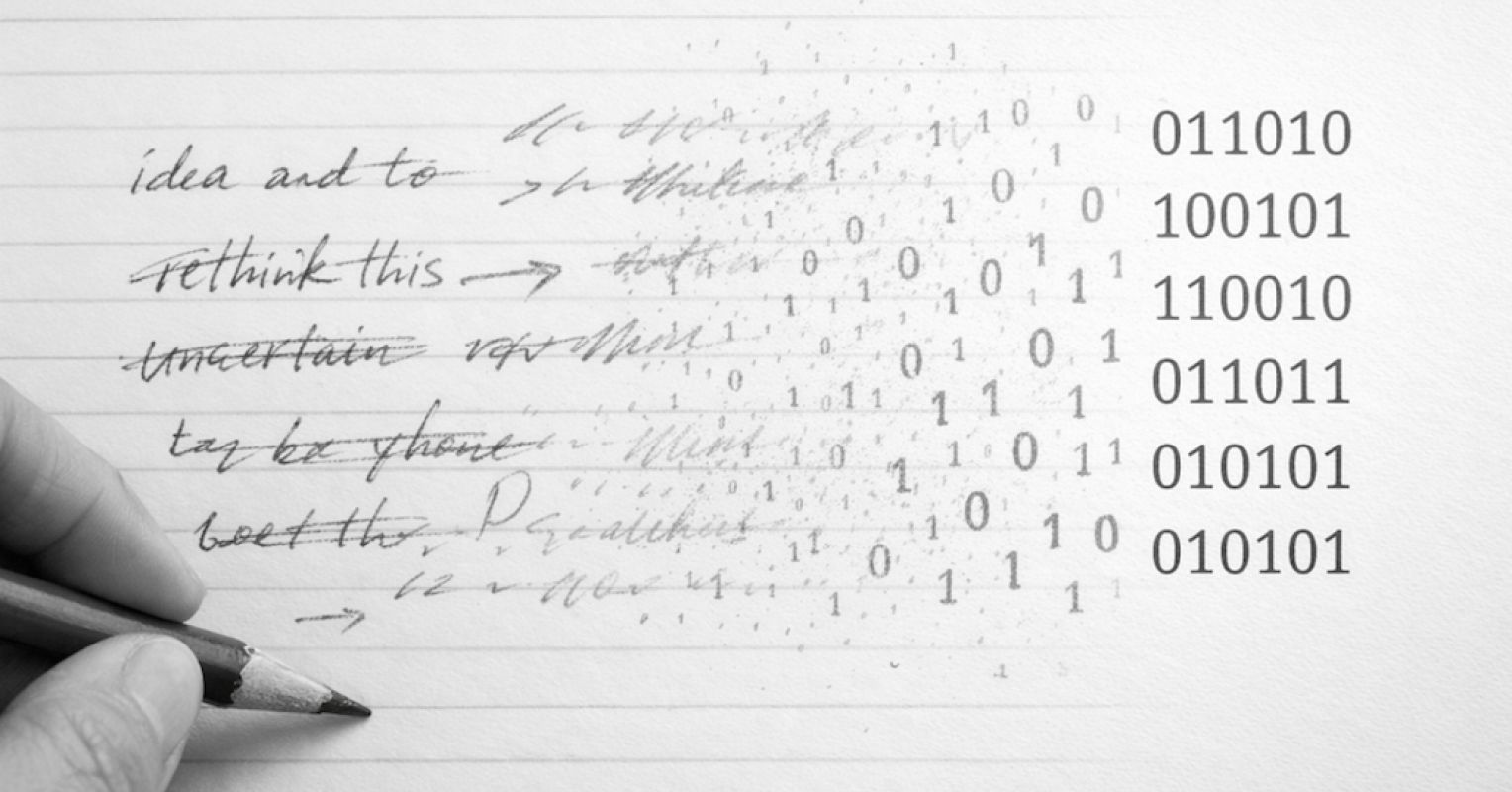
AI interactions in 2025 shift from tools to sources of resolution, allowing systems to finish tasks and produce fluent language that feels complete. That fluency creates techno-confidence that can be mistaken for genuine understanding because articulate output no longer indicates the cognitive effort behind conclusions. Historically, certainty carried a retraceable path and textured thinking; AI often removes visible struggle, delivering conclusions without showing how they were reached. The removal of visible effort risks weakening human judgment and making certainty a borrowed commodity, marking an inflection point for whether human judgment can retain its footing amid pervasive AI fluency.
"I didn't spend this year chasing model releases or debating whether artificial intelligence has crossed some abstract threshold. What kept attracting me was something quieter and, in many ways, more personal. It was how interacting with AI has begun to change the feel of thinking itself. At some point in 2025, I realized that large language models are no longer experienced as tools. They have become sources of resolution."
"When someone spoke well, we assumed they had thought deeply. My contention is that in 2025, that assumption no longer holds. Before AI, confidence typically had a shadow of effort. Even when we were wrong, our certainty had a path we could retrace and reexplore. Our human thinking had texture. However, AI strips much of that away as it delivers conclusions without showing the struggle that traditionally made conclusions meaningful."
Read at Psychology Today
Unable to calculate read time
Collection
[
|
...
]