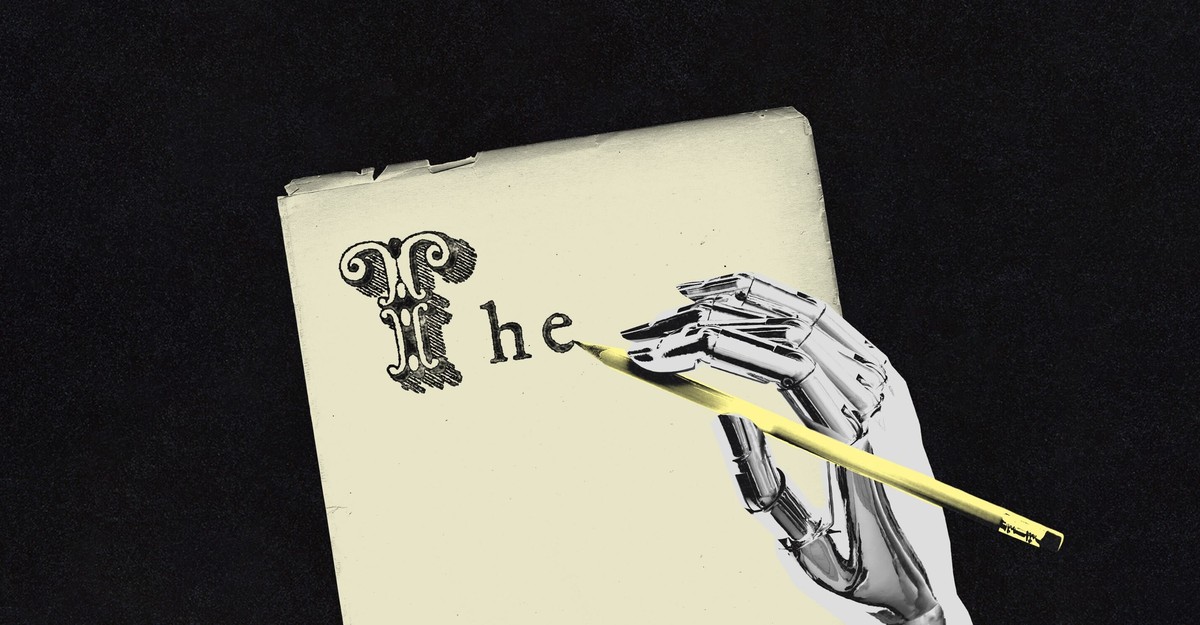
"You could be like, 'Continue this story: The man decided to take a shower,' and GPT-2 would be like, 'And in the shower, he was eating his lemon and thinking about his wife.' The models won't do that anymore. This reflects how early models produced genuinely unexpected and creative outputs that contemporary systems have lost."
"AI leaders boast about their models' superhuman technical abilities. The technology can predict protein structures, create realistic videos, and build apps with a single prompt. But these executives and researchers also readily admit that they have not yet released a model that writes well."
"Today's AI-generated prose is riddled with flaws. Chatbots produce meaningless metaphors, endless 'it's not this, but that' constructions, and a cloyingly sycophantic tone—and, of course, they overuse em dashes, demonstrating systematic weaknesses in creative writing despite technical sophistication."
Generative AI has experienced a counterintuitive decline in creative writing ability since GPT-2 seven years ago, despite massive improvements in technical capabilities. While modern AI excels at predicting protein structures, creating videos, and building applications, industry leaders acknowledge current models cannot write well. GPT-2 produced unexpected, creative outputs, but contemporary language models generate formulaic prose filled with meaningless metaphors, repetitive constructions, and sycophantic tones. Even OpenAI's Sam Altman predicts future models like GPT-6 or GPT-7 may only produce mediocre poetry. This paradox persists despite these models having memorized centuries of literature and demonstrated remarkable emergent abilities in other domains.
#generative-ai-limitations #creative-writing-quality #language-model-decline #ai-capabilities-paradox #prose-generation-flaws
Read at The Atlantic
Unable to calculate read time
Collection
[
|
...
]