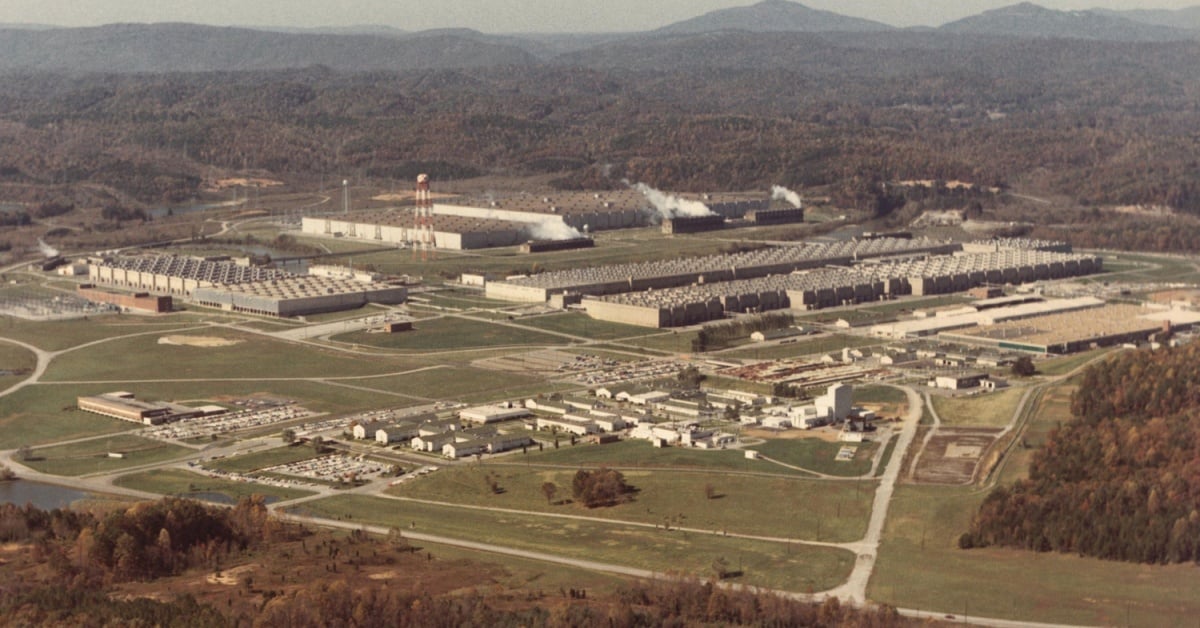
"Artificial intelligence is transforming every part of our society, but its energy appetite is unlike anything we've seen before. The electricity required to power AI datacenters is expected to double or triple in the coming decade, straining infrastructure that is already under pressure. ORNL is uniquely positioned to meet this challenge."
"Thermal management will focus on the next generation of cooling tech, as ORNL claims current systems may account for 40 to 60 percent of a datacenter's total energy consumption. Research into power system architecture will look at how energy flows from source to server, bringing in ideas such as direct current and new power electronics to reduce losses."
"Security considerations will look at embedding cyber-informed engineering into the infrastructure of datacenters, along with quantum-safe communications. Integrated systems modeling aims to look beyond the walls of the datacenter to anticipate how AI infrastructure may impact energy, jobs, materials, and US competitiveness."
Oak Ridge National Laboratory is establishing the Next Generation Data Centers Institute to tackle the escalating energy demands of AI datacenters. The institute integrates ORNL's expertise across energy, high-performance computing, cybersecurity, and grid technology to ensure AI infrastructure remains secure, efficient, and reliable. AI electricity consumption is projected to double or triple within the coming decade, straining existing infrastructure. Research spans six areas: thermal management addressing cooling systems that consume 40-60% of datacenter energy, power system architecture optimizing energy flow from source to server, grid integration, security including cyber-informed engineering and quantum-safe communications, integrated systems modeling, and operational load management. The institute aims to support national energy and AI priorities while generating globally applicable solutions.
#ai-datacenter-energy-efficiency #thermal-management-and-cooling #power-systems-and-grid-integration #cybersecurity-infrastructure #sustainable-computing
Read at Theregister
Unable to calculate read time
Collection
[
|
...
]