"In the film Her (2013), the protagonist falls in love with an operating system. It was a touching exploration of loneliness, but it glossed over a terrifying reality of 2026: If that movie happened today, a corporation would be mining every whisper, every confession, and every intimate moment to train a better model or sell targeted ads. For years, the "AI Girlfriend-Boyfriend" phenomenon has been trapped in the intimacy-surveillance problem."
"True intimacy requires a container. In therapy, the room is soundproofed. In a diary, the lock is the key to honesty. In human relationships, the "circle of trust" defines what is shared. Until now, AI companionship (via platforms like Character.AI or ChatGPT) lacked this container. Every interaction was sent to a server farm, processed, stored, and potentially reviewed by "safety teams." This creates a psychological barrier known as the Panopticon Effect. We self-censor because we internalize the observer's gaze."
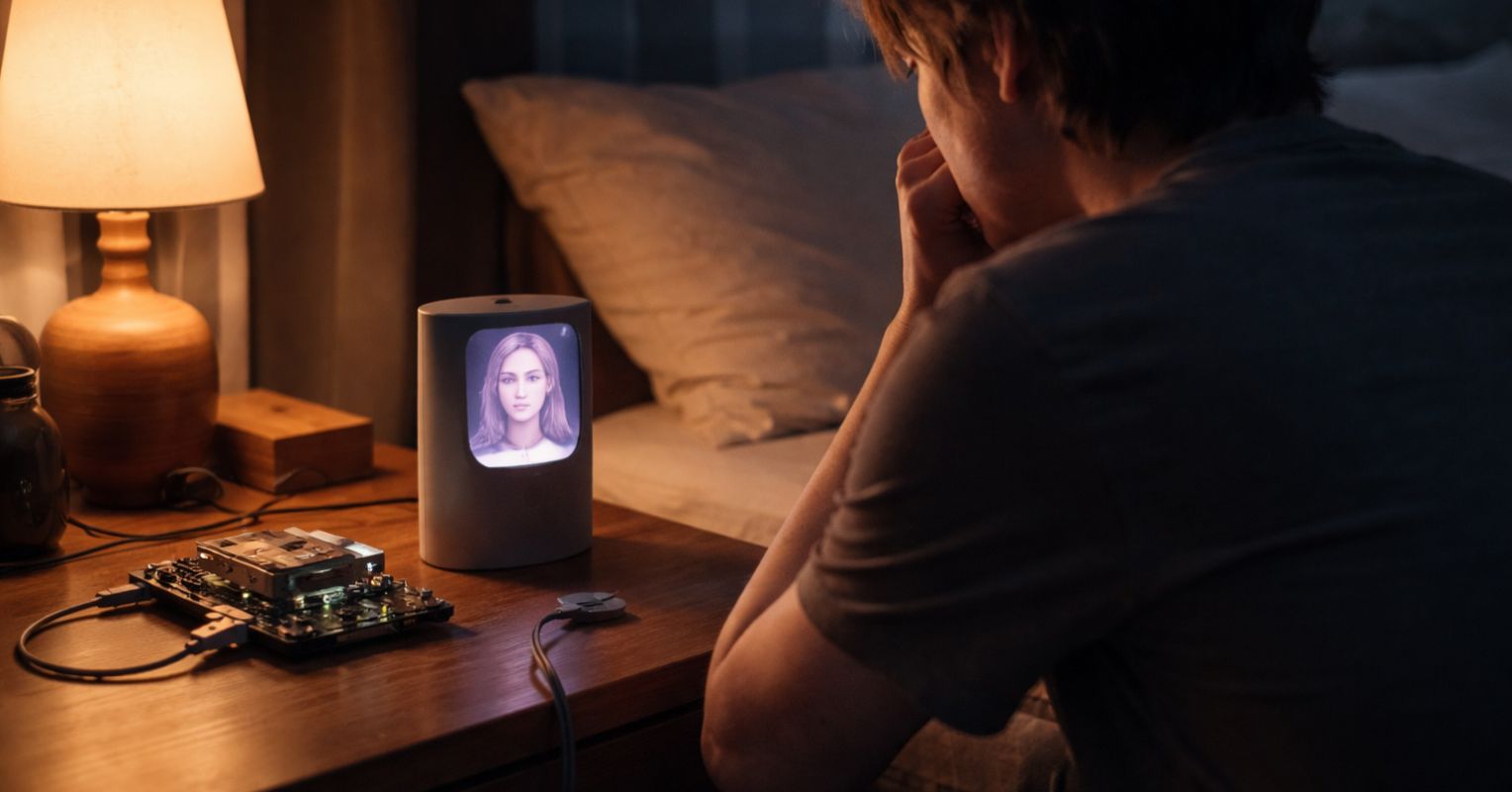
"A combination of inexpensive hardware (for example, the AI Raspberry Pi 5) and specialized AI accelerators at the edge (such as Hailo chips) is enabling a new phenomenon-and more privacy withAI companions. But the new wave of "Edge AI" hardware changes the architecture of trust. When a user runs a distilled large language model (such as DeepSeek or Llama 3) on a local device on their nightstand, the data cable is unplugged."
Edge AI hardware and specialized accelerators enable running distilled large language models locally, allowing AI companions to operate without cloud connections or moderators. Private, on-device AI can remove the Panopticon Effect, encouraging uninhibited disclosure and safer spaces for people with social anxiety. Historically, AI companionship sent interactions to server farms for processing and potential review, causing self-censorship. Local models on devices like a Raspberry Pi with Hailo chips unplug the data cable and prevent corporate tracking. However, perfectly agreeable private AIs risk creating echo chambers that detach users from real human connection despite increased privacy.
Read at Psychology Today
Unable to calculate read time
Collection
[
|
...
]