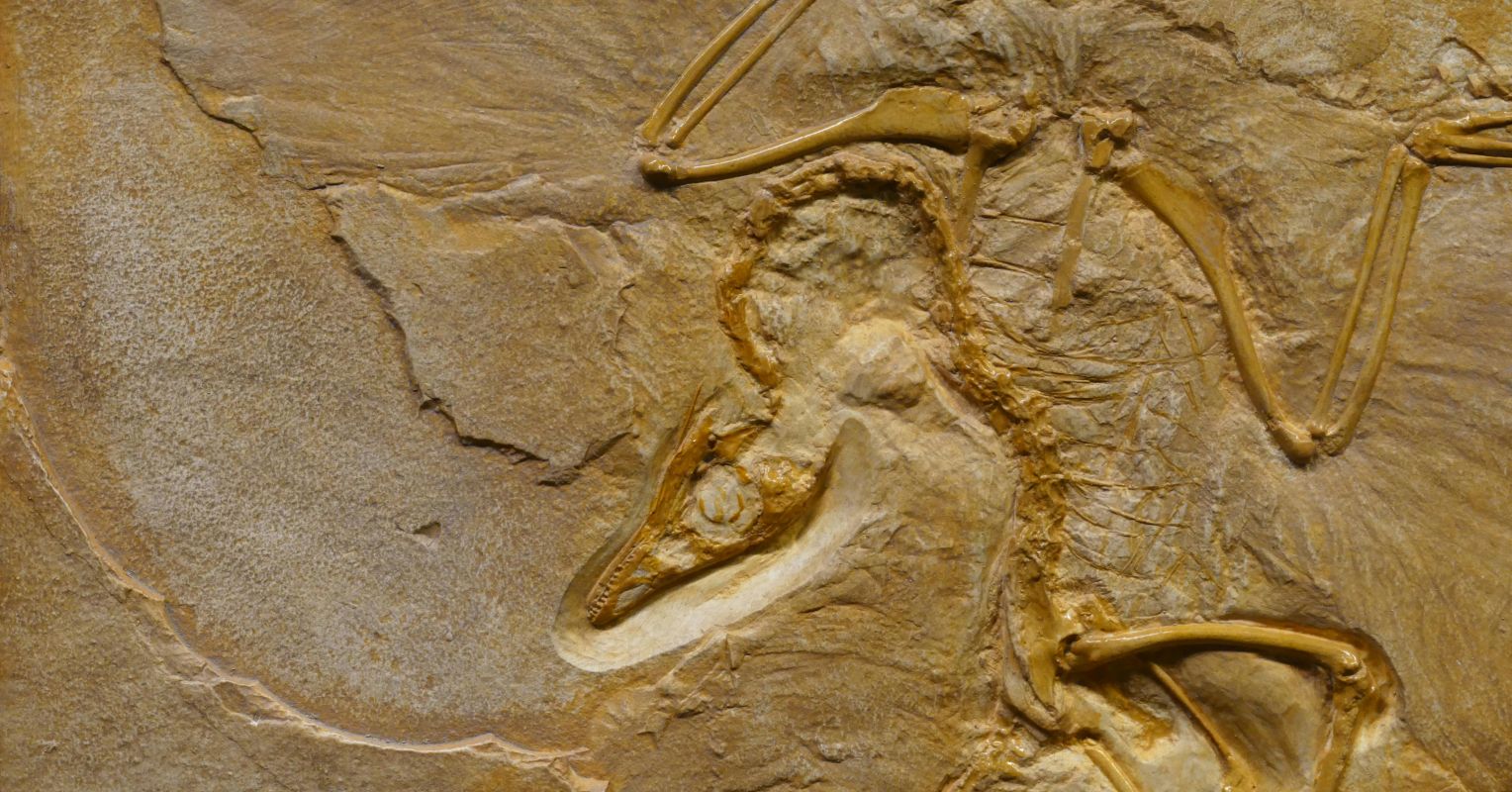
"The imagination that conceived AI. Every architectural decision originated in primate consciousness capable of abstraction, projection, metaphor—the capacity to dream of minds beyond one's own. AI didn't emerge autonomously. A human mind had to conceive it first. In the late '90s, Andy Clark and David Chalmers suggested 'extended cognition.' Our minds carry outside our bodies, in the form of words and writing, for instance."
"Uncertainty tolerance and generative insight. AI resolves ambiguity through probability distributions, selecting most-likely-next-tokens, optimizing toward coherence. Humans live in ambiguity productively, generating insights precisely because we tolerate contradiction without forced resolution. We can exercise Keats' 'negative capability,' capable of being in uncertainty without irritably reaching for fact and reason."
"The more dangerous shift may be if we forget our own humanity in the rush, rather than meeting the challenge as we have other technologies, expanding human psyche and culture in generative ways. AI competes with our generative capacity, a potentially demoralizing circumstance."
As AI capabilities advance, the critical question shifts from whether AI will replace humans to whether humans will replace other humans with AI. The real danger lies not in AI itself but in humanity forgetting its own essence during technological adoption. Classical myths—Frankenstein, the Golem, the Sorcerer's Apprentice—warn of uncontrolled power. However, humans possess irreplaceable capacities that AI fundamentally depends upon: the imagination that conceived AI through abstract thinking and metaphor, and the ability to tolerate ambiguity and generate insights through contradiction. AI resolves ambiguity through probability optimization, while humans thrive within uncertainty, producing creative breakthroughs machines cannot achieve. These distinctly human capabilities remain essential to AI's development and application.
#ai-and-human-irreplaceability #human-creativity-and-imagination #uncertainty-and-generative-thinking #technology-and-human-identity #ai-dependence-on-human-cognition
Read at Psychology Today
Unable to calculate read time
Collection
[
|
...
]