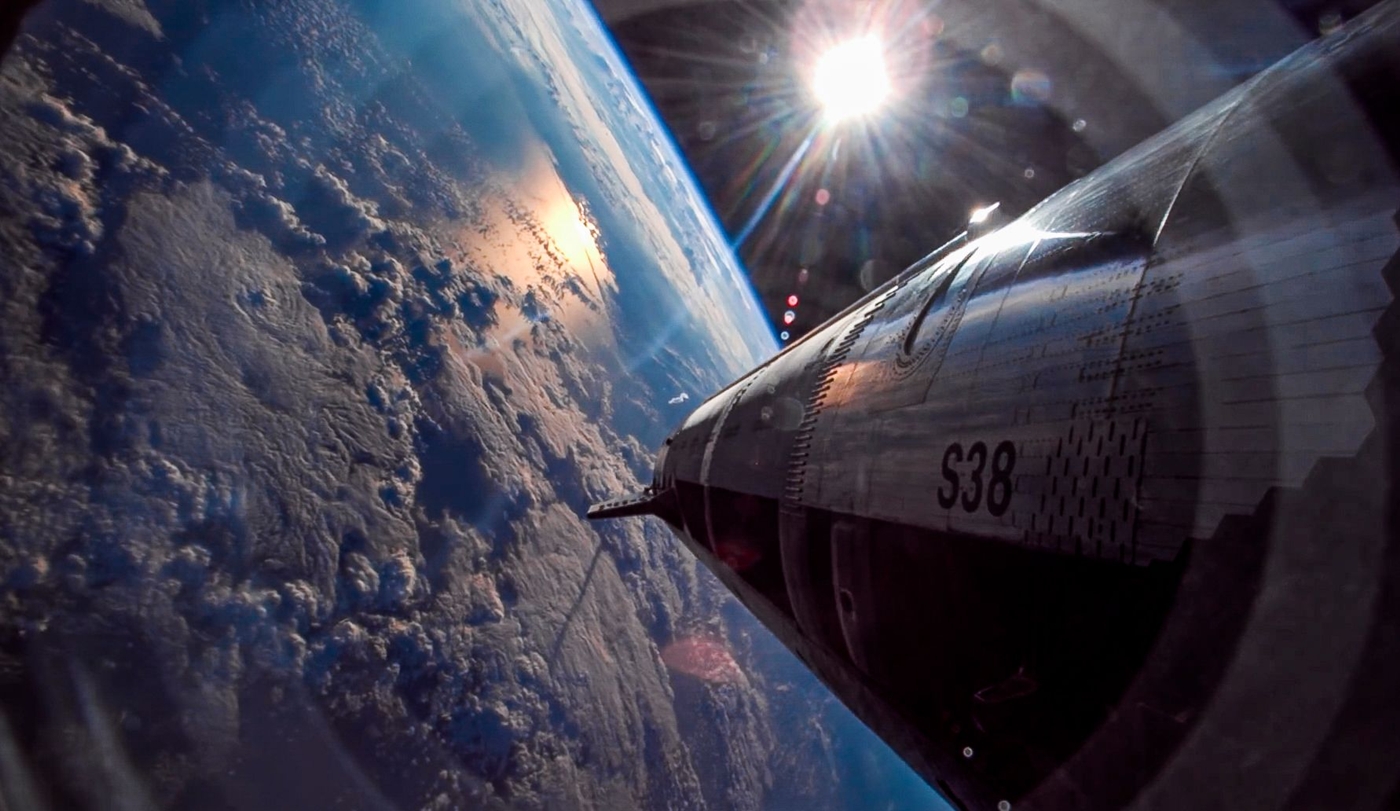
"Following on from the chatter on Jan. 30, SpaceX confirmed in an announcement it has acquired xAI in a move that is pitched as the creation of a vertically integrated innovation engine spanning AI, launch systems, satellite communications, and space-based infrastructure. The combined vision is sweeping: relocate the most resource-intensive parts of AI development off Earth and into orbit, eventually extending humanity's technological footprint throughout the solar system and beyond."
"Supporters of the deal frame it not as an incremental corporate acquisition, but as the beginning of what they call "the next book" in SpaceX and xAI's shared mission. The stated goal is nothing less than to build the infrastructure required to scale intelligence itself, while avoiding the growing constraints faced by terrestrial data centers. Modern AI systems depend on enormous data centers that consume vast amounts of electricity and require complex cooling systems."
"As AI models grow larger and more capable, energy demand is rising rapidly, straining local power grids and raising concerns about environmental impact and competition with residential and industrial electricity needs. Space, by contrast, offers near-constant access to solar energy, minimal cooling requirements, and virtually unlimited room to expand."
SpaceX completed a roughly $1.25 trillion acquisition of xAI to create a vertically integrated engine combining AI, launch systems, satellite communications, and space infrastructure. The plan aims to move the most resource-intensive parts of AI development into orbit, leveraging abundant solar energy, reduced cooling needs, and vast expansion capacity. The effort seeks to avoid terrestrial power grid strain and environmental impacts from ever-larger data centers. Supporters present orbital compute and space-based infrastructure as a long-term path for scaling intelligence beyond the limits of Earth-based facilities.
Read at TechRepublic
Unable to calculate read time
Collection
[
|
...
]