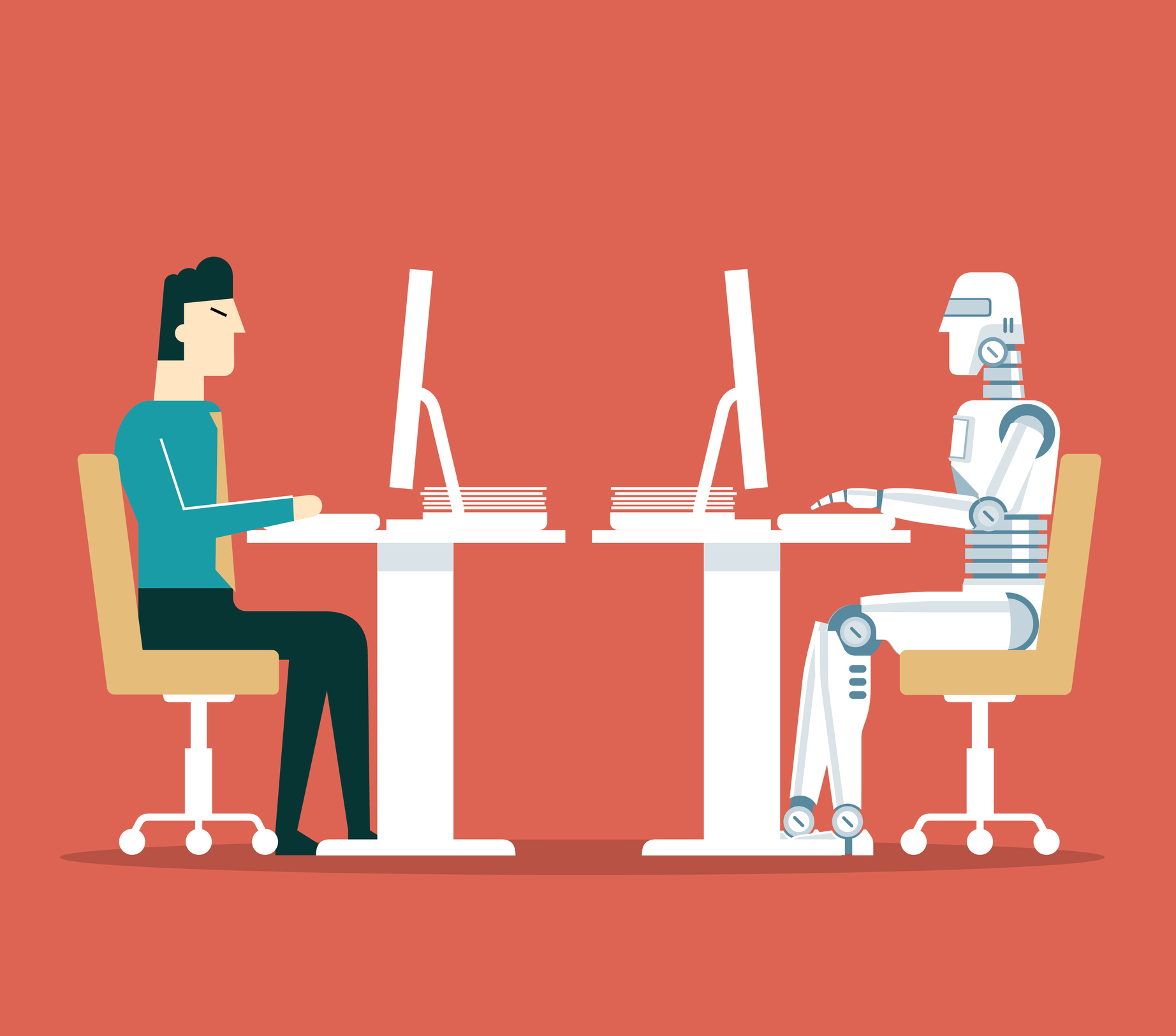
"It sometimes feels as though the legal profession's primary engagement with AI so far involves lawyers citing fake cases generated by ChatGPT and getting hauled before judges to explain themselves. And with global legal hallucination incidents closing in on 1000 cases, that's an understandable reaction. Everyone gets a good laugh and the always vocal Luddite contingent of the bar feels vindicated."
"But focusing on AI's limitations as a consistently reliable brief writer is like rejecting a grill because you don't like hot dogs. Which isn't a knock on what AI can bring as a research and drafting tool - or hot dogs for that matter - but the technology can do other things! Some of which carry obvious value for lawyers and aren't impacted by hallucinations at all."
"No one wants to turn over a "live ammunition" deposition to a neophyte lawyer. But how does a neophyte learn to take a deposition without experience. Intensive practical simulations with copious levels of senior attorney feedback provide the best - and, historically, only - training model. Maybe the firm puts it together on-site. Maybe they send attorneys to an off-site camp like NITA. Meanwhile, law students should consider opportunities like the ML Advocacy Academy for these experiences."
"One that AI can now address. AltaClaro has taken its experience building training tools for lawyers, and the captioning and transcription talents of Verbit.ai and launched DepoSim, harnessing AI to construct a deposition simulator. Artificial intelligence takes on the roles of deponent, opposing counsel, and court reporter in a vetted simulation. Armed with a closed universe of documentary evidence, users can ask questions, mark exhibits, and navigate objections while the AI"
AI-generated legal hallucinations have produced many embarrassing incidents, but focusing solely on those errors overlooks other valuable applications. AI can augment lawyer training by providing intensive, repeatable deposition simulations that replicate roles such as deponent, opposing counsel, and court reporter. Such simulators use a closed universe of documentary evidence so users can practice asking questions, marking exhibits, and navigating objections without exposing live matters to risk. Firms and law schools gain scalable training that reduces logistical barriers, lost billable time, and reliance on hired actors or off-site programs while delivering senior-attorney-level feedback through iterative practice.
Read at Above the Law
Unable to calculate read time
Collection
[
|
...
]