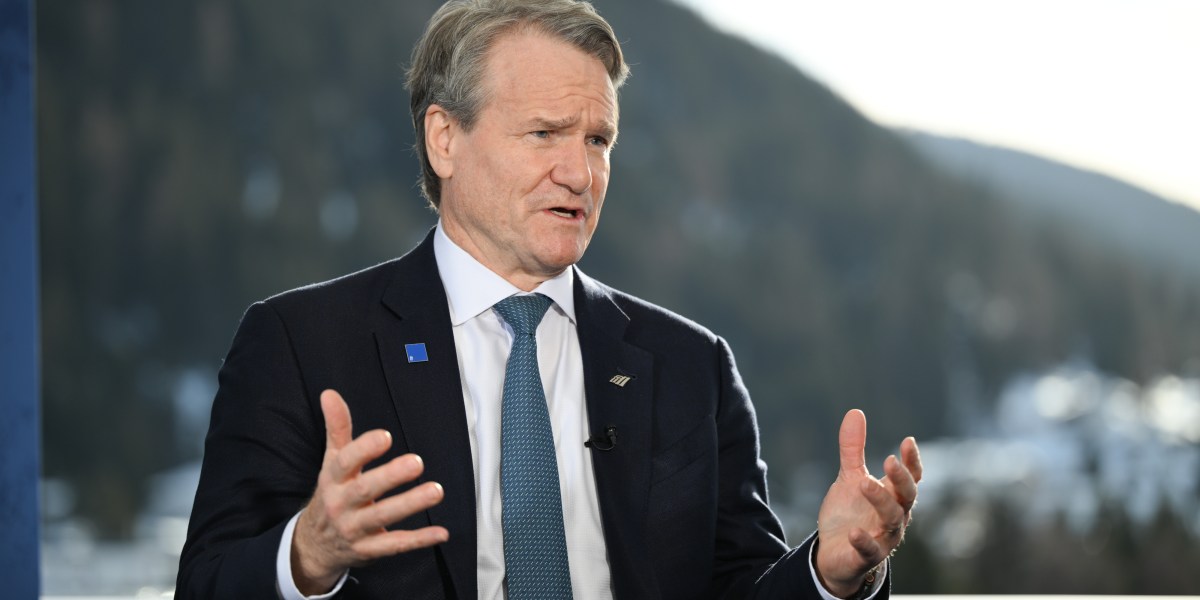
""The example I use-and whether it will be now or not, we'll find out in the future-is in 1969, there were 80 million people working in the United States. In 2019, there were 160 million people. Think about the amount of technology that applied in America from that time, to 2019. "People wrote ... in 1969 that there would be no managers left in business because the computer itself would eliminate the need for managers, because they just moved information."
"And we were told in 1969, there was going to be no manufacturing left in the U.S., there was going to be no jobs left, the computers were going to take it away, that Japan was going to take over. You go through all that stuff, and then we doubled the amount of people who worked in the United States in 50 year"
Concerns exist that artificial intelligence could significantly reduce jobs, with figures such as Fed chairman Jerome Powell monitoring the impact, Anthropic CEO Dario Amodei predicting elimination of about 50% of entry-level white-collar jobs, and Geoffrey Hinton warning of massive unemployment. A Pew Research study found roughly half of workers (52%) feel worried about AI's workplace impact and 32% expect fewer long-term job opportunities. Bank of America CEO Brian Moynihan argues historical technological shifts did not collapse employment, noting U.S. employment rose from 80 million in 1969 to 160 million in 2019. Moynihan emphasizes that fears of eliminated managers and manufacturing proved unfounded and suggests labor markets can adapt.
#ai-job-displacement #workforce-adaptation #historical-employment-trends #banking-industry-leadership
Read at Fortune
Unable to calculate read time
Collection
[
|
...
]