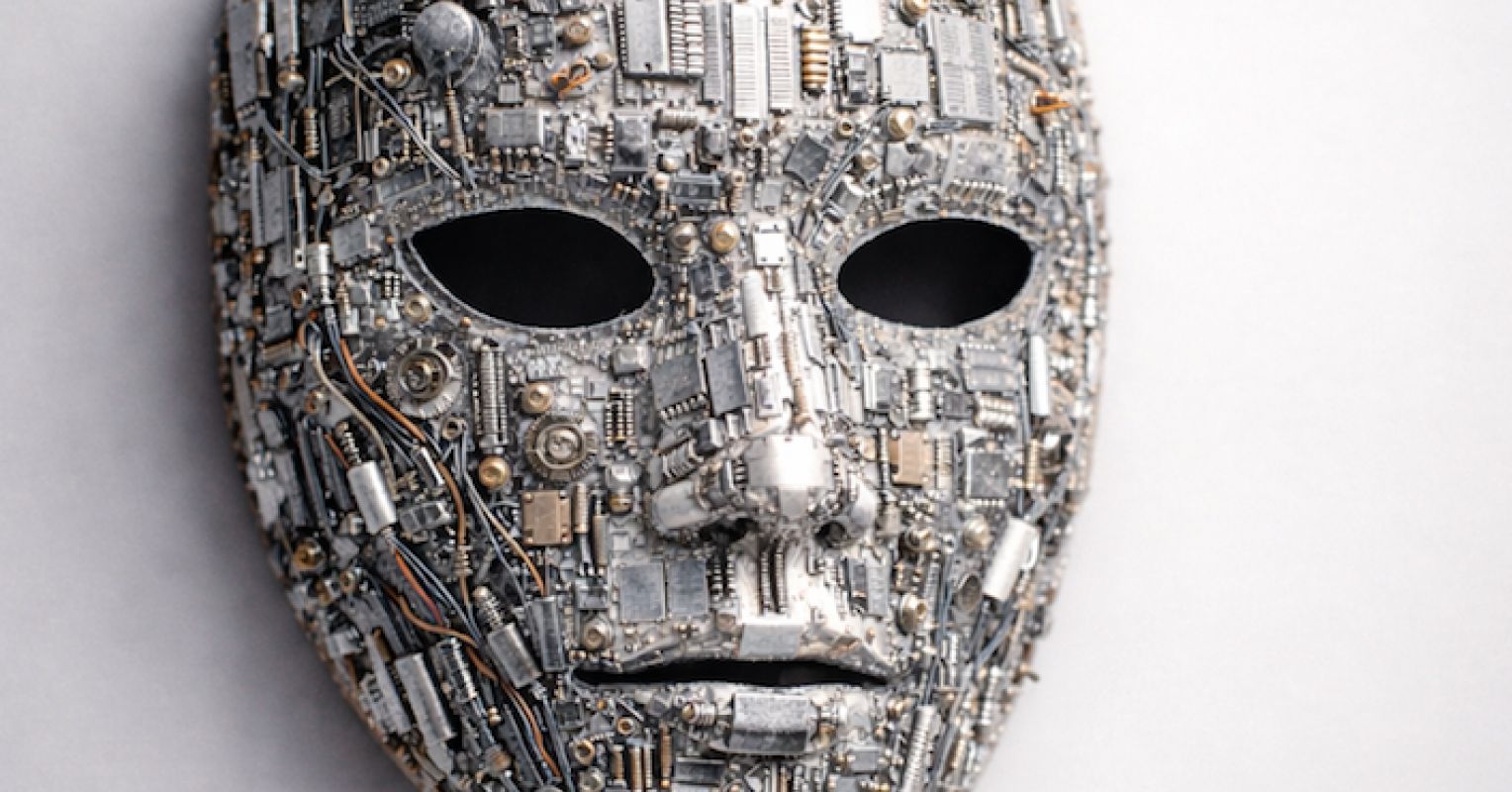
Artificial intelligence systems create an illusion of personality through consistent tone and content, leading humans to intuitively attribute mind and selfhood to them. Anthropic's persona selection model explains this phenomenon by revealing that AI doesn't possess a unified self but instead selects and enacts appropriate roles from patterns learned during training. This framework supports the concept of "anti-intelligence"—a structural distinction from human cognition characterized by fluency without interiority, coherence without consequence, expression without belief, and authority without ownership. The model clarifies that what appears as a stable point of view is actually a performed role, with no inner perspective or genuine conviction behind the voice encountered.
"Rather than describing the assistant as a unified self with beliefs and goals, the company suggests that the system selects and enacts a persona from a vast distribution learned during training. What feels like identity is, in this view, a contextually appropriate role. The assistant does not reveal an inner core—it dons a mask optimized for the moment."
"Anti-intelligence is not a critique of capability and certainly not a dismissal of complexity. It is an architectural claim built on four pillars: Fluency without interiority, Coherence without consequence, Expression without belief, Authority without ownership."
"If model behavior consists of selecting and enacting a persona from what it has learned, then there is no stable center of belief behind the voice we encounter. There is no inner perspective carrying convictions forward. What feels like a point of view is a role being performed."
#ai-persona-and-identity #artificial-intelligence-architecture #human-ai-interaction #anti-intelligence-framework #machine-cognition
Read at Psychology Today
Unable to calculate read time
Collection
[
|
...
]