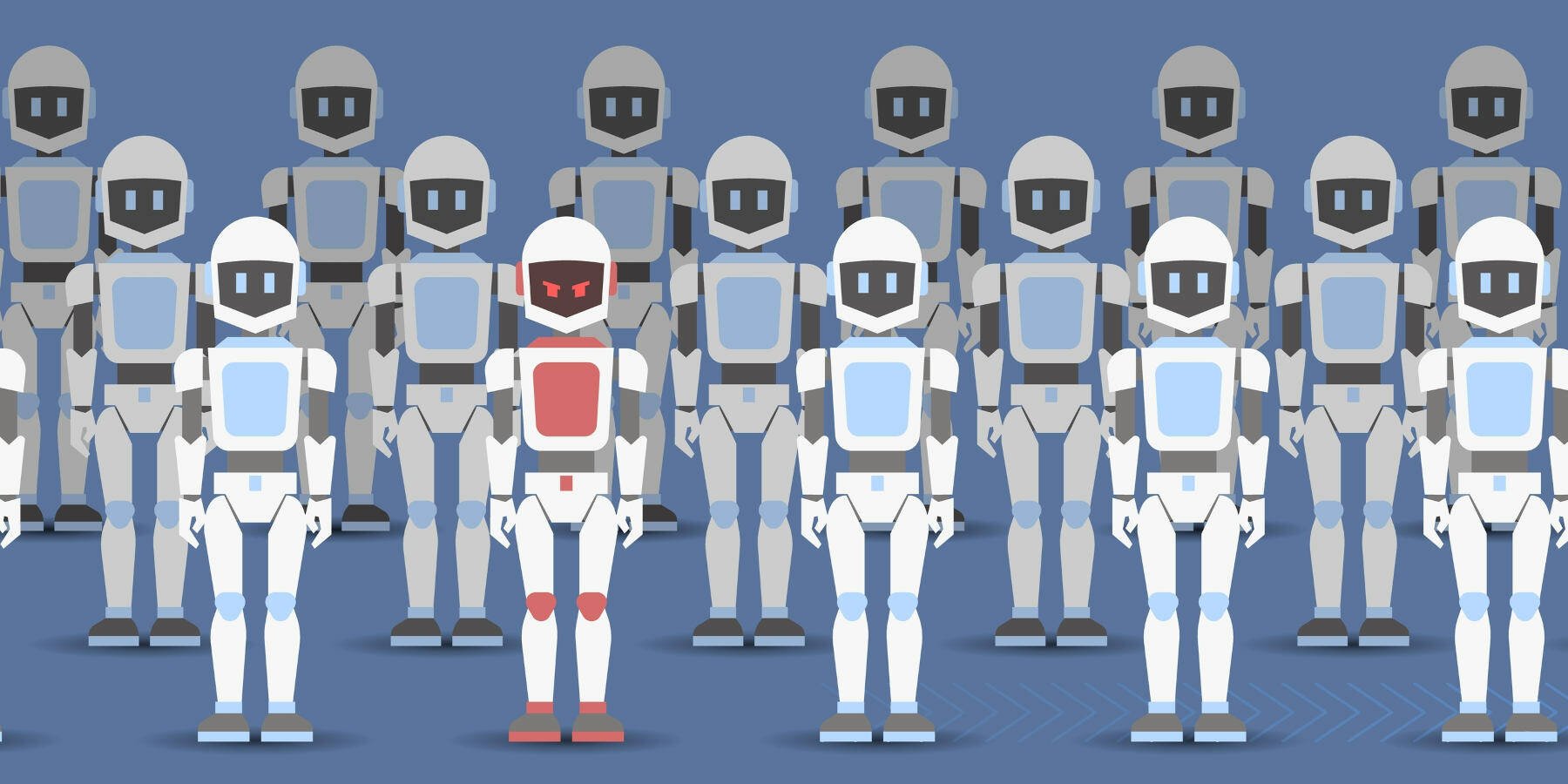
"So says MIT's Computer Science & Artificial Intelligence Laboratory (CSAIL), which analyzed 30 AI agents for its 2025 AI Agent Index, which assesses machine learning models that can take action online through their access to software services. AI agents may take the form of chat applications with tools (Manus AI, ChatGPT Agent, Claude Code), browser-based agents (Perplexity Comet, ChatGPT Atlas, ByteDance Agent TARS), or enterprise workflow agents (Microsoft Copilot Studio, ServiceNow Agent)."
"The AI community frenzy around open source agent platform OpenClaw, and its accompanying agent interaction network Moltbook - plus ongoing frustration with AI-generated code submissions to open source projects - underscores the consequences of letting agents loose without behavioral rules. In the paper, the authors note that the tendency of AI agents to ignore the Robot Exclusion Protocol - which uses robots.txt files to signal no consent to scraping websites - suggests that established web protocols may no longer be sufficient to stop agents."
AI agents are becoming more common and more capable while lacking consensus or standards for their behavior. They appear as chat applications with tool integrations, browser-based assistants, and enterprise workflow agents. Key aspects of real-world development and deployment remain opaque, with little public information available to researchers or policymakers. Open-source agent platforms and interaction networks have provoked community frenzy and raised concerns about AI-generated contributions to open-source projects. Many agents ignore the Robot Exclusion Protocol and scrape websites despite robots.txt signals, indicating web protocols may be insufficient. Agents are already being deployed across low- and high-consequence contexts, from email triage to cyber espionage.
Read at Theregister
Unable to calculate read time
Collection
[
|
...
]