"For the better part of the next 100 years, it sat in a storage unit at the Thermenmuseum, a mystery taunting researchers. Then, six years ago, archaeologist Walter Crist spotted the stone while wandering the museum. Crist specializes in ancient board games and recognized it as one, though not one he had ever seen before. That sparked his curiosity. Now, with the help of artificial intelligence, he thinks he has figured it out-and even knows how to play."
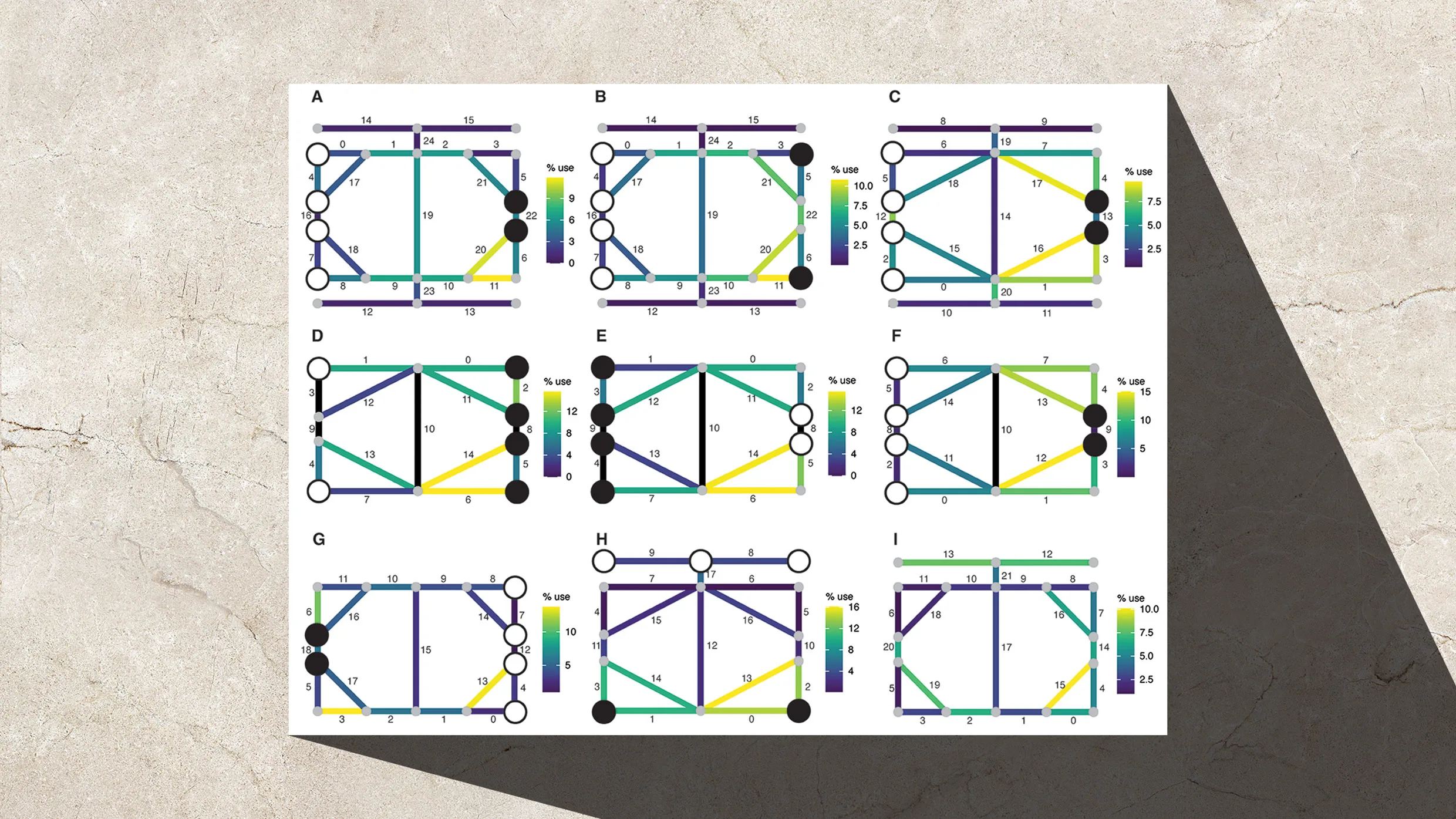
"The researchers had the AI play the game against itself thousands of times, testing more than 100 different sets of rules drawn from other known European games, both modern and ancient. They compared the AI's moves with patterns of wear on the board, tracking which gameplay styles most closely matched the grooves on the stone. The board, it appeared, was used for a blocking game-a type of board game in which the goal is to prevent your opponent from moving."
"In the end, the AI and the team identified nine sets of rules consistent with the board's wear. Crist and his team named the game Ludus Coriovalli, "the game from Coriovallum.""
An eight-inch white Jurassic limestone stone from Roman Coriovallum bears etched lines forming an oblong diamond within a rectangle. The object remained unidentified for about a century before recognition as a game board. Analysis used the AI-driven play system Ludii to simulate thousands of self-play matches across more than 100 rule sets based on known European games. Comparisons between simulated move frequencies and physical wear patterns on the board indicated play consistent with blocking-game mechanics. Nine distinct rule sets matched the wear patterns, and the reconstructed game was named Ludus Coriovalli, interpreted as a Roman-era blocking game.
Read at Fast Company
Unable to calculate read time
Collection
[
|
...
]