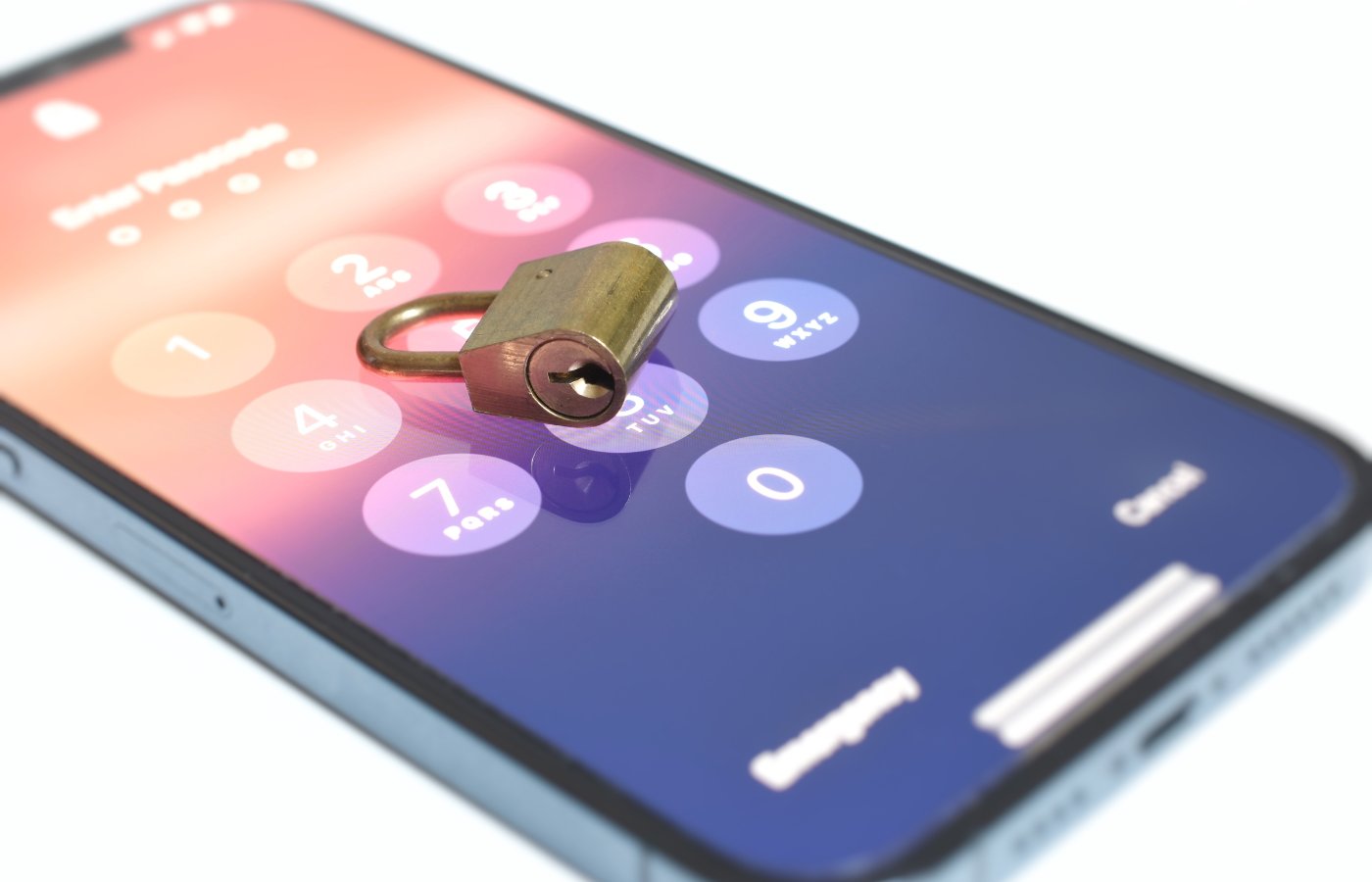
Apple is testing an iPhone anti-snatching feature that locks stolen devices after detecting theft. The system uses multiple signals, including sudden accelerometer changes and abrupt speed changes, to identify snatching patterns such as those involving electric bikes and mopeds. After determining the device has been snatched, it locks the phone. Once locked, Apple’s security system continues monitoring by tracking the iPhone’s distance from a paired Apple Watch, with potential support for other Apple devices. It also considers familiar Wi‑Fi connections or locations, similar to Stolen Device Protection. The goal is to improve protection for iPhones, which are targeted more aggressively in city centers, and to counter follow-up phishing and account compromise attempts.
"Apple is reportedly testing an iPhone anti-snatching feature that would lock stolen devices using motion signals and checks for familiar locations. Apple appears to be taking a leaf out of Android's book with a new feature that locks an iPhone as soon as it detects it has been snatched. The detection lock will use several signals to identify whether the iPhone has been stolen. A sudden change in the accelerometer will be one indication, alongside sudden changes in speed, as many devices are stolen by thieves on electric bikes and mopeds."
"Once it has determined the device has been snatched, it will lock the phone. Once a lock has been placed on the device, Apple's security system will continue to monitor the iPhone's activity by tracking its distance from a paired Apple Watch. Other Apple devices may be included when the feature officially launches. It will also take into account a familiar Wi-Fi connection or location, similar to the current Stolen Device Protection feature."
"Thieves often look for victims who are talking on their device or actively looking at it, indicating that the phone is unlocked. From there, they can not only access any apps not locked by Face ID or other 2FA authenticators, but can also send the victim follow-up phishing scams and ransom texts to gain access to their Apple ID credentials. Contact details of friends and social media apps can also be pilfered for use in phishing scams or sold on the dark web."
Read at TechRepublic
Unable to calculate read time
Collection
[
|
...
]