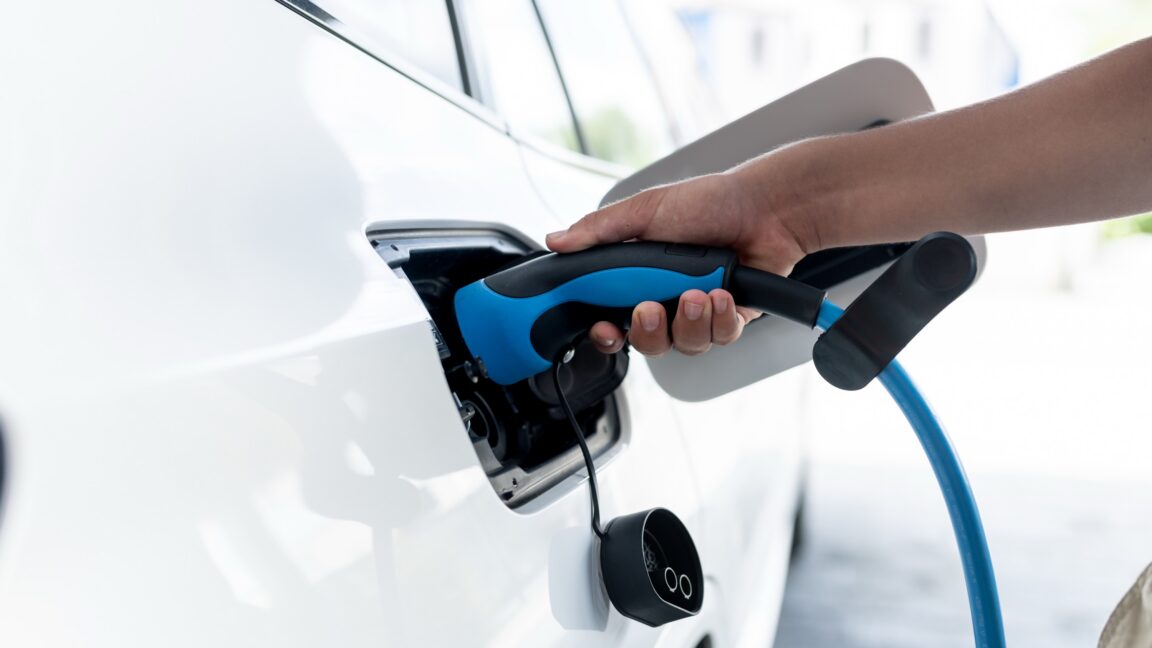
Plug-in hybrid powertrains combine a combustion engine and fuel tank for long trips with an electric motor and a battery sized for most or all daily driving range, but only when the vehicle is plugged in. A common claim says plug-in hybrid owners do not plug in their cars, leading to reduced electric driving and weaker efficiency compared with parallel hybrids, especially when the PHEV battery is empty. Another view suggests incentives may lead buyers to choose batteries that are too large. New evidence from Toyota Research Institute North America analyzes anonymized data from more than 6,000 RAV4 Prime and Lexus NX 450h+ vehicles from model years 2021–2024, with results described as encouraging.
"Plug-in hybrid powertrains were developed to be the best of both worlds: a combustion engine and fuel tank that can handle those longer journeys exactly the same as a non-hybrid car, with an electric motor and a battery large enough for most or all of someone's daily driving range. But only if you plug it in."
"Instead, they were seduced into buying a car with far too big a battery, no doubt as a result of generous incentives, the theory goes. And if those drivers aren't going to plug in and therefore enjoy at least some entirely electric driving, they should have bought a parallel hybrid instead, which often delivers better efficiency than a PHEV with an empty battery, at a significantly lower price."
"But what if that take is wrong? As it turns out, there's some more evidence that PHEV drivers do in fact plug in their plug-ins, and the latest data point is from one of the most prolific PHEV pushers: Toyota. In the past, Toyota has declined to provide numbers when asked by journalists about the frequency of PHEV plugging."
"But a pair of researchers at Toyota Research Institute North America have now crunched some data, and, after looking at anonymized data from more than 6,000 RAV4 Prime and Lexus NX 450h+ (between model years 2021-2024), the results are encouraging."
Read at Ars Technica
Unable to calculate read time
Collection
[
|
...
]