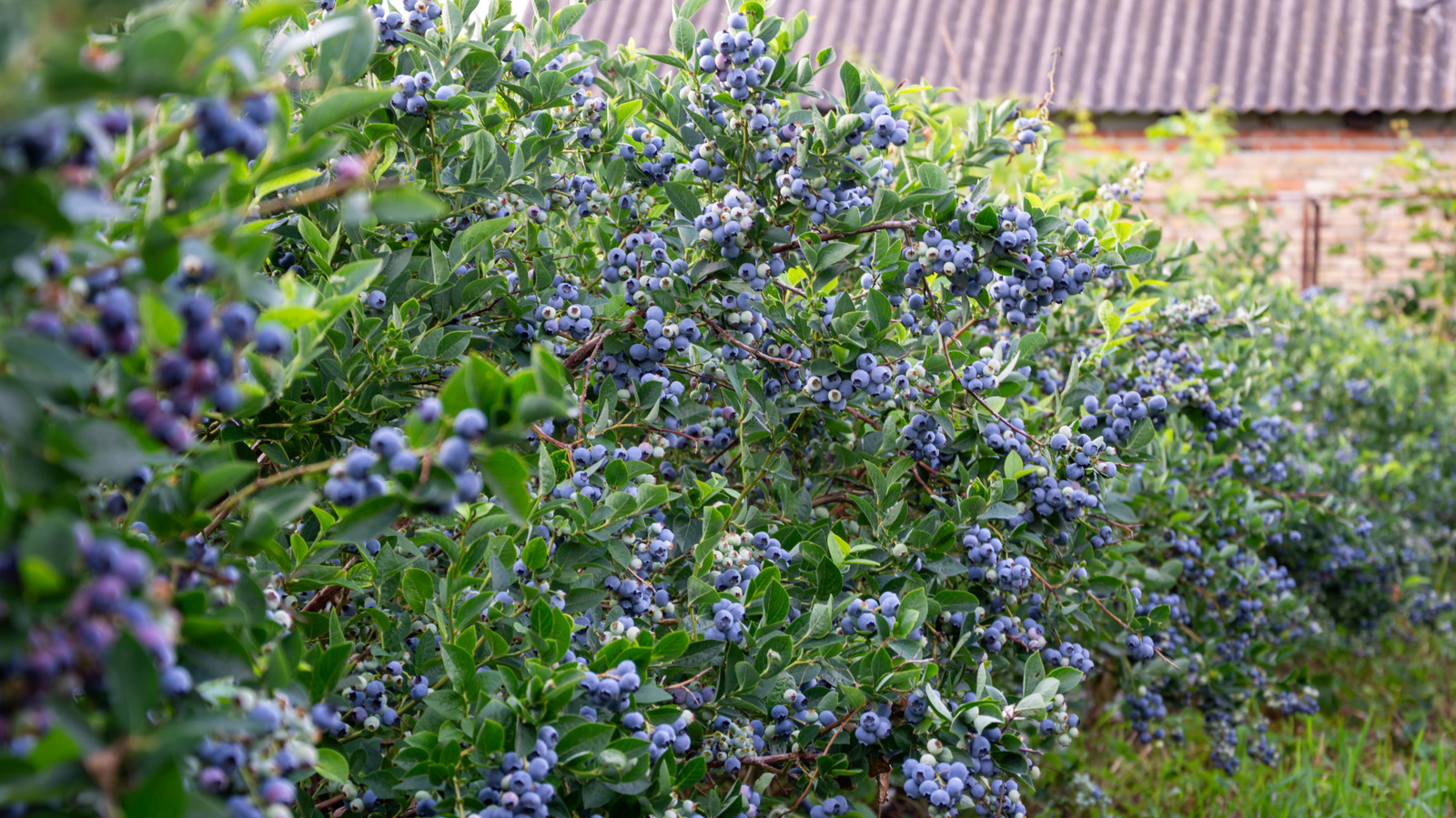
"To maximize fruit yield and maintain the health of the bush, it's important to prune it annually to remove dead wood. Proper pruning at the right time can boost air circulation, which reduces the risk of disease and improves plant health and structure."
"If you prune the bush too early, such as in late fall or early winter, you can actually increase the bush's vulnerability to winter damage. The pruning process stimulates new growth, but if you live in an area that is still susceptible to overnight frosts or freezes, that new growth can immediately die off."
"The ideal pruning time depends on your local climate. In warm or southern regions, you should prune the bushes in January or February. In colder northern regions, you should wait until late winter or early spring, pruning by March or once the coldest winter weather has passed."
"To prune your blueberry bushes, you will need sharp loppers as well as smaller hand pruners. Start by identifying strong branches with healthy flower buds. Remove any thin pieces of wood that are too weak to bear fruit, as well as older branches that are damaged or weak."
Growing blueberry bushes at home provides fresh, organic blueberries rich in antioxidants. Annual pruning is essential for removing dead wood and maximizing fruit yield. Proper timing for pruning, ideally between late winter and early spring, boosts air circulation, reduces disease risk, and encourages new growth. Pruning too early can lead to winter damage. The ideal timing varies by climate, with southern regions pruning in January or February and northern regions by March. Using sharp tools, focus on strong branches while removing weak or damaged ones to maintain bush health.
Read at Tasting Table
Unable to calculate read time
Collection
[
|
...
]