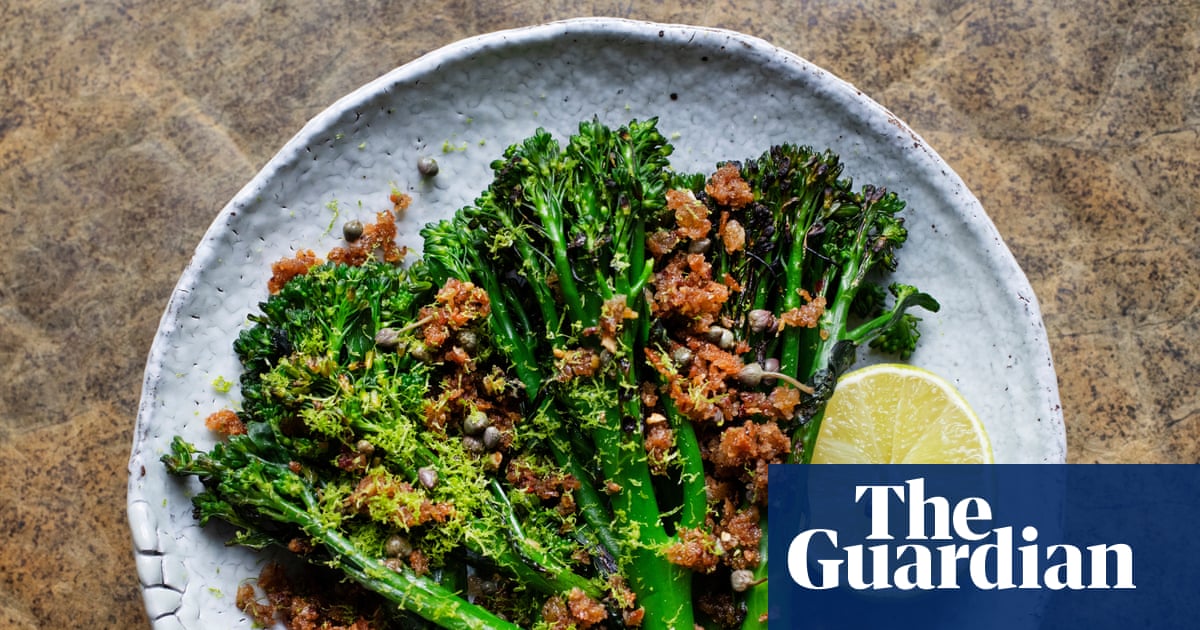
"The heme iron you get from animal sources red meat and darker poultry, say is in a form that's slightly better absorbed than non-heme iron, which is found in the likes of beans, tofu and leafy greens, says Dominique Ludwig, nutritionist and author of No-Nonsense Nutrition. This is where vitamin C is your friend: When we eat non-heme iron and vitamin C together, it increases absorption, so it might be a case for having peppers or tomatoes with your tofu."
"On a vegetarian diet, some of that iron can be blocked from absorption because of things such as phytates [a plant compound found in whole grains, legumes, etc], or tannins in tea and dairy, Ludwig adds, so it's not simply about how much iron you're getting, but how good your absorption is. Women aged 19-49 should aim for 14.8mg iron a day, but after menopause that drops to about 8.7mg, which falls in line with men's requirements, Ludwig says."
"If you're vegetarian, then, you can't just be having pesto pasta, you need to be eating beans, lentils, nuts, seeds, soy products, and leafy greens, too. Tofu can have 3-5mg iron per 100g, cooked lentils 3-4mg, chickpeas 2-3mg, cashews 6-7mg and sesame seeds 14-15mg. So, much like getting dressed, layering is important."
"Oats in the morning are a no-brainer: A 40g serving will give you 2mg iron, so have them with milled flaxseed and berries for the vitamin C, Ludwig advises. The same principle applies to the likes of a tofu scramble: Throw in some kale and tomatoes [again, for the vitamin C] and serve it with wholemeal bread, and y"
Almost one in three women attending UK clinics have iron deficiency. Non-heme iron from beans, tofu, and leafy greens is absorbed less efficiently than heme iron from red meat and darker poultry. Vitamin C increases absorption of non-heme iron, so pairing foods like peppers or tomatoes with tofu can help. Absorption can also be reduced by phytates in whole grains and legumes and by tannins in tea and dairy, so intake quality matters. Women aged 19–49 need 14.8 mg iron daily, dropping to about 8.7 mg after menopause. Vegetarian diets should include beans, lentils, nuts, seeds, soy products, and leafy greens, with examples like lentils, chickpeas, cashews, sesame seeds, and iron-fortified pairings such as oats with flaxseed and berries.
#iron-deficiency #vegetarian-nutrition #non-heme-iron-absorption #vitamin-c-pairing #dietary-inhibitors-phytatestannins
Read at www.theguardian.com
Unable to calculate read time
Collection
[
|
...
]