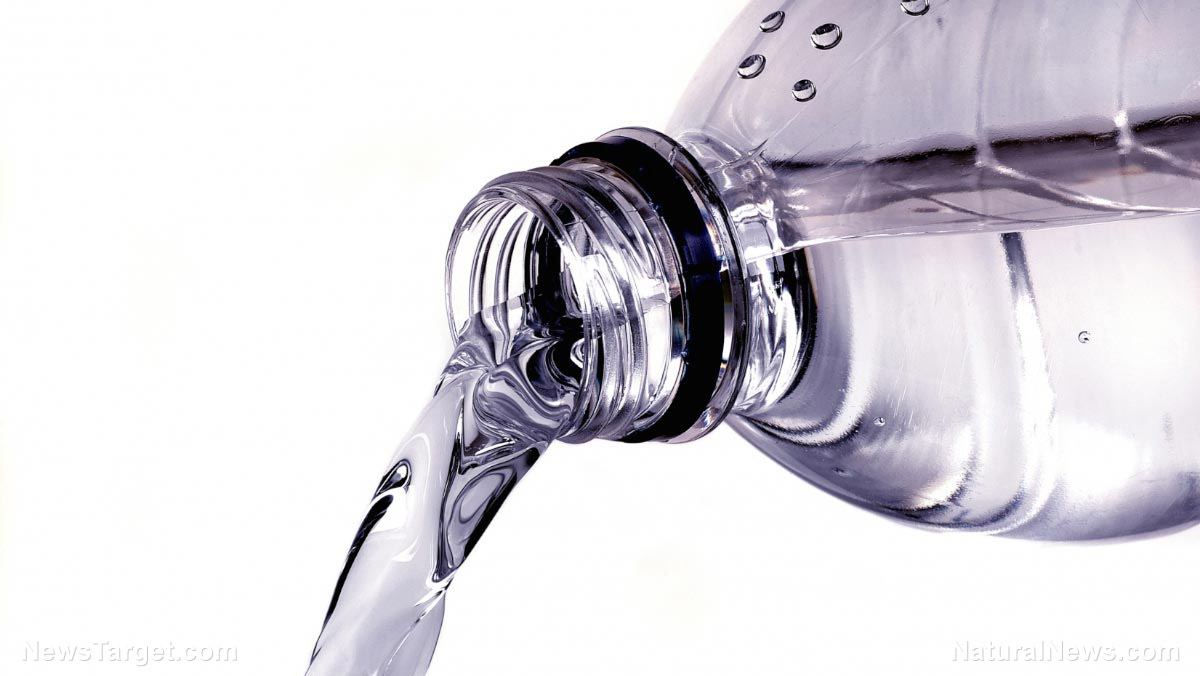
"Researchers from Columbia and Rutgers universities, publishing their findings in Proceedings of the National Academy of Sciences, used advanced laser microscopy to detect nanoplastics so small they evade conventional detection methods. The study analyzed five samples from three popular bottled water brands and found plastic particle counts ranging from 110,000 to 400,000 per liter, averaging around 240,000."
"Unlike larger microplastics-fragments between five millimeters and one micrometer-nanoplastics measure less than a micrometer, making them small enough to infiltrate human cells. The study reported that for every liter tested, 90% of the detected plastic particles consisted of nanoplastics, while the remaining 10% were microplastics."
"Lead author Naixin Qian, a Columbia physical chemist, explained that nanoplastics are shed continuously-similar to how skin cells flake off-meaning every time a bottle is opened or squeezed, more particles disperse into the water. Much of the contamination appears to originate from the bottles themselves and the reverse osmosis filters used in purification."
A study by Columbia and Rutgers universities using advanced laser microscopy discovered that bottled water contains far more plastic particles than previously known. Analysis of five samples from three popular brands revealed plastic particle counts ranging from 110,000 to 400,000 per liter, averaging 240,000. Nanoplastics, measuring less than one micrometer, comprise 90% of detected particles and are small enough to infiltrate human cells. The contamination originates primarily from polyethylene terephthalate (PET) used in water bottles and polyamide found in reverse osmosis filtration systems. Nanoplastics are continuously shed from bottles during opening and squeezing. Other plastics detected include polystyrene, polyvinyl chloride, and polymethyl methacrylate. Health implications of nanoplastic ingestion remain unclear but warrant investigation.
#nanoplastics-in-bottled-water #plastic-pollution #health-risks #water-contamination #microplastic-detection
Read at Natural Health News
Unable to calculate read time
Collection
[
|
...
]