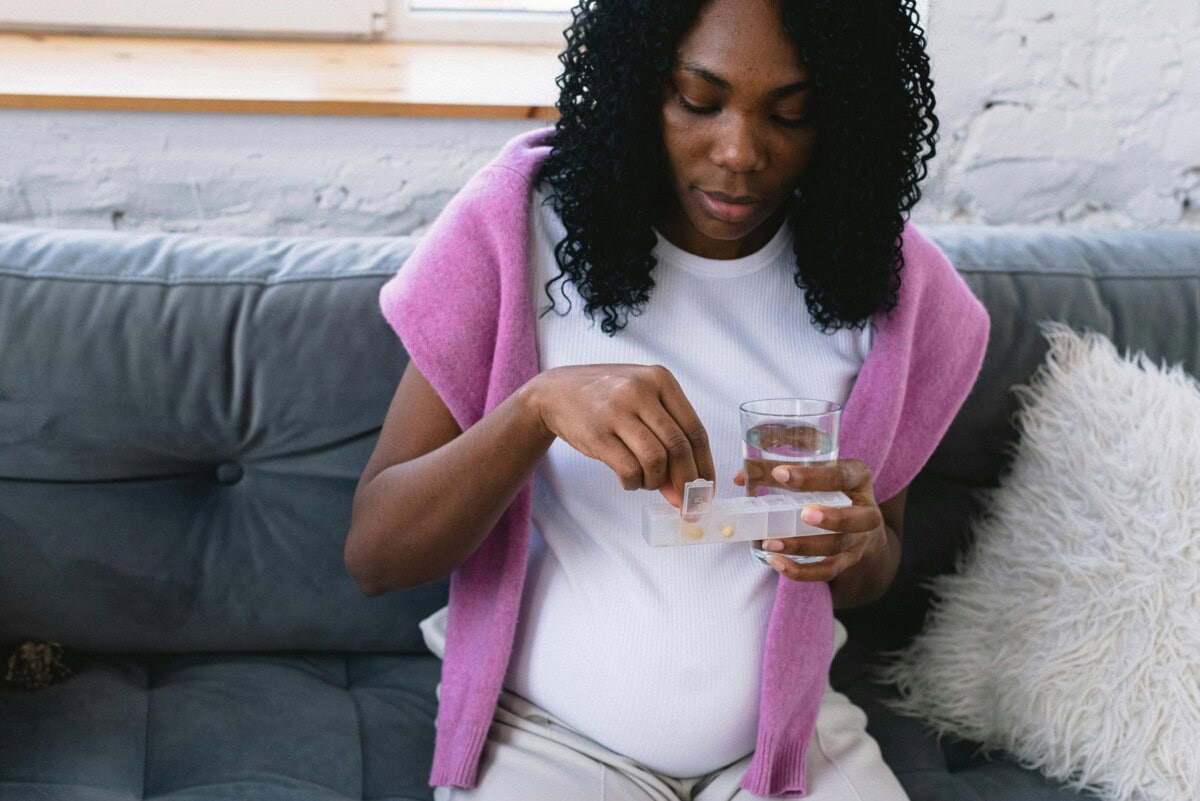
A prenatal vitamin is a dietary supplement formulated to support nutritional needs before, during, and after pregnancy. Prenatals differ from standard multivitamins by providing increased amounts of nutrients needed for fertility, fetal development, maternal health, and postpartum recovery. Key nutrients include folate or folic acid, iron, choline, DHA and omega-3 fatty acids, calcium, iodine, vitamin D, magnesium, and zinc. Many formulas also include nutrients aimed at hormone balance, egg quality, energy production, and healthy fetal brain and spinal cord development. Prenatal vitamins come in capsules, softgels, gummies, powders, and drink mixes. Nutrient form, ingredient quality, and testing standards matter when choosing a prenatal because pregnancy increases nutritional demands substantially, including increased blood volume and support for hormone production and placental development.
"A prenatal vitamin is a dietary supplement specifically formulated to support a woman's nutritional needs before, during, and after pregnancy. Unlike a standard multivitamin, prenatals contain increased amounts of critical nutrients needed to support fertility, fetal development, maternal health, and postpartum recovery."
"The best prenatal vitamins are designed around nutrients that play a direct role in pregnancy, including: Folate or folic acid Iron Choline DHA and omega-3 fatty acids Calcium Iodine Vitamin D Magnesium Zinc Many prenatals also include nutrients that support hormone balance, egg quality, energy production, and healthy fetal brain and spinal cord development."
"Prenatal vitamins are available in several forms, including: Capsules Softgels Gummies Powders Drink mixes While they are widely recommended by OB/GYNs and fertility specialists, not every prenatal formula is created equally which is why ingredient quality, nutrient forms, and testing standards matter so much when choosing the right one."
"Pregnancy dramatically increases the body's nutritional demands. Maternal blood volume alone increases by nearly 45%, while the body simultaneously supports hormone production, placental development, and the growth of an entirely new human. Even women eating extremely healthy diets can struggle to consistently get enough of certain nutrients through food alone, especially folate, iron, choline, and DHA."
#prenatal-nutrition #fertility-support #key-vitamins-and-minerals #omega-3-and-dha #pregnancy-health
Read at dailymom.com
Unable to calculate read time
Collection
[
|
...
]