"The ruling asked farmers to shift their sowing cycle ahead, but that moved sowing too close to the previous cycle. The shift didn't leave enough time for farmers to clear out their stubble like they used to, so they started burning it instead,"
"A lot of people don't know the history; all they see are farmers burning stubble and causing pollution. However, when you look at the whole system, you see that it was not always an issue in North India. It emerged as an unexpected consequence, trying to solve something else,"
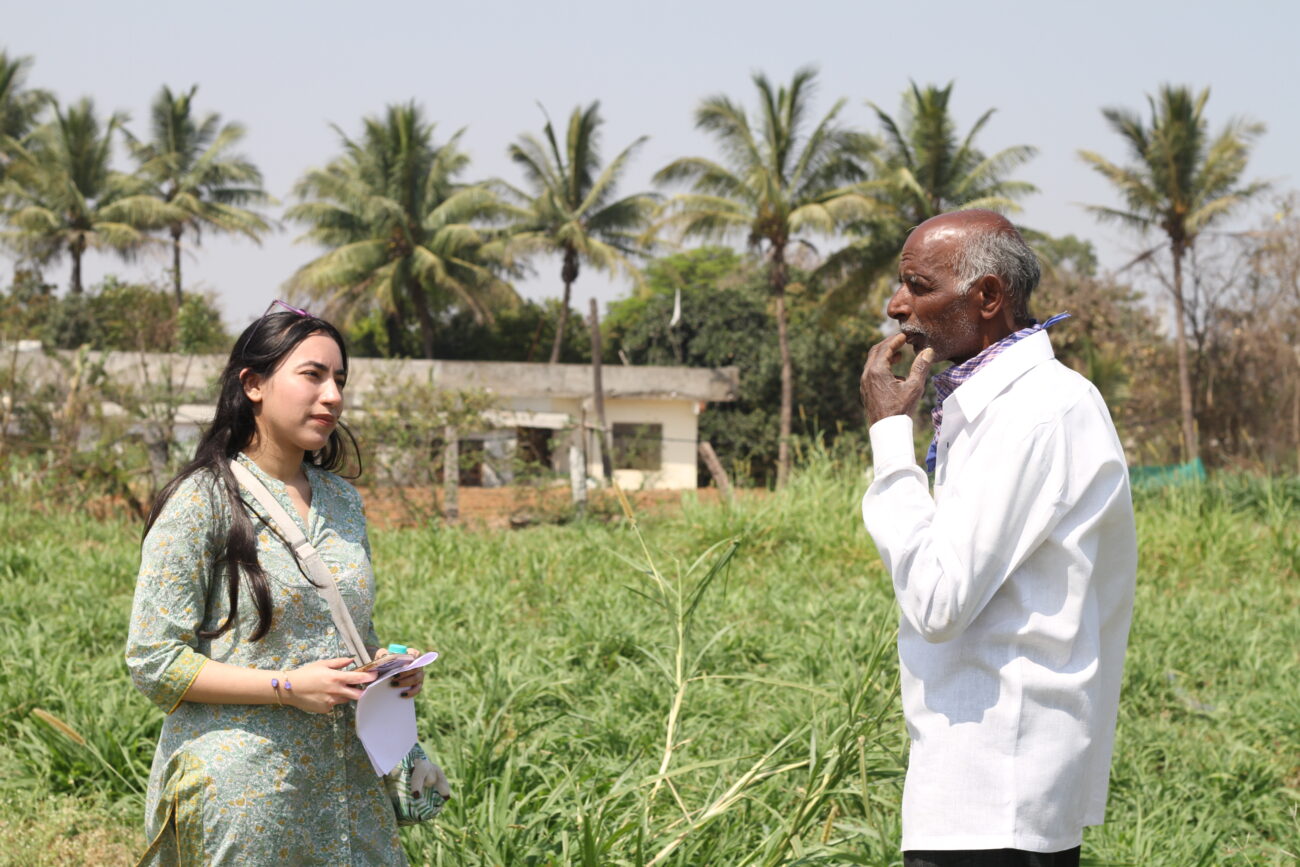
Over half of India's population relies on agriculture for livelihood. Stuti Banga worked on integrating technology into farming to increase yield and livelihoods through Lenovo's Work for Humankind Initiative and with the government of India. Banga enrolled in the M.P.A. in Development Practice at Columbia's School of International and Public Affairs to learn systems-level change-making. She observed that many farmer challenges are intertwined and that interventions can create unintended consequences. One example is stubble burning: a policy to reduce groundwater use shifted sowing cycles, leaving insufficient time to clear stubble and prompting burning that contributes to seasonal air pollution. Banga adopted interdisciplinary and data-informed approaches to understand system-wide effects.
Read at State of the Planet
Unable to calculate read time
Collection
[
|
...
]